How has Union Budget’s presentation changed over the years, from a briefcase to a tablet?
The Union Budget, presented by the Finance Minister of India, is one of the most anticipated events in the country’s economic calendar. Over the years, the presentation of the Budget has undergone significant changes, reflecting the evolving times and technological advancements. From the traditional briefcase to a cloth-wrapped ‘bahi khata’ and finally to a Made-in-India tablet, the mode of presentation has transformed, symbolizing the country’s transition towards a digital economy.
One of the earliest changes in the presentation of the Union Budget was the shift in the date of presentation. Until 2017, the Budget was presented on the last day of February. However, in 2017, the date was advanced to February 1, allowing the government to implement the Budget proposals from the beginning of the financial year. This change was aimed at enabling the government to complete the legislative process for the Budget before the start of the new financial year.
Another significant change was introduced in 1999, when the presentation time of the Budget was changed from 5:00 pm to 11:00 am. This change was made to ensure that the Budget proposals were announced at the beginning of the day, allowing the stock markets and the business community to react to the announcements in a more timely and efficient manner.
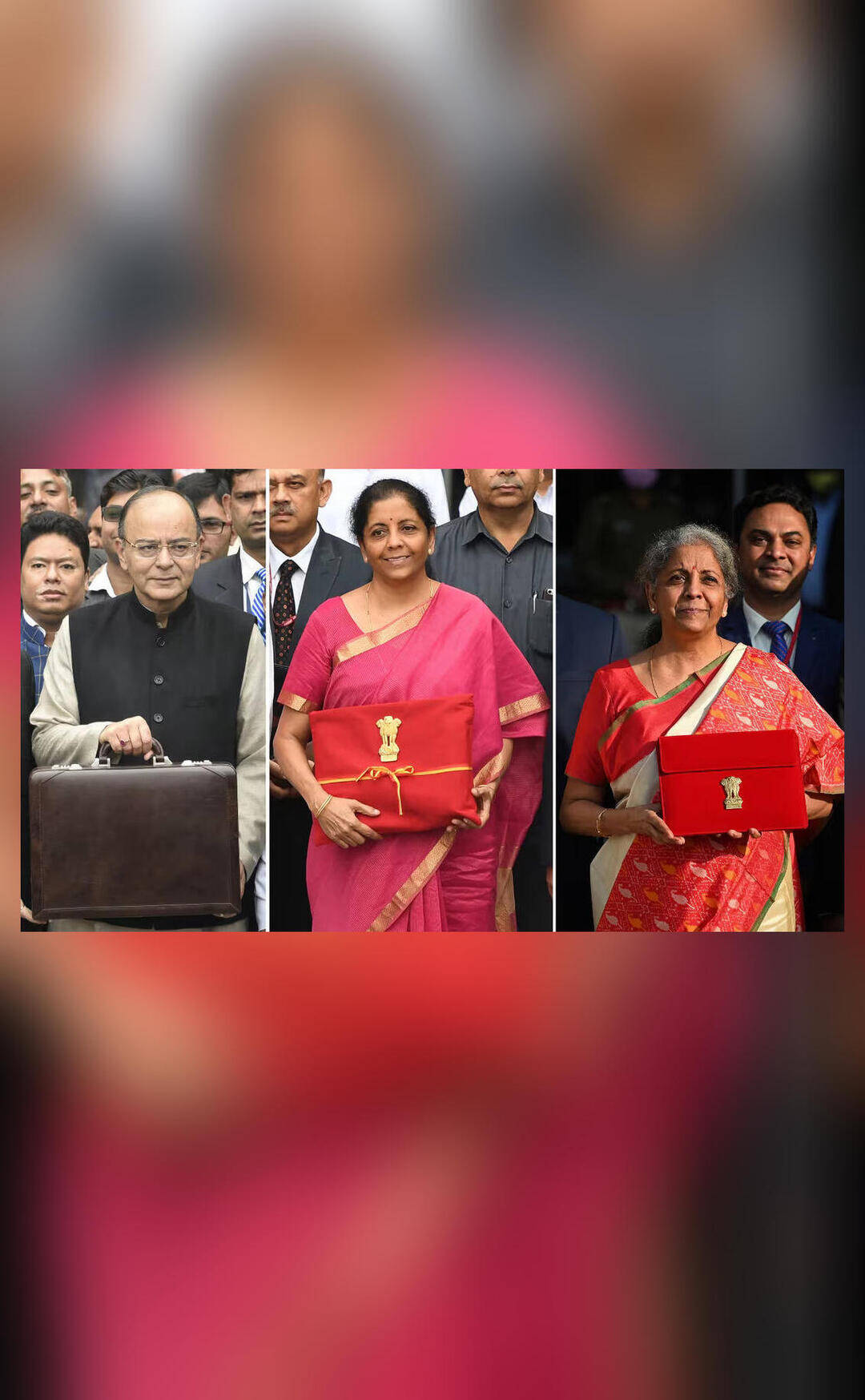
In recent years, the presentation of the Budget has undergone a more symbolic transformation. In 2019, Finance Minister Nirmala Sitharaman broke away from the traditional briefcase, which had been used by her predecessors to carry the Budget documents. Instead, she opted for a cloth-wrapped ‘bahi khata’, a traditional Indian ledger book, to carry the Budget papers. This move was seen as a nod to India’s rich cultural heritage and a departure from the colonial-era tradition of using a briefcase.
However, the most significant change in the presentation of the Union Budget came in 2021, when Finance Minister Nirmala Sitharaman presented India’s first paperless Budget. The Budget documents were presented on a Made-in-India tablet, marking a significant shift towards a digital and eco-friendly mode of presentation. This move was in line with the government’s thrust on digitalization and its commitment to reducing its carbon footprint.
The transition from a traditional briefcase to a tablet is not just a symbolic change; it reflects the government’s efforts to leverage technology to make the Budget-making process more efficient and transparent. The use of digital platforms has enabled the government to disseminate Budget information more widely and quickly, allowing citizens to access the Budget documents and analysis in real-time.
The changes in the presentation of the Union Budget over the years are a testament to the government’s willingness to adapt to changing times and embrace new technologies. As India continues to evolve and grow, it is likely that the presentation of the Budget will undergo further transformations, reflecting the country’s progress towards a more digital and sustainable economy.
In conclusion, the presentation of the Union Budget has undergone significant changes over the years, from the traditional briefcase to a cloth-wrapped ‘bahi khata’ and finally to a Made-in-India tablet. These changes reflect the government’s efforts to modernize and digitize the Budget-making process, making it more efficient, transparent, and eco-friendly. As we look to the future, it will be interesting to see how the presentation of the Budget continues to evolve, reflecting the country’s progress towards a more digital and sustainable economy.
Key Highlights of the Last 10 Budgets
The last 10 Budgets, presented during the Modi regime, have been significant in terms of their impact on the economy and the country’s growth trajectory. Some of the key highlights of these Budgets include:
- The introduction of the Goods and Services Tax (GST) in 2017, which has simplified the tax structure and increased tax compliance.
- The launch of the Make in India initiative in 2014, which has aimed to promote domestic manufacturing and attract foreign investment.
- The introduction of the Insolvency and Bankruptcy Code (IBC) in 2016, which has helped to resolve the issue of non-performing assets in the banking sector.
- The launch of the Ayushman Bharat scheme in 2018, which has provided health insurance coverage to millions of poor and vulnerable families.
- The introduction of the National Education Policy (NEP) in 2020, which has aimed to transform the education sector and make it more relevant to the needs of the economy.
These are just a few examples of the significant initiatives and reforms that have been announced in the last 10 Budgets. As we look to the future, it will be interesting to see how the government continues to build on these initiatives and introduce new reforms to drive growth and development.
About the Author