How has Union Budget’s presentation changed over the years, from a briefcase to a tablet?
The Union Budget, one of the most significant economic events in India, has undergone significant changes in its presentation over the years. From the traditional briefcase to a cloth-wrapped ‘bahi khata’ and finally to a Made-in-India tablet, the Budget presentation has evolved to reflect the changing times and technological advancements. In this blog post, we will delve into the history of the Union Budget’s presentation and explore the key changes that have taken place over the years.
Historically, the Union Budget was presented on the last day of February, typically around 5:00 pm. However, in 1999, the presentation time was changed to 11:00 am, marking a significant shift in the Budget presentation schedule. This change was aimed at providing more time for the Parliament to discuss and debate the Budget before the financial year began.
Another significant change in the Budget presentation schedule occurred in 2017, when the date of presentation was advanced to February 1. This change was intended to enable the Ministries and Departments to implement their plans and schemes from the beginning of the financial year, rather than waiting for the Budget to be passed.
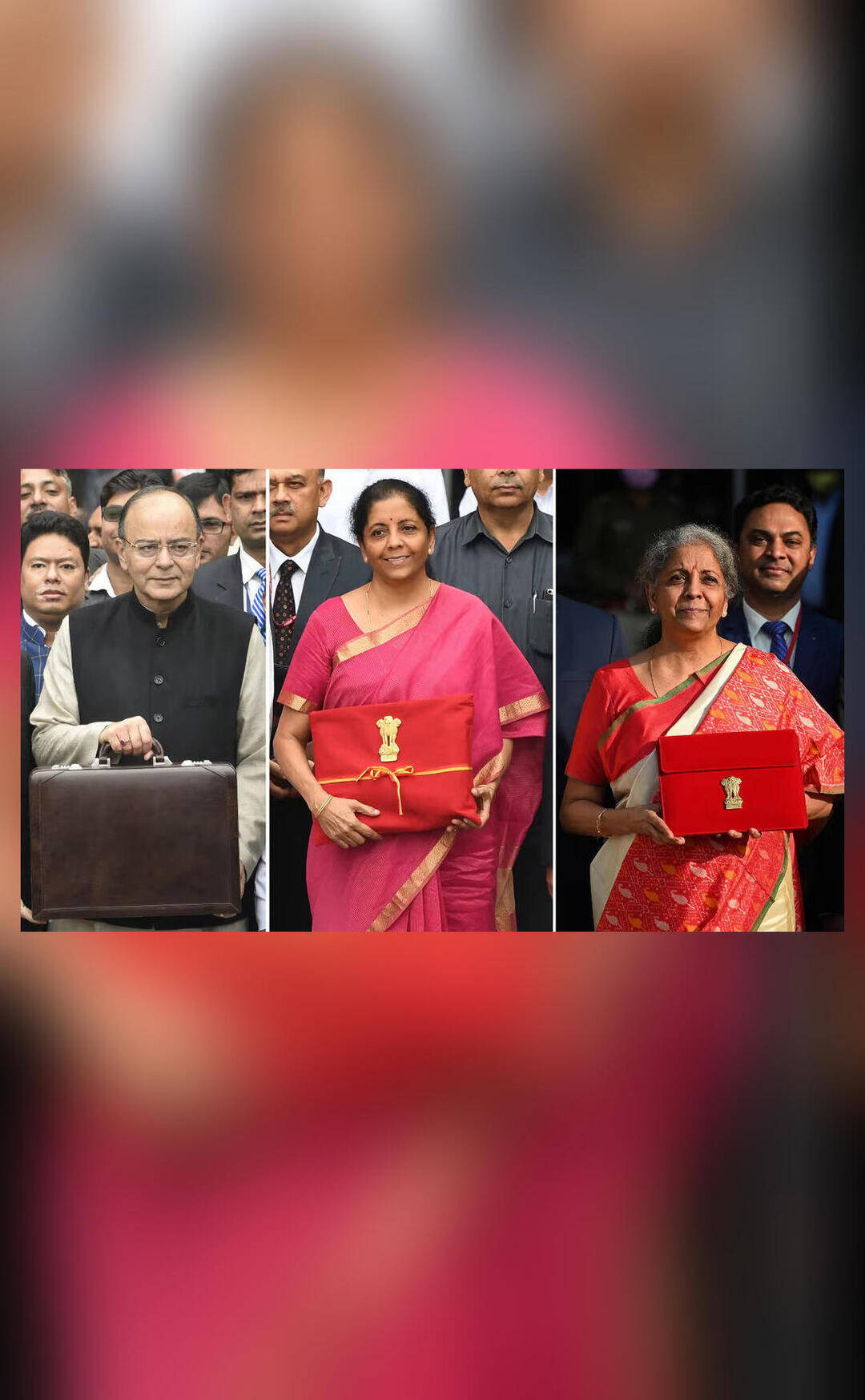
In addition to the changes in the presentation schedule, the Budget presentation has also undergone a significant transformation in terms of its format and style. Until 2019, the Finance Minister would carry the Budget documents in a traditional briefcase, which had become an iconic symbol of the Budget presentation. However, in 2019, Finance Minister Nirmala Sitharaman broke with tradition and switched to a cloth-wrapped ‘bahi khata’ to carry the Budget documents. This change was seen as a nod to India’s traditional accounting practices and a move towards a more indigenous and eco-friendly approach.
The most significant change in the Budget presentation, however, occurred in 2021, when Finance Minister Nirmala Sitharaman presented India’s first paperless Budget on a Made-in-India tablet. This move marked a significant shift towards a digital and environmentally friendly approach, as it eliminated the need for printing thousands of pages of Budget documents. The use of a tablet also enabled the Finance Minister to access and present the Budget data in a more interactive and engaging manner.
The transition from a traditional briefcase to a tablet is not just a symbolic change, but also reflects the government’s commitment to leveraging technology to improve governance and transparency. The use of digital platforms and tools has enabled the government to reach a wider audience and provide easier access to information, making the Budget presentation more inclusive and participatory.
In conclusion, the Union Budget’s presentation has undergone significant changes over the years, reflecting the evolving needs and priorities of the government and the economy. From the traditional briefcase to a cloth-wrapped ‘bahi khata’ and finally to a Made-in-India tablet, the Budget presentation has transformed to become more digital, eco-friendly, and inclusive. As we look to the future, it will be interesting to see how the Budget presentation continues to evolve and adapt to new technologies and trends.
The last 10 Budgets presented in the Modi regime have been significant in terms of their impact on the economy and the country’s development. Some of the key highlights of these Budgets include the introduction of the Goods and Services Tax (GST), the launch of the Make in India initiative, and the implementation of the Insolvency and Bankruptcy Code (IBC). The Budgets have also focused on promoting digitalization, entrepreneurship, and sustainability, reflecting the government’s commitment to creating a more modern and inclusive economy.
As we approach the next Budget presentation, it will be interesting to see how the government builds on these initiatives and introduces new measures to drive growth and development. The use of technology and digital platforms is likely to play an increasingly important role in the Budget presentation, enabling the government to reach a wider audience and provide easier access to information.
In the end, the Union Budget’s presentation is not just a formal event, but an opportunity for the government to communicate its vision and priorities to the nation. As the Budget presentation continues to evolve and adapt to new technologies and trends, it is likely to become more engaging, inclusive, and effective in promoting transparency and accountability.
About the Author