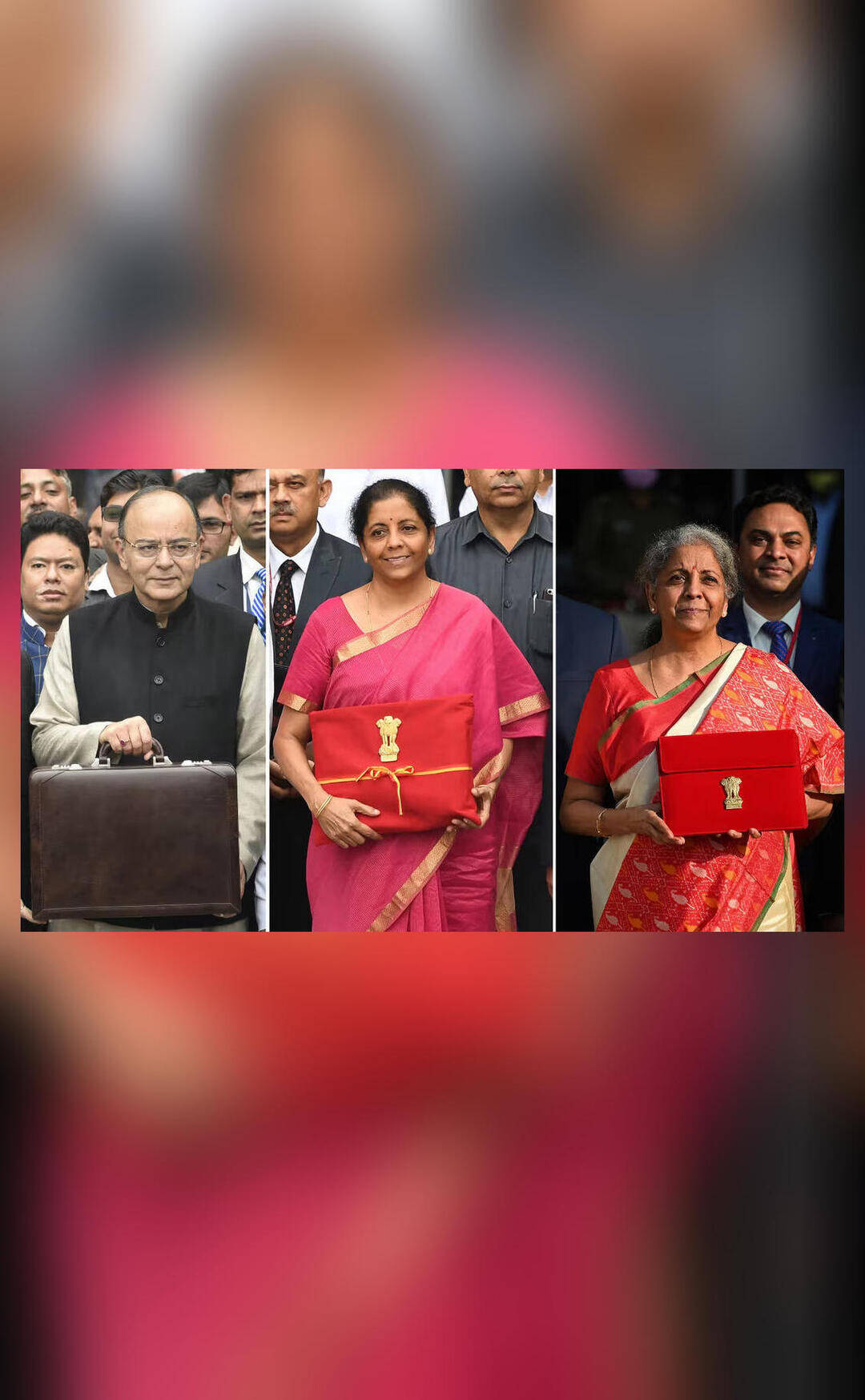
How has Union Budget’s presentation changed over the years, from a briefcase to a tablet?
The Union Budget of India, presented annually by the Finance Minister, is a highly anticipated event that outlines the government’s fiscal policies and plans for the upcoming year. Over the years, the presentation of the Union Budget has undergone significant changes, reflecting the evolving times and technological advancements. In this blog post, we will delve into the transformations that have taken place in the presentation of the Union Budget, from the traditional briefcase to the modern tablet.
Historically, the Union Budget was presented on the last day of February, typically around 5:00 pm. However, in 1999, the presentation time was changed to 11:00 am, marking a significant shift in the tradition. This change was aimed at providing more time for the government to implement the budgetary proposals before the start of the new financial year. The date of presentation was further changed to February 1 in 2017, as part of the government’s efforts to advance the budget presentation to enable the completion of the legislative process before the start of the new financial year.
Another notable change in the presentation of the Union Budget was the switch from a briefcase to a cloth-wrapped ‘bahi khata’ (traditional ledger) in 2019. Finance Minister Nirmala Sitharaman made this change, breaking away from the traditional British-era practice of carrying budget documents in a briefcase. This move was seen as a nod to India’s rich cultural heritage and a departure from the colonial legacy.
The most significant transformation, however, took place in 2021, when Finance Minister Nirmala Sitharaman presented India’s first paperless Budget. The Budget documents were presented on a Made-in-India tablet, marking a significant shift towards digitalization and sustainability. This move was in line with the government’s efforts to promote digital literacy and reduce paper waste.
The transition to a paperless Budget was a culmination of the government’s efforts to leverage technology and make the budget-making process more efficient. The use of a tablet to present the Budget documents not only reduced the environmental impact but also enabled the government to make the Budget documents more accessible to the public. The Budget documents were made available online, allowing citizens to access them easily and providing greater transparency in the budget-making process.
The changes in the presentation of the Union Budget reflect the government’s commitment to embracing technology and promoting sustainability. The use of a tablet to present the Budget documents is a significant step towards digitalization and demonstrates the government’s willingness to adapt to new technologies. The switch to a paperless Budget also underscores the government’s efforts to reduce its environmental footprint and promote eco-friendly practices.
In conclusion, the presentation of the Union Budget has undergone significant changes over the years, from the traditional briefcase to the modern tablet. The changes reflect the government’s efforts to adapt to new technologies, promote sustainability, and make the budget-making process more efficient. As we look to the future, it will be interesting to see how the presentation of the Union Budget continues to evolve and incorporate new technologies.
The last 10 Budgets presented in the Modi regime have been significant, with key highlights including the transition from a traditional briefcase to a bahi khata and the presentation of India’s first paperless Budget. The government’s efforts to promote digitalization, sustainability, and transparency have been evident in the budget-making process, and it will be interesting to see how these efforts continue to shape the presentation of the Union Budget in the years to come.
About the Author