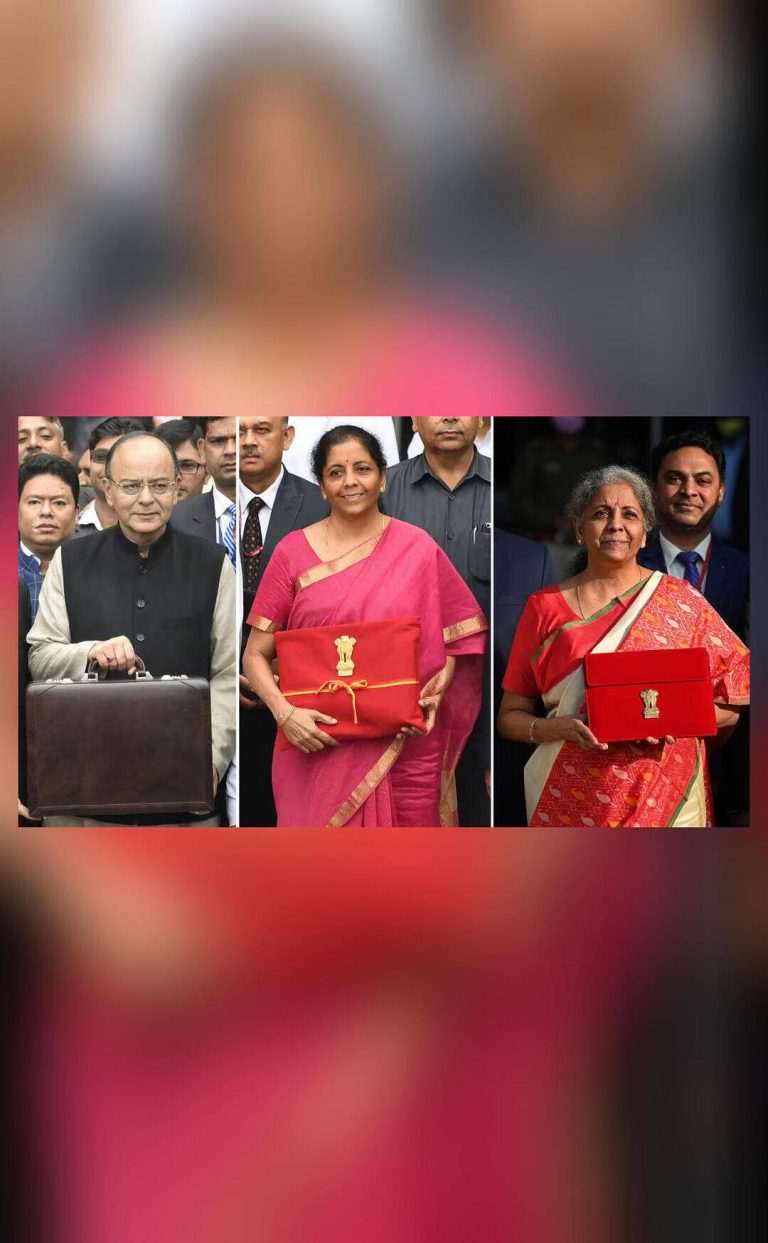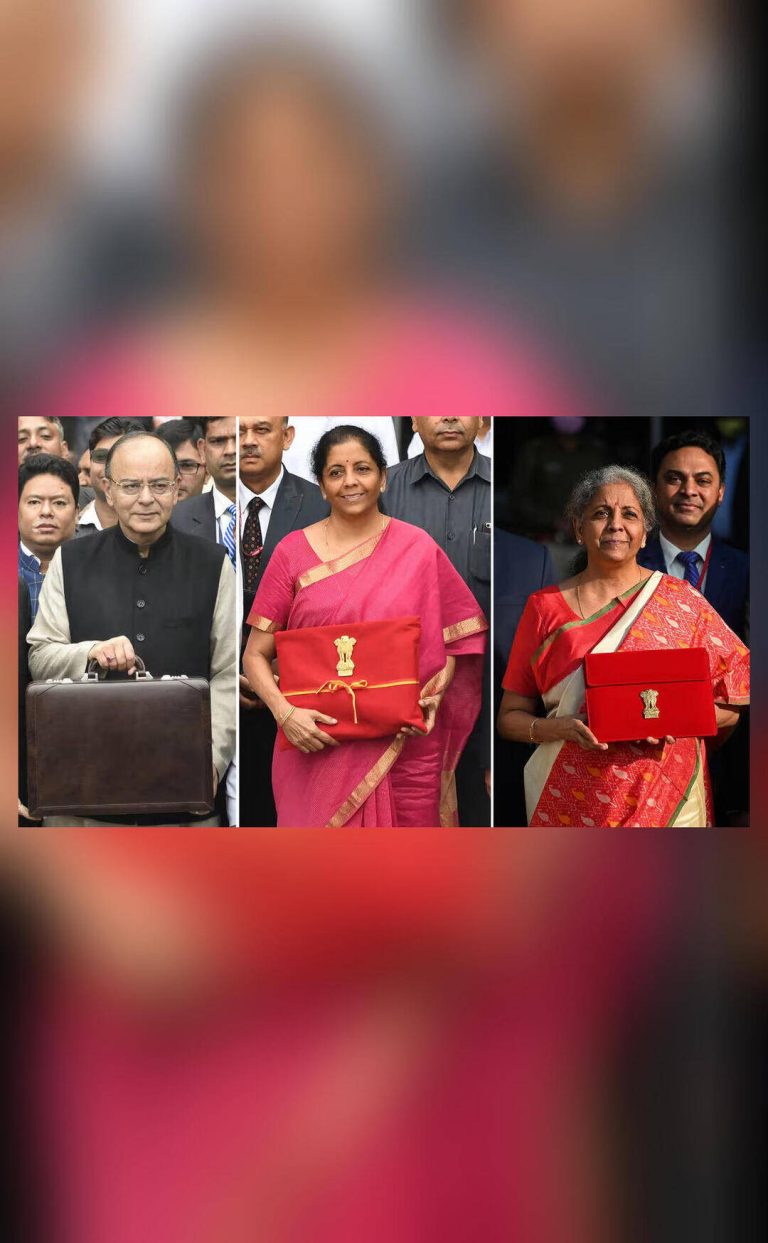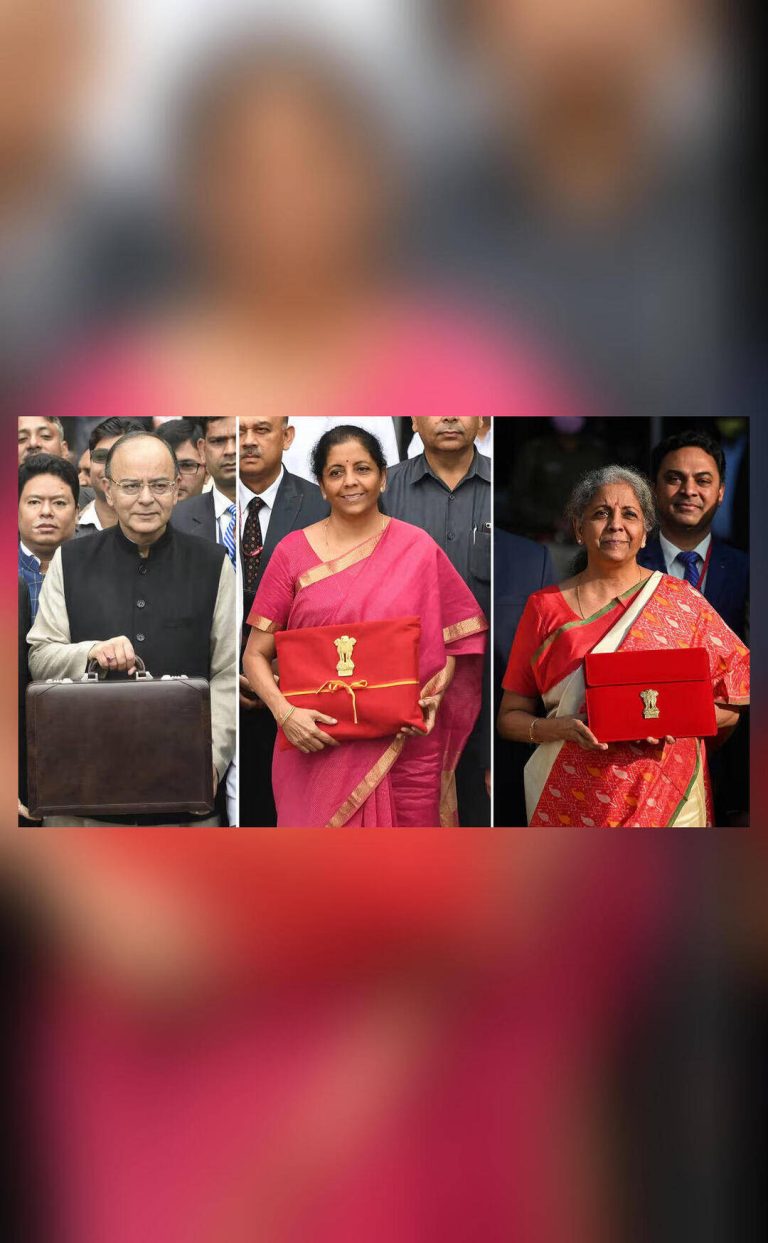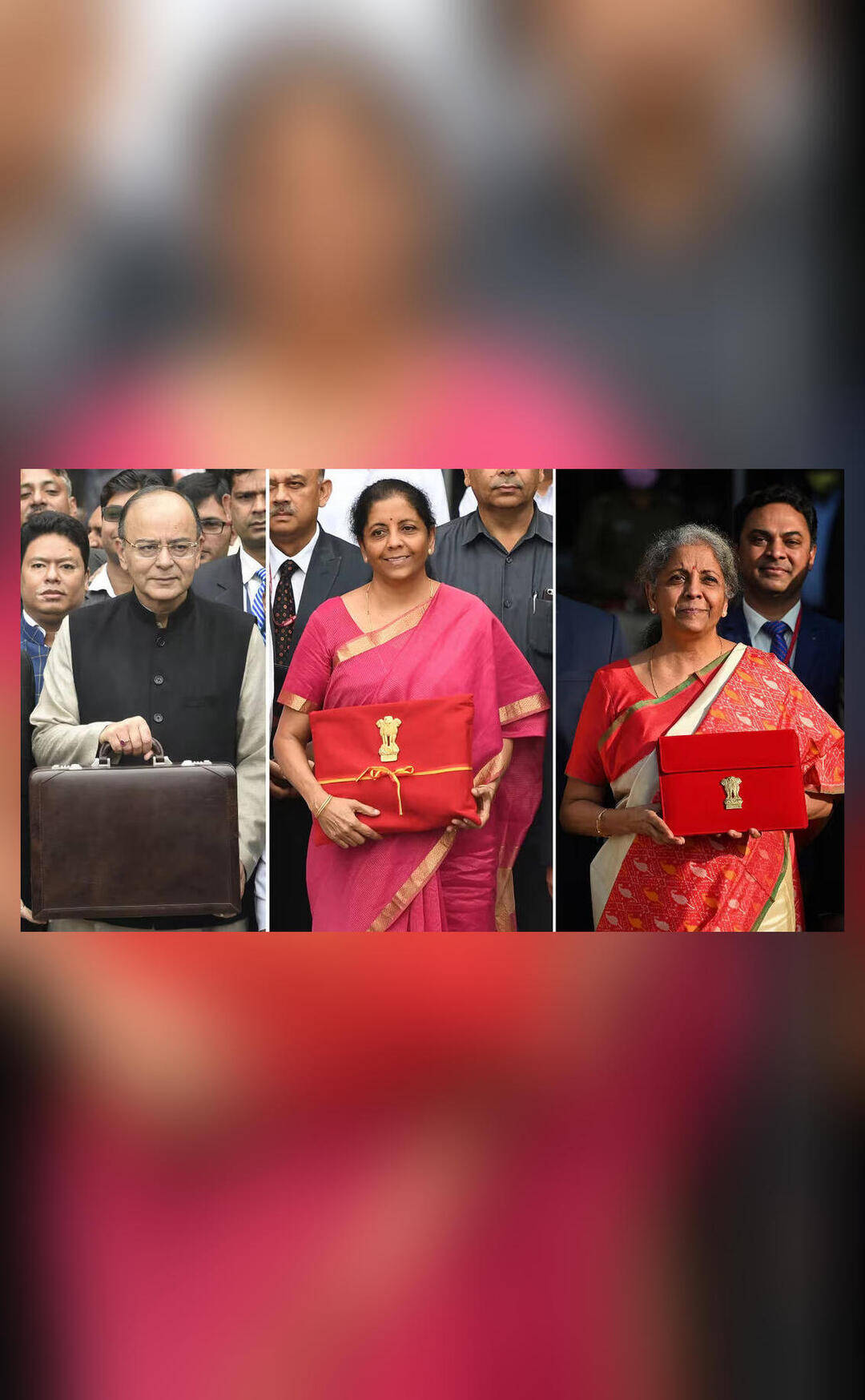
How has Union Budget’s presentation changed over the years, from a briefcase to a tablet?
The Union Budget, one of the most anticipated events in India’s economic calendar, has undergone significant changes in its presentation over the years. The traditional briefcase, which was once a staple of the Budget presentation, has given way to more modern and innovative methods. In this blog post, we will explore the evolution of the Union Budget’s presentation, from the briefcase to the tablet, and highlight the key milestones in this journey.
Until 2017, the Union Budget was presented at the end of February, typically around the 28th or 29th of the month. However, in 2017, the government decided to advance the presentation date to February 1, with the aim of enabling the Budget to come into effect from April 1, the beginning of the new financial year. This change was seen as a significant departure from the traditional practice, and it marked the beginning of a new era in the presentation of the Union Budget.
Another significant change in the presentation of the Union Budget was the shift in the timing of the presentation. Until 1999, the Budget was presented at 5:00 pm, but in that year, the presentation time was changed to 11:00 am. This change was aimed at allowing the stock markets to react to the Budget announcements in a more timely and efficient manner.
In recent years, the presentation of the Union Budget has undergone a significant transformation, with the traditional briefcase giving way to more modern and innovative methods. In 2019, Finance Minister Nirmala Sitharaman switched from a briefcase to a cloth-wrapped ‘bahi khata’ to carry the Budget documents. The ‘bahi khata’ is a traditional Indian ledger book, and its use was seen as a nod to India’s rich cultural heritage.
However, the most significant change in the presentation of the Union Budget came in 2021, when Finance Minister Nirmala Sitharaman presented India’s first paperless Budget on a Made-in-India tablet. This marked a significant departure from the traditional practice of carrying bulky documents in a briefcase or ‘bahi khata’, and it highlighted the government’s commitment to embracing technology and innovation.
The use of a tablet to present the Budget was seen as a significant step forward, as it allowed for greater efficiency and convenience in the presentation of the Budget. The tablet was loaded with the Budget documents, and it enabled the Finance Minister to access and present the information in a more streamlined and organized manner.
The transition from a briefcase to a tablet also marked a significant shift in the way the Budget is presented and consumed. With the use of a tablet, the Budget documents can be easily shared and accessed by stakeholders, including lawmakers, policymakers, and the general public. This has increased transparency and accountability, and it has enabled a wider audience to engage with the Budget and its provisions.
In addition to the changes in the presentation of the Union Budget, there have also been significant changes in the content and focus of the Budget over the years. The Budget has evolved to reflect the changing needs and priorities of the economy, and it has addressed a wide range of issues, including fiscal policy, taxation, infrastructure development, and social welfare.
In the last 10 years, the Union Budget has played a critical role in shaping India’s economic trajectory. The Budget has introduced a range of reforms and initiatives, including the Goods and Services Tax (GST), the Insolvency and Bankruptcy Code (IBC), and the Pradhan Mantri Jan Dhan Yojana (PMJDY). These initiatives have helped to promote economic growth, improve fiscal discipline, and increase access to financial services.
In conclusion, the presentation of the Union Budget has undergone significant changes over the years, from the traditional briefcase to the modern tablet. These changes reflect the government’s commitment to embracing technology and innovation, and they have increased transparency and accountability in the Budget-making process. As India continues to evolve and grow, it is likely that the Union Budget will continue to play a critical role in shaping the country’s economic trajectory, and its presentation will continue to adapt to the changing needs and priorities of the economy.
About the Author