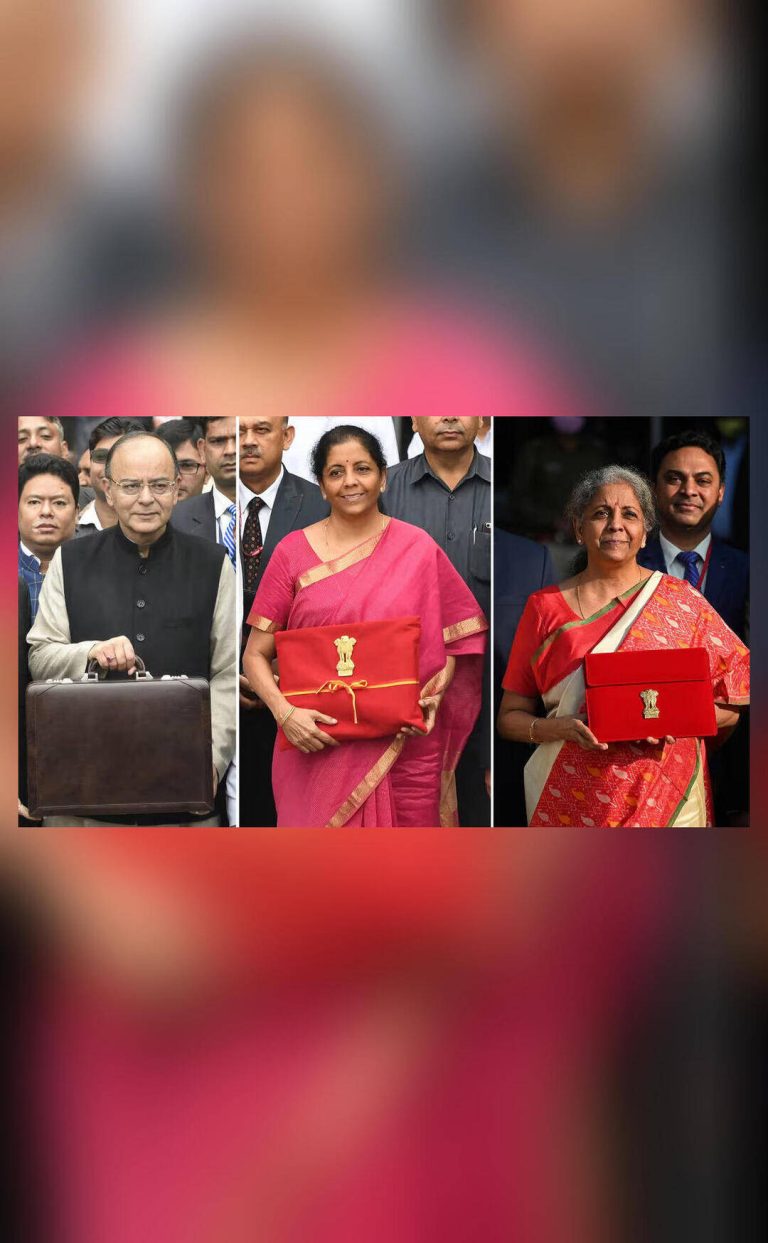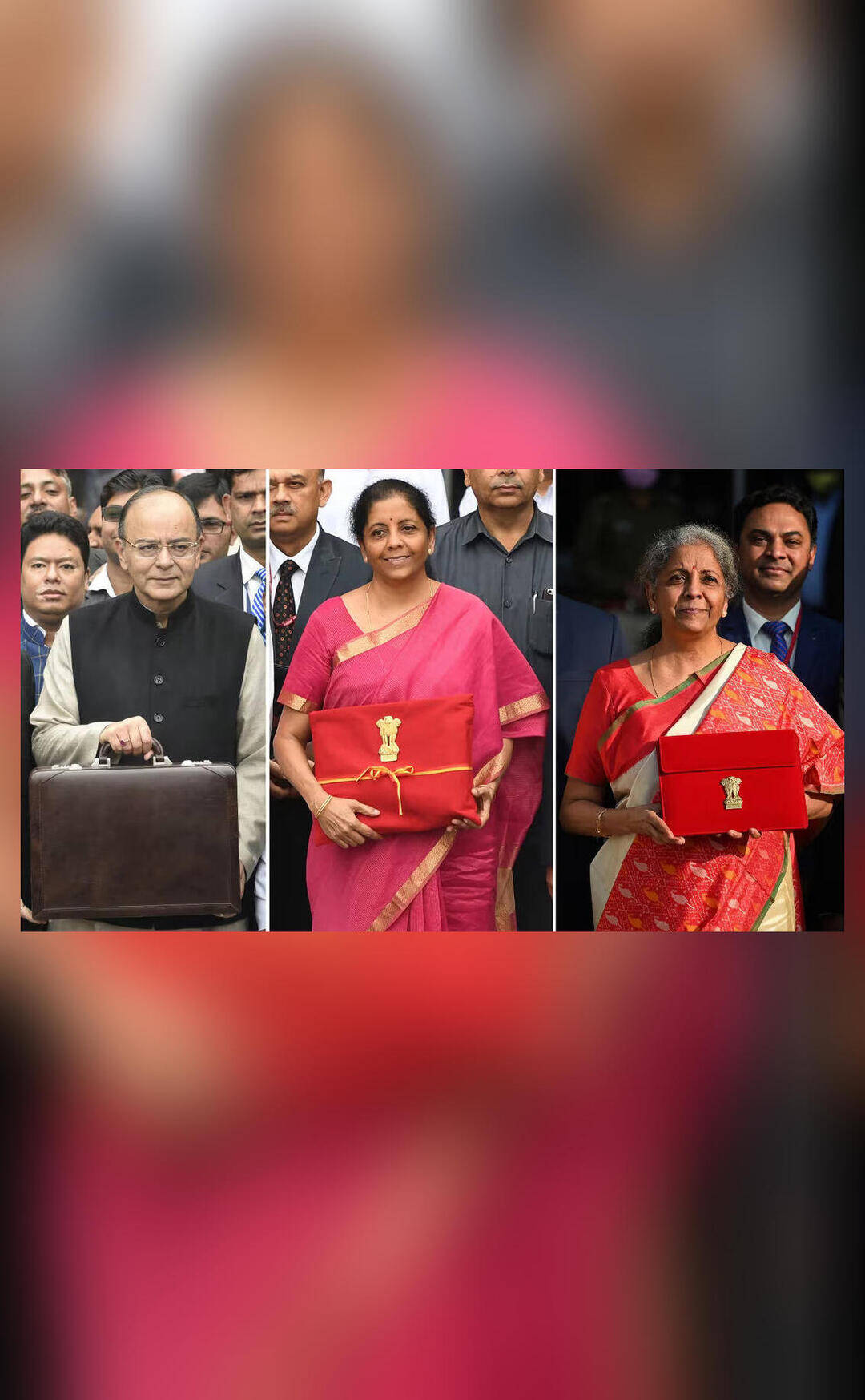
How has Union Budget’s presentation changed over the years, from a briefcase to a tablet?
The Union Budget of India, presented annually by the Finance Minister, is a significant event that outlines the country’s financial plans and policies for the upcoming fiscal year. Over the years, the presentation of the Union Budget has undergone significant changes, reflecting the evolving times and technological advancements. In this blog post, we will delve into the transformations that have taken place in the presentation of the Union Budget, from the traditional briefcase to the modern tablet.
Historically, the Union Budget was presented at the end of February, typically around the 28th or 29th of the month. However, in 2017, the government decided to advance the presentation date to February 1. This change was aimed at enabling the implementation of the Budget provisions from the beginning of the fiscal year, thereby providing a longer timeframe for the execution of the government’s plans and policies.
Another significant change in the presentation of the Union Budget was the shift in the presentation time. Until 1999, the Budget was presented at 5:00 pm. However, with the advent of the new millennium, the presentation time was changed to 11:00 am. This change was made to facilitate a more convenient and timely dissemination of the Budget information to the public, media, and other stakeholders.
In recent years, the presentation of the Union Budget has become more modern and tech-savvy. In 2019, Finance Minister Nirmala Sitharaman broke away from the traditional briefcase and instead carried the Budget documents in a cloth-wrapped ‘bahi khata’, a traditional Indian ledger book. This move was seen as a nod to the country’s rich cultural heritage and a departure from the colonial-era tradition of carrying a briefcase.
The most significant technological advancement in the presentation of the Union Budget came in 2021, when Finance Minister Nirmala Sitharaman presented India’s first paperless Budget on a Made-in-India tablet. This move marked a significant shift towards a digital and environmentally friendly approach, doing away with the need for hundreds of pages of printed documents.
The transition to a paperless Budget was a result of the government’s efforts to embrace digital technology and reduce its carbon footprint. The use of a tablet to present the Budget also enabled the Finance Minister to access and present the Budget documents in a more efficient and organized manner.
The changes in the presentation of the Union Budget reflect the government’s efforts to modernize and adapt to the evolving times. From the traditional briefcase to the modern tablet, the presentation of the Budget has come a long way, incorporating technological advancements and cultural sensitivities.
As we look to the future, it will be interesting to see how the presentation of the Union Budget continues to evolve. With the increasing focus on digital technology and sustainability, it is likely that the Budget presentation will become even more modern and environmentally friendly.
In conclusion, the presentation of the Union Budget has undergone significant changes over the years, from the traditional briefcase to the modern tablet. These changes reflect the government’s efforts to adapt to the evolving times, incorporate technological advancements, and promote sustainability. As we move forward, it will be exciting to see how the presentation of the Union Budget continues to transform and innovate.
The last 10 Budgets presented in the Modi regime have been significant, with key highlights including the transition from a traditional briefcase to a bahi khata and finally to a tablet. For more information on the key highlights of the last 10 Budgets, visit: https://www.freepressjournal.in/amp/business/budget-2024-check-key-highlights-of-last-10-budgets-presented-in-modi-regime-transitioning-from-traditional-briefcase-to-bahi-khata
About the Author