Ford to spend ₹1.77 lakh crore to cancel EV models; shift back to ICE, hybrid cars
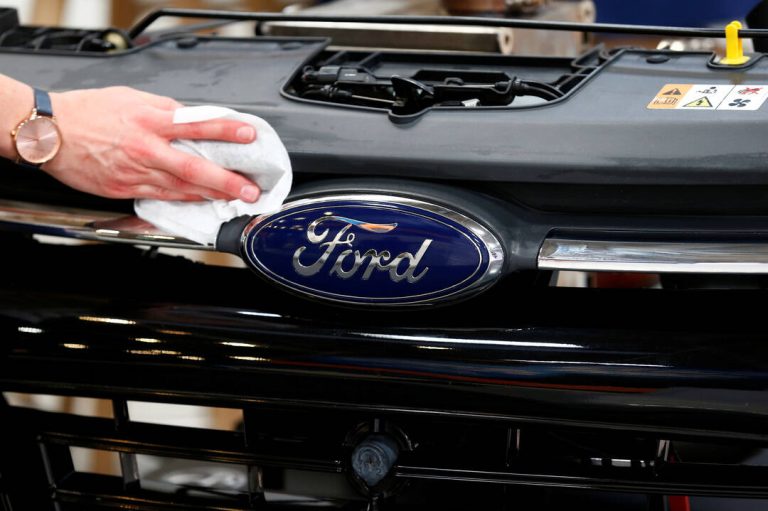
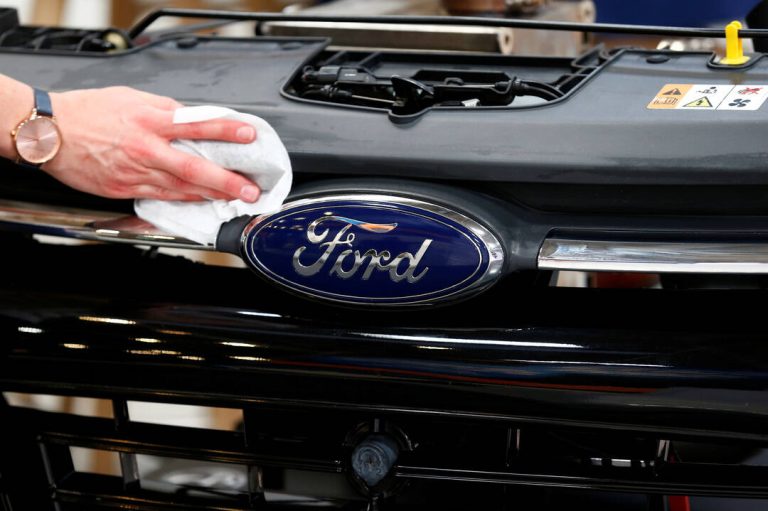
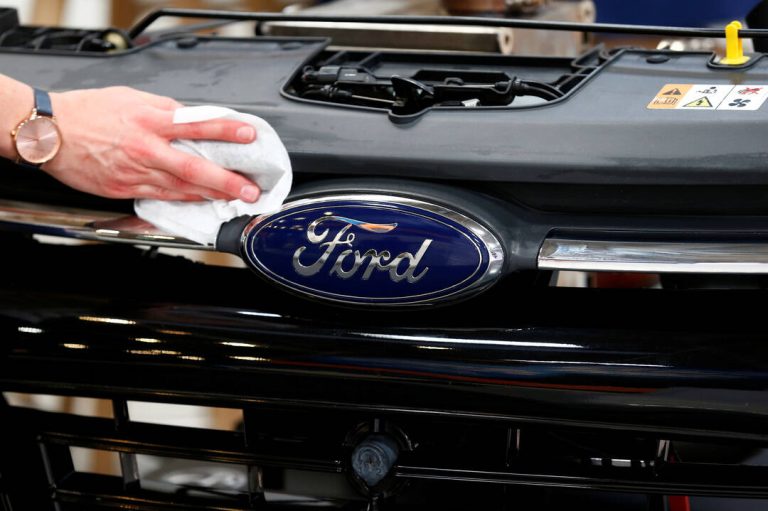
In a shocking move, Ford has announced a massive $19.5-billion (approximately ₹1.77 lakh crore) charge on its electric-vehicle investments. This decision comes as a surprise to many in the automotive industry, as Ford had previously committed to investing heavily in electric vehicles (EVs) and had even announced plans to launch several new EV models in the coming years. However, it now appears that the company is shifting its focus back to internal combustion engine (ICE) and hybrid vehicles.
According to reports, about $8.5 billion of the charge is tied to costs associated with killing future EV models. This suggests that Ford has decided to cancel several EV projects that were in development, and will instead focus on producing vehicles with traditional ICE and hybrid powertrains. This move is likely to be seen as a significant setback for the company’s EV ambitions, and may raise questions about its commitment to reducing its environmental impact.
In addition to the costs associated with canceling EV models, about $6 billion of the charge is tied to a now-cancelled battery operation joint venture (JV) with South Korea’s SK On. This JV was announced last year, and was seen as a key part of Ford’s strategy to develop and produce its own EV batteries. However, it appears that the company has now decided to abandon this plan, and will instead focus on sourcing batteries from other suppliers.
Perhaps the most significant aspect of Ford’s announcement, however, is its decision to convert its flagship electric truck-manufacturing factory in Tennessee to produce models with ICE and hybrid engines. This factory was previously dedicated to producing the company’s F-150 Lightning electric truck, which was seen as a key model in Ford’s EV lineup. However, it now appears that the company will be shifting production at this factory to focus on more traditional powertrains.
This decision is likely to be seen as a significant blow to the EV industry, and may raise questions about the viability of electric vehicles as a long-term solution for reducing emissions. While many other manufacturers, such as Tesla and Volkswagen, have committed to investing heavily in EVs, Ford’s decision to shift its focus back to ICE and hybrid vehicles may suggest that the company is not confident in the future of electric vehicles.
It’s worth noting, however, that Ford’s decision may not be entirely driven by a lack of confidence in EVs. The company may be responding to changing market conditions, such as fluctuations in demand for EVs or shifts in government regulations. Additionally, the high cost of developing and producing EVs may be a significant factor in Ford’s decision, as the company may be seeking to reduce its investments in this area in order to focus on more profitable ventures.
Regardless of the reasons behind Ford’s decision, it’s clear that this move will have significant implications for the automotive industry. As one of the largest and most well-established manufacturers in the world, Ford’s decisions can have a major impact on the market and on consumer behavior. If other manufacturers follow Ford’s lead and shift their focus back to ICE and hybrid vehicles, it could potentially slow the adoption of EVs and hinder efforts to reduce emissions.
On the other hand, Ford’s decision may also create opportunities for other manufacturers to fill the gap in the EV market. Companies like Tesla, which have committed to investing heavily in EVs, may see an increase in demand for their products as a result of Ford’s decision. Additionally, other manufacturers may see an opportunity to acquire Ford’s cancelled EV projects or to partner with the company on future EV ventures.
In conclusion, Ford’s decision to spend ₹1.77 lakh crore to cancel EV models and shift its focus back to ICE and hybrid vehicles is a significant development in the automotive industry. While the reasons behind this decision are not entirely clear, it’s likely that the company is responding to changing market conditions and seeking to reduce its investments in EVs. As the industry continues to evolve, it will be interesting to see how other manufacturers respond to Ford’s move, and whether the company’s decision will have a lasting impact on the adoption of EVs.
News Source: https://www.reuters.com/business/autos-transportation/fords-195-billion-ev-writedown-five-things-know-2025-12-16/
About the Author