Ford to spend ₹1.77 lakh crore to cancel EV models; shift back to ICE, hybrid cars
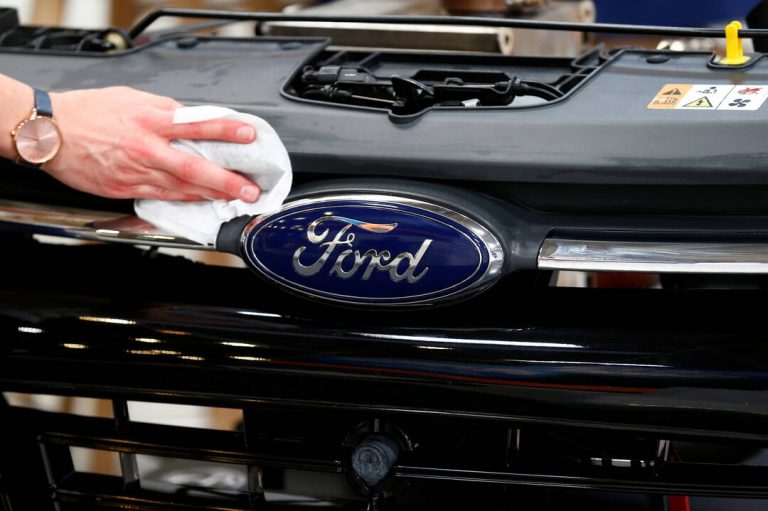
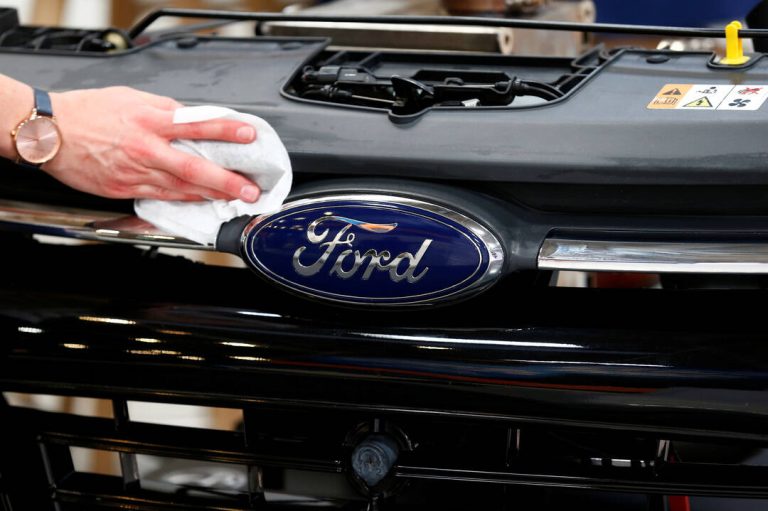
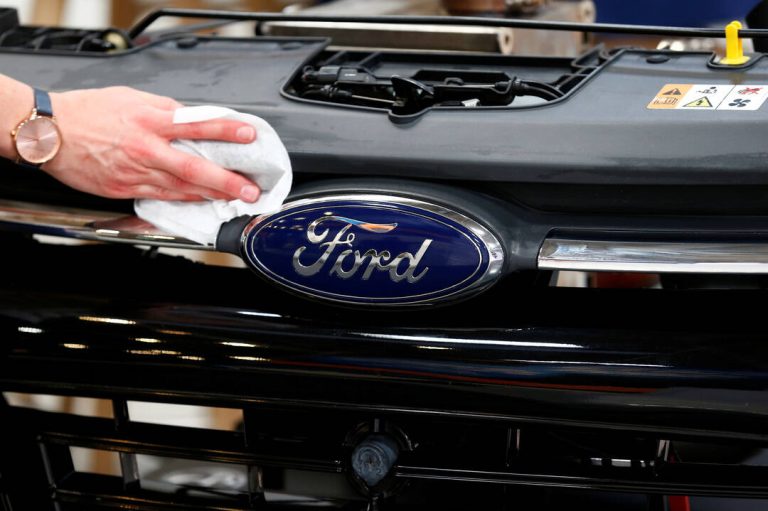
In a shocking turn of events, Ford has announced a massive $19.5-billion (approximately ₹1.77 lakh crore) charge on its electric-vehicle investments. This move is part of the company’s strategy to cancel several future electric vehicle (EV) models and shift its focus back to traditional internal combustion engine (ICE) and hybrid cars. The news has sent shockwaves through the automotive industry, with many analysts and experts trying to understand the reasoning behind Ford’s decision.
According to the announcement, about $8.5 billion of the charge is tied to costs associated with killing future EVs. This is a significant amount, and it highlights the scale of Ford’s plans to cancel its EV models. The company has not yet revealed which specific models will be cancelled, but it is expected to make an announcement in the coming weeks.
Another significant portion of the charge, about $6 billion, is tied to a now-cancelled battery operation joint venture (JV) with South Korea’s SK On. This JV was announced last year, and it was seen as a key part of Ford’s plans to expand its EV offerings. However, it seems that the company has had a change of heart, and the JV is no longer going ahead.
One of the most significant consequences of Ford’s decision is the conversion of its flagship electric truck-manufacturing factory in Tennessee. The factory, which was previously dedicated to producing electric vehicles, will now be used to produce models with ICE and hybrid engines. This is a major reversal of Ford’s previous strategy, which had emphasized the importance of EVs in its future plans.
The reasons behind Ford’s decision to shift away from EVs are not entirely clear. However, it is likely that the company is responding to changing market conditions and consumer preferences. While EVs have been gaining popularity in recent years, there are still many consumers who prefer traditional ICE and hybrid cars. By shifting its focus back to these types of vehicles, Ford may be trying to appeal to a wider range of customers and increase its market share.
Another possible reason for Ford’s decision is the high cost of developing and producing EVs. While EVs have many advantages, including lower operating costs and reduced emissions, they are often more expensive to produce than traditional ICE and hybrid cars. By cancelling its EV models and shifting its focus to more traditional vehicles, Ford may be trying to reduce its costs and improve its profitability.
The impact of Ford’s decision on the automotive industry is likely to be significant. Other manufacturers may be forced to re-evaluate their own EV strategies and consider shifting their focus back to traditional ICE and hybrid cars. This could lead to a reduction in the number of EV models available on the market, which could in turn affect consumer choice and the overall adoption of EVs.
It is also worth noting that Ford’s decision may have implications for the environment. EVs are generally considered to be more environmentally friendly than traditional ICE and hybrid cars, as they produce zero tailpipe emissions and can be powered by renewable energy sources. By shifting its focus away from EVs, Ford may be contributing to increased greenhouse gas emissions and other negative environmental impacts.
In conclusion, Ford’s decision to spend ₹1.77 lakh crore to cancel EV models and shift its focus back to traditional ICE and hybrid cars is a significant development in the automotive industry. While the reasons behind the decision are not entirely clear, it is likely that the company is responding to changing market conditions and consumer preferences. The impact of the decision will be closely watched by industry analysts and experts, and it will be interesting to see how other manufacturers respond to Ford’s move.
News Source: https://www.reuters.com/business/autos-transportation/fords-195-billion-ev-writedown-five-things-know-2025-12-16/
About the Author