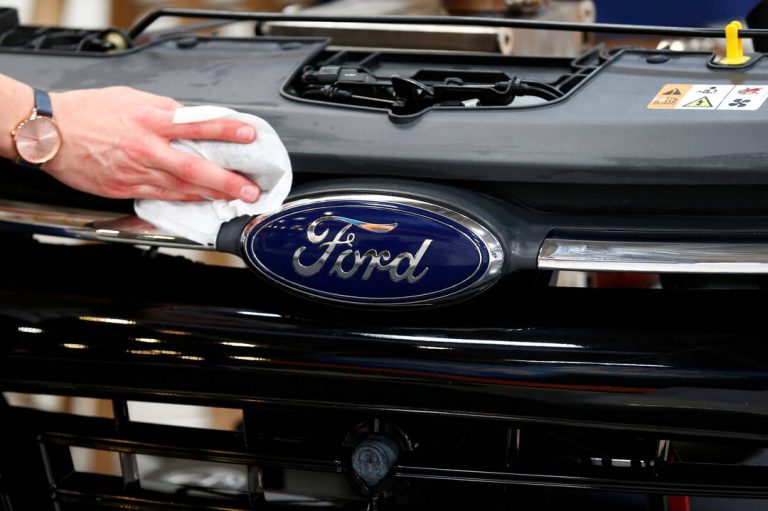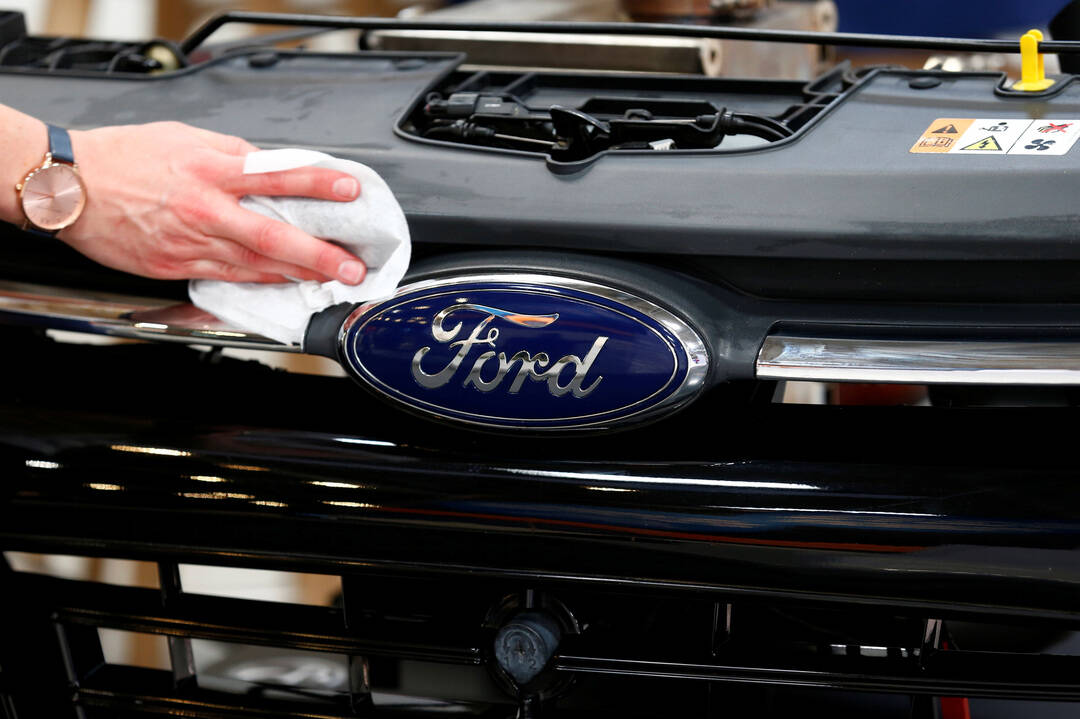
Ford to spend ₹1.77 lakh crore to cancel EV models; shift back to ICE, hybrid cars
In a shocking move, Ford has announced a massive $19.5-billion (about ₹1.77 lakh crore) charge on electric-vehicle investments, marking a significant shift in the company’s strategy. The decision comes as a surprise, given the automotive industry’s increasing focus on electric vehicles (EVs) and sustainable energy solutions. According to the company, $8.5 billion of the charge is tied to costs associated with killing future EV models, while about $6 billion is tied to a now-cancelled battery operation joint venture (JV) with South Korea’s SK On.
The announcement has sent ripples through the automotive industry, with many analysts and experts questioning Ford’s decision to scale back its EV ambitions. The company had previously committed to investing heavily in electric vehicles, with plans to launch a range of new EV models in the coming years. However, it appears that Ford is now reassessing its strategy and prioritizing the production of internal combustion engine (ICE) and hybrid vehicles.
One of the most significant consequences of Ford’s decision is the conversion of its flagship electric truck-manufacturing factory in Tennessee to produce models with ICE and hybrid engines. The factory, which was initially designed to produce the company’s electric F-Series trucks, will now be repurposed to manufacture vehicles with traditional powertrains. This move is likely to have a significant impact on the company’s production capabilities and will require significant investments in new equipment and manufacturing processes.
The decision to cancel future EV models is also likely to have a significant impact on Ford’s product lineup. The company had previously announced plans to launch a range of new EV models, including the electric F-Series truck, the Mustang Mach-E, and the E-Transit van. However, it appears that these plans are now being scaled back, and the company will instead focus on producing ICE and hybrid vehicles.
The cancellation of the battery operation JV with SK On is also a significant development. The joint venture was established to develop and manufacture advanced battery technologies for Ford’s EV models. However, it appears that the company is now reassessing its battery strategy and will instead focus on sourcing batteries from other suppliers.
Ford’s decision to shift back to ICE and hybrid vehicles is likely to be driven by a range of factors, including changing market trends, regulatory requirements, and consumer demand. While there is still a significant demand for electric vehicles, particularly in certain markets such as Europe and China, the company may be responding to a perceived slowdown in EV sales in other regions.
Additionally, the company may be concerned about the high costs associated with developing and manufacturing electric vehicles. The production of EVs requires significant investments in new technologies, manufacturing processes, and supply chains, which can be costly and time-consuming. By scaling back its EV ambitions, Ford may be able to reduce its costs and focus on more profitable areas of its business.
However, Ford’s decision to shift back to ICE and hybrid vehicles is not without risks. The company may be seen as being out of touch with the increasingly sustainability-focused automotive industry, and may face criticism from environmental groups and consumers who are demanding more eco-friendly vehicles. Additionally, the company may be missing out on the significant growth opportunities presented by the EV market, which is expected to continue to expand in the coming years.
In conclusion, Ford’s decision to spend ₹1.77 lakh crore to cancel EV models and shift back to ICE and hybrid vehicles is a significant development that is likely to have far-reaching consequences for the company and the automotive industry as a whole. While the decision may be driven by a range of factors, including changing market trends and regulatory requirements, it is likely to be seen as a setback for the company’s sustainability ambitions and may have significant implications for its future product lineup and manufacturing operations.
News Source: https://www.reuters.com/business/autos-transportation/fords-195-billion-ev-writedown-five-things-know-2025-12-16/
About the Author