Ford to spend ₹1.77 lakh crore to cancel EV models; shift back to ICE, hybrid cars
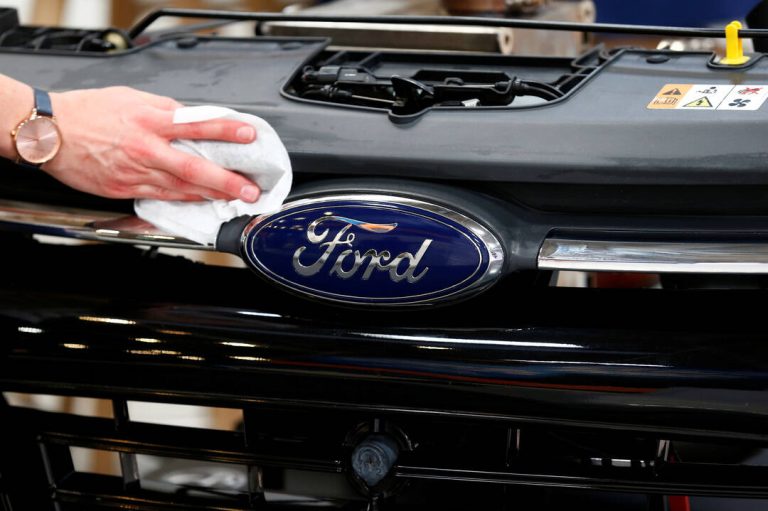
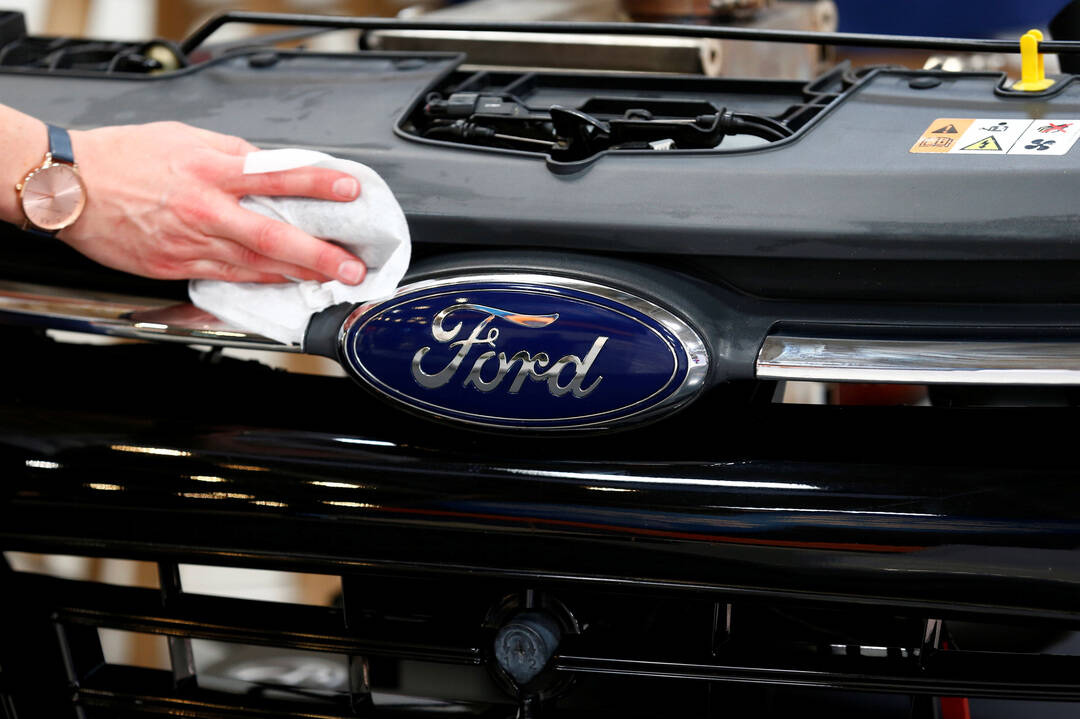
In a shocking move, Ford has announced a massive $19.5-billion (approximately ₹1.77 lakh crore) charge on its electric-vehicle investments. This decision comes as a major setback for the company’s plans to shift towards electric vehicles (EVs) and marks a significant shift in its strategy. According to the company, $8.5 billion of this charge is tied to costs associated with killing future EV models, while about $6 billion is related to a now-cancelled battery operation joint venture (JV) with South Korea’s SK On.
This move is a clear indication that Ford is rethinking its EV strategy and is instead focusing on producing models with internal combustion engines (ICE) and hybrid engines. The company has also announced that it will be converting its flagship electric truck-manufacturing factory in Tennessee to produce models with ICE and hybrid engines. This decision is likely to have significant implications for the company’s future plans and its position in the automotive market.
The announcement has come as a surprise to many, given the growing demand for electric vehicles in recent years. Many major automakers, including Ford, had announced plans to shift towards EVs in response to increasing regulatory pressure and changing consumer preferences. However, it appears that Ford has now decided to take a step back and reassess its strategy.
The $8.5 billion charge related to killing future EV models is a significant amount, and it suggests that Ford had invested heavily in the development of these models. The company had previously announced plans to launch several new EV models in the coming years, but it now appears that these plans have been put on hold. This decision is likely to be a major blow to the company’s plans to reduce its carbon footprint and meet regulatory requirements.
The $6 billion charge related to the cancelled battery operation JV with SK On is also significant. The JV had been announced with great fanfare, and it was seen as a key part of Ford’s plans to develop its EV capabilities. However, it now appears that the company has decided to go it alone and develop its own battery technology.
The decision to convert the Tennessee factory to produce models with ICE and hybrid engines is also a significant move. The factory had been specifically designed to produce electric trucks, and it was seen as a key part of Ford’s plans to become a major player in the EV market. However, it now appears that the company has decided to use the factory to produce more traditional models.
This move is likely to be seen as a major shift in Ford’s strategy, and it may have significant implications for the company’s future plans. The company had previously announced plans to become a major player in the EV market, but it now appears that it is taking a more cautious approach. The decision to focus on producing models with ICE and hybrid engines may be seen as a more conservative approach, but it may also be seen as a necessary move given the current market conditions.
The announcement has also raised questions about the future of the automotive industry and the role of EVs in it. Many experts had predicted that EVs would become a major part of the market in the coming years, but Ford’s decision suggests that this may not be the case. The company’s decision to focus on producing models with ICE and hybrid engines may be seen as a vote of no confidence in the EV market, and it may have significant implications for other automakers.
In conclusion, Ford’s decision to spend ₹1.77 lakh crore to cancel EV models and shift back to ICE and hybrid cars is a significant move that is likely to have major implications for the company and the automotive industry as a whole. The decision to focus on producing models with ICE and hybrid engines may be seen as a more conservative approach, but it may also be seen as a necessary move given the current market conditions. As the industry continues to evolve, it will be interesting to see how other automakers respond to Ford’s decision and how the market for EVs develops in the coming years.
News Source: https://www.reuters.com/business/autos-transportation/fords-195-billion-ev-writedown-five-things-know-2025-12-16/
About the Author