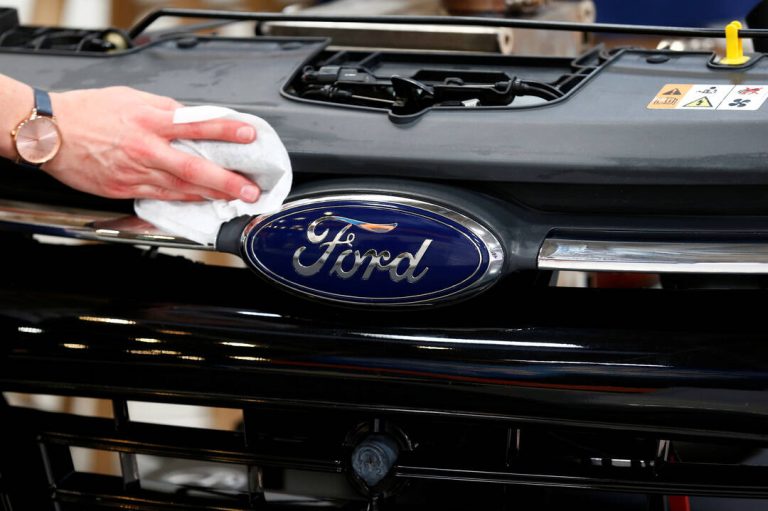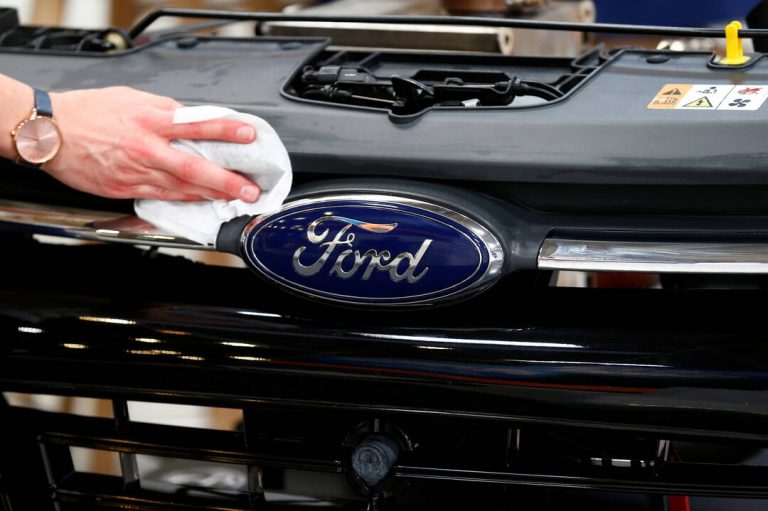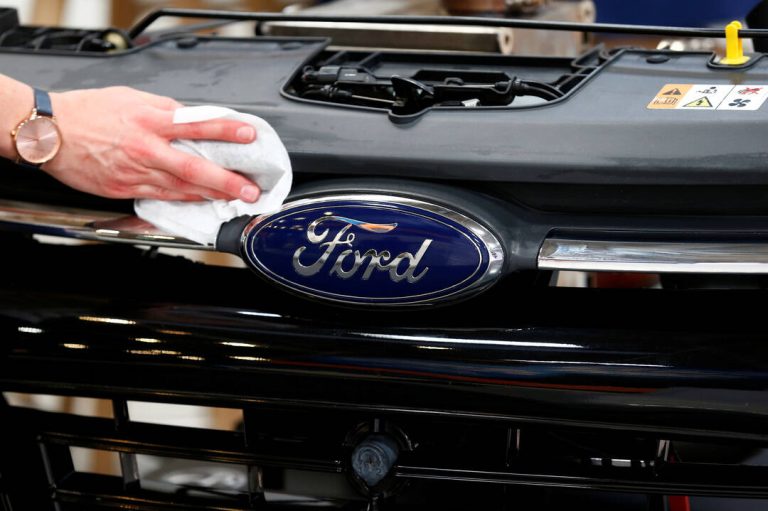
Ford to spend ₹1.77 lakh crore to cancel EV models; shift back to ICE, hybrid cars
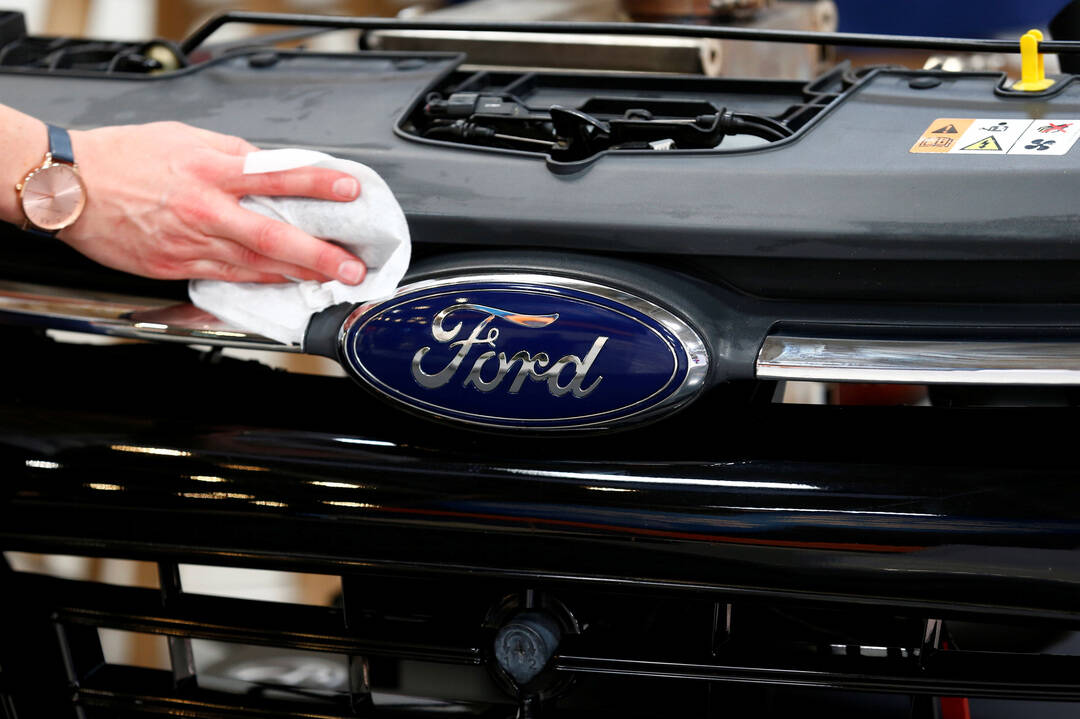
In a shocking turn of events, Ford has announced a massive $19.5-billion (about ₹1.77 lakh crore) charge on electric-vehicle investments, signaling a significant shift in the company’s strategy. The move is aimed at canceling future electric vehicle (EV) models and shifting focus back to internal combustion engine (ICE) and hybrid cars. This decision is expected to have far-reaching implications for the automotive industry, and we’ll delve into the details of this unexpected move.
According to the announcement, $8.5 billion of the charge is tied to costs associated with killing future EVs. This is a significant portion of the total charge, indicating that Ford is taking a drastic step back from its previously announced plans to invest heavily in electric vehicles. The company had earlier committed to spending billions of dollars on the development of new EV models, but it seems that those plans are now being scrapped.
Another significant portion of the charge, about $6 billion, is tied to a now-cancelled battery operation joint venture (JV) with South Korea’s SK On. This JV was expected to play a crucial role in Ford’s EV plans, providing the company with access to advanced battery technology. However, with the cancellation of the JV, Ford will now have to explore alternative options for its battery needs.
Perhaps the most significant indicator of Ford’s shift in strategy is the conversion of its flagship electric truck-manufacturing factory in Tennessee to produce models with ICE and hybrid engines. This factory was initially designed to produce the company’s electric F-Series trucks, but it will now be repurposed to produce vehicles with traditional powertrains. This move is a clear indication that Ford is no longer committed to its earlier plans of transitioning to an all-electric lineup.
The reasons behind Ford’s decision to shift away from EVs are not entirely clear, but it’s likely that the company is responding to changing market conditions and consumer preferences. While EVs have gained popularity in recent years, they still account for a relatively small portion of total vehicle sales. Additionally, the high upfront costs of EVs, combined with concerns over range anxiety and charging infrastructure, may be deterring some consumers from making the switch.
Ford’s decision to cancel its EV models and shift focus back to ICE and hybrid cars may also be driven by the need to improve profitability. The development and production of EVs are often more expensive than traditional vehicles, and the company may be seeking to reduce its costs and improve its bottom line. Additionally, the cancellation of the battery JV with SK On may be a result of Ford’s efforts to reduce its capital expenditures and avoid costly investments in unproven technologies.
The implications of Ford’s decision are far-reaching and will likely be felt across the automotive industry. Other manufacturers may be forced to reevaluate their own EV strategies and consider shifting focus back to traditional powertrains. Additionally, the cancellation of Ford’s EV models may lead to a surplus of EV-related components and technologies, which could be acquired by other companies at discounted prices.
In conclusion, Ford’s decision to spend ₹1.77 lakh crore to cancel EV models and shift back to ICE and hybrid cars is a significant development that will have far-reaching implications for the automotive industry. While the reasons behind this decision are not entirely clear, it’s likely that the company is responding to changing market conditions and consumer preferences. As the industry continues to evolve, it will be interesting to see how other manufacturers respond to Ford’s move and whether they will follow suit.
News Source: https://www.reuters.com/business/autos-transportation/fords-195-billion-ev-writedown-five-things-know-2025-12-16/
About the Author