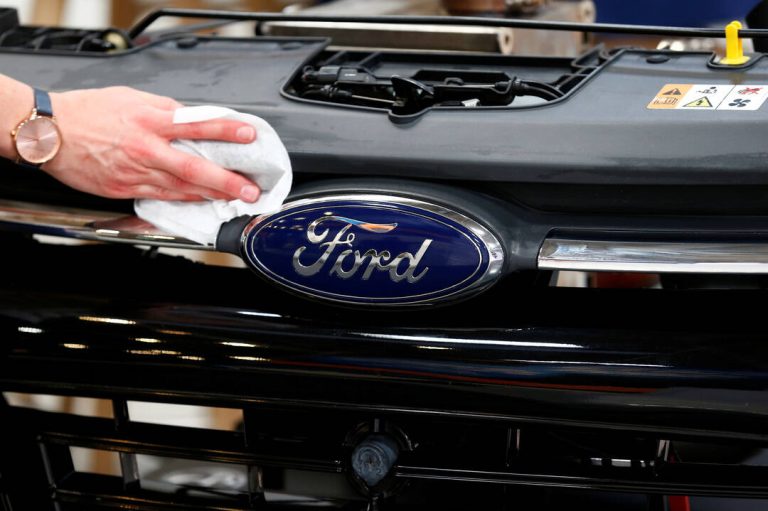
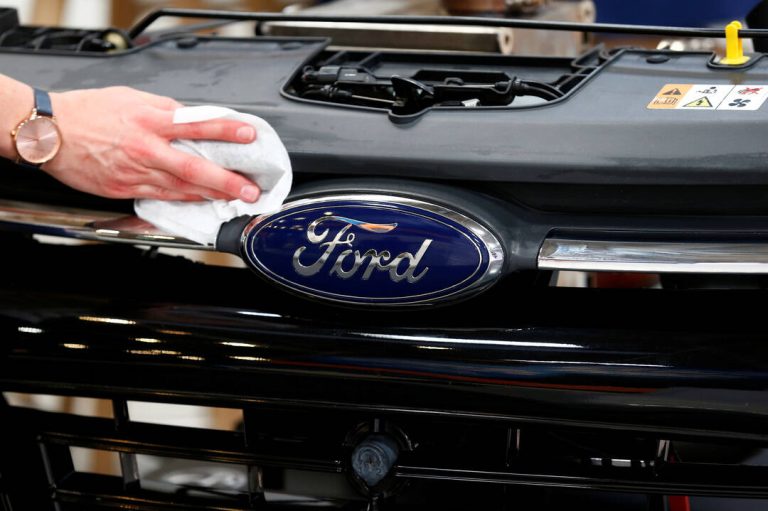
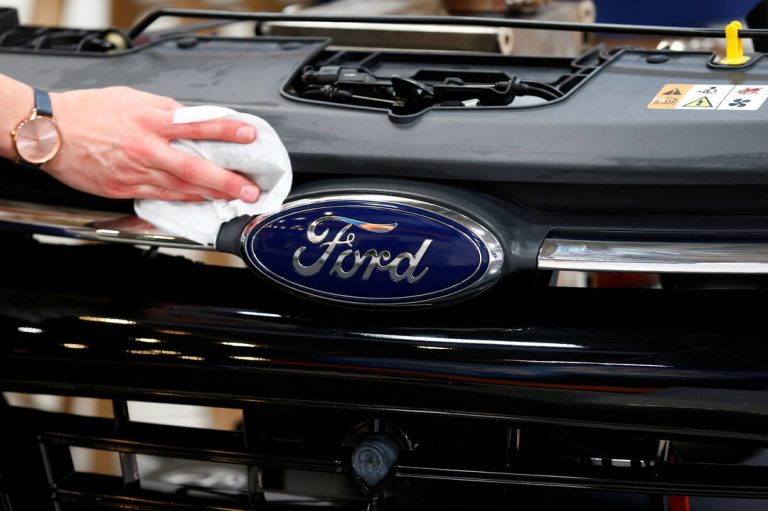
Ford to spend ₹1.77 lakh crore to cancel EV models; shift back to ICE, hybrid cars
In a shocking move, Ford has announced a massive $19.5-billion (approximately ₹1.77 lakh crore) charge on its electric-vehicle investments, marking a significant shift in the company’s strategy. The American automaker has decided to cancel several of its future electric vehicle (EV) models, and instead, focus on producing internal combustion engine (ICE) and hybrid cars. This decision is expected to have far-reaching implications for the automotive industry, which has been rapidly embracing electrification in recent years.
According to Ford, the $19.5-billion charge includes $8.5 billion tied to costs associated with killing future EVs. This is a significant portion of the total charge, indicating that the company has made a substantial investment in electric vehicle development, which will now go to waste. Additionally, about $6 billion is tied to a now-cancelled battery operation joint venture (JV) with South Korea’s SK On. This JV was expected to play a crucial role in Ford’s electric vehicle plans, but its cancellation is a clear indication that the company is scaling back its EV ambitions.
One of the most notable consequences of Ford’s decision is the conversion of its flagship electric truck-manufacturing factory in Tennessee. The factory, which was initially designed to produce electric vehicles, will now be repurposed to manufacture models with ICE and hybrid engines. This move is expected to result in significant job losses, as well as a major retooling of the factory’s production lines. The decision to convert the factory is a clear indication that Ford is no longer committed to electric vehicles, at least not in the short term.
The reasons behind Ford’s decision to cancel its EV models and shift back to ICE and hybrid cars are not entirely clear. However, industry experts suggest that the company may have underestimated the challenges associated with electric vehicle production, including the high cost of batteries and the limited charging infrastructure. Additionally, Ford may have been concerned about the growing competition in the EV market, which has become increasingly crowded in recent years.
The implications of Ford’s decision are far-reaching and will likely be felt across the automotive industry. The company’s decision to cancel its EV models and shift back to ICE and hybrid cars may be seen as a setback for the electrification of the industry, which has been driven in part by government regulations and consumer demand. However, it is also possible that Ford’s decision may prompt other automakers to reevaluate their own EV strategies and consider a more cautious approach to electrification.
In the short term, Ford’s decision is likely to result in significant job losses, particularly in the company’s electric vehicle division. The conversion of the Tennessee factory will also require significant investment, which may put a strain on the company’s finances. However, in the long term, Ford’s decision may allow the company to focus on its core strengths, including the production of ICE and hybrid cars, which have been the mainstay of the company’s business for decades.
The decision to cancel EV models and shift back to ICE and hybrid cars is also likely to have significant environmental implications. Electric vehicles are generally considered to be more environmentally friendly than ICE and hybrid cars, producing zero tailpipe emissions and reducing greenhouse gas emissions. By abandoning its EV plans, Ford may be contributing to increased emissions and pollution, which could have serious consequences for the environment.
In conclusion, Ford’s decision to spend ₹1.77 lakh crore to cancel EV models and shift back to ICE and hybrid cars is a significant development that will have far-reaching implications for the automotive industry. While the reasons behind the decision are not entirely clear, it is likely that the company has underestimated the challenges associated with electric vehicle production and is seeking to focus on its core strengths. However, the decision is also likely to result in significant job losses and environmental consequences, which must be carefully considered.
News Source: https://www.reuters.com/business/autos-transportation/fords-195-billion-ev-writedown-five-things-know-2025-12-16/
About the Author