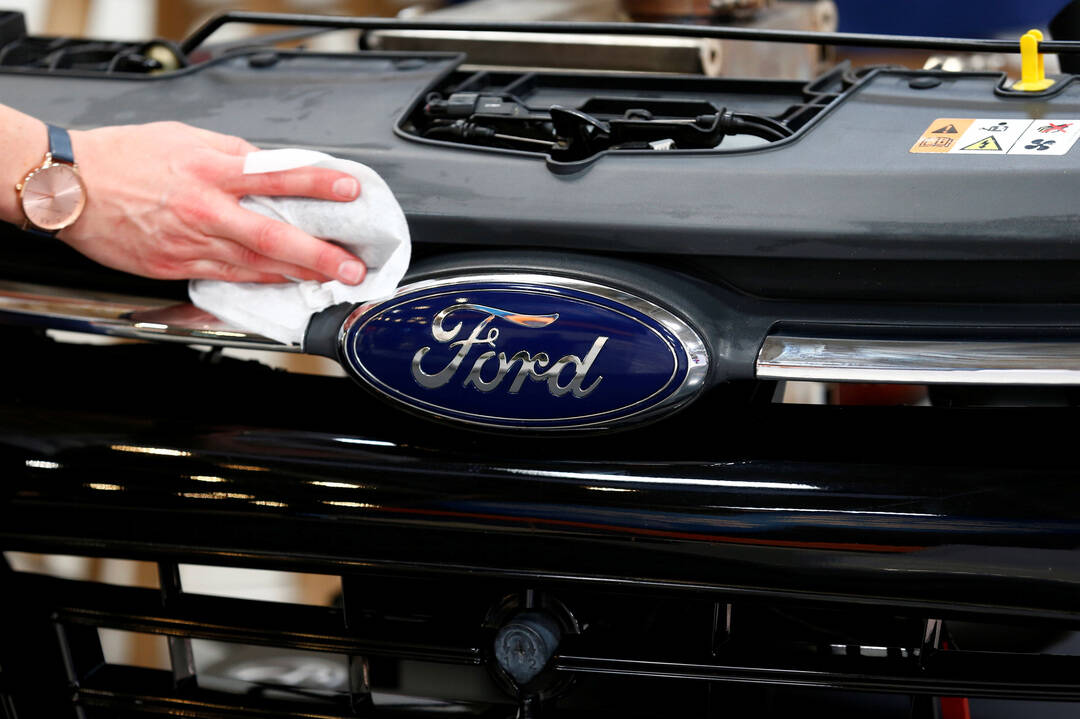
Ford to spend ₹1.77 lakh crore to cancel EV models; shift back to ICE, hybrid cars
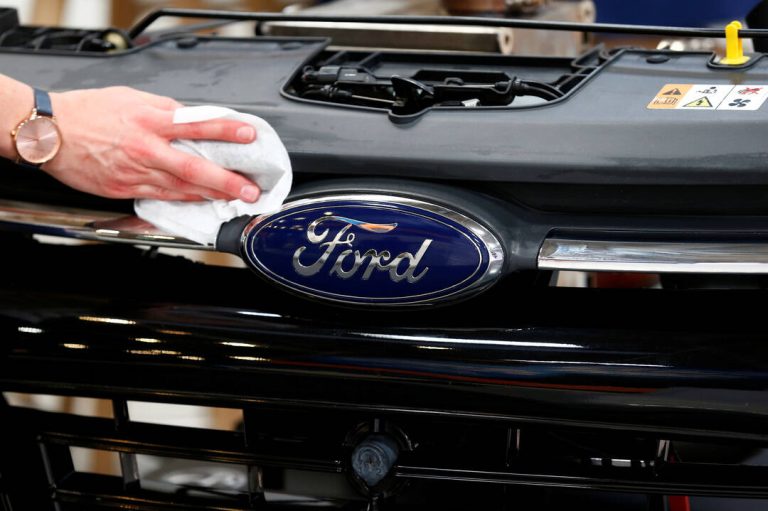
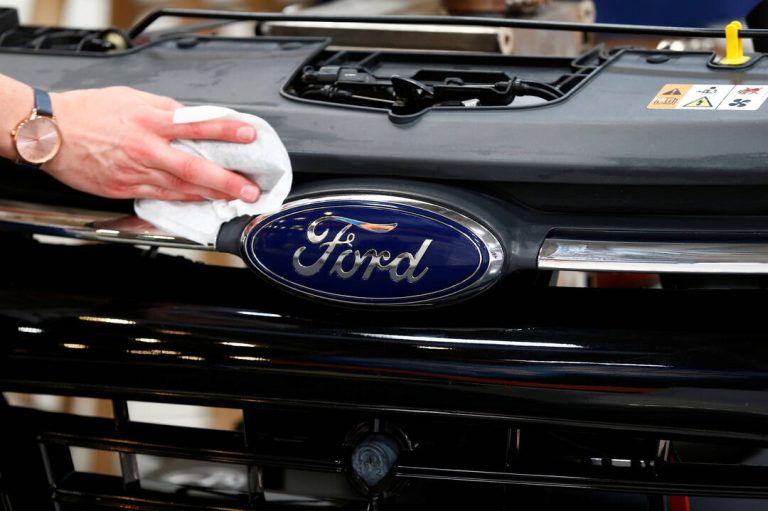
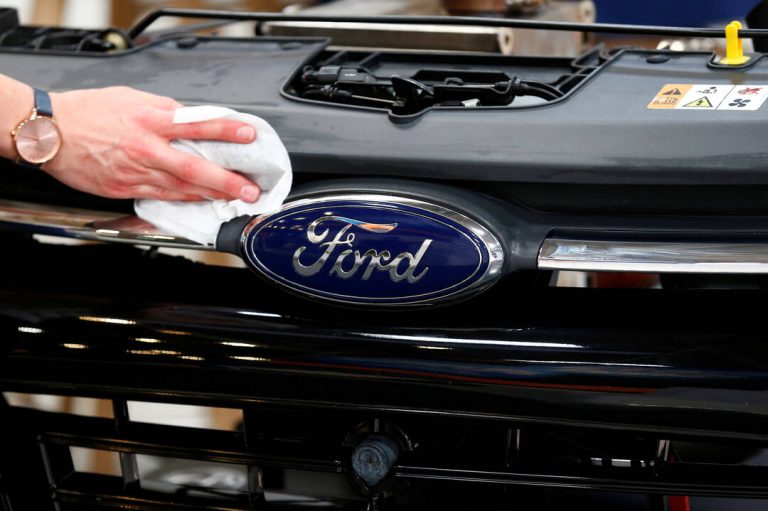
In a shocking turn of events, Ford has announced a massive $19.5-billion (about ₹1.77 lakh crore) charge on electric-vehicle investments, marking a significant shift in the company’s strategy. This move comes as a surprise to many, as the automotive industry has been increasingly moving towards electric vehicles (EVs) in recent years. However, Ford’s decision to cancel several EV models and shift its focus back to internal combustion engine (ICE) and hybrid cars has raised eyebrows.
According to the announcement, $8.5 billion of the charge is tied to costs associated with killing future EV models. This suggests that Ford has been re-evaluating its EV lineup and has decided to cancel several models that were in development. This move is likely to impact the company’s plans to launch new EVs in the market, at least in the short term.
Another significant portion of the charge, about $6 billion, is tied to a now-cancelled battery operation joint venture (JV) with South Korea’s SK On. This JV was announced last year, with the goal of developing and manufacturing battery cells for Ford’s EVs. However, it seems that the partnership has not worked out as planned, and Ford has decided to cancel the JV.
Perhaps the most significant aspect of Ford’s announcement is the conversion of its flagship electric truck-manufacturing factory in Tennessee to produce models with ICE and hybrid engines. This factory was specifically designed to produce electric vehicles, and the decision to convert it to produce ICE and hybrid models is a clear indication of the company’s shift in strategy.
So, what does this mean for the future of Ford’s EV plans? It’s clear that the company is taking a step back and re-evaluating its approach to electric vehicles. While Ford has not completely abandoned its EV plans, it’s likely that the company will be more cautious in its approach going forward.
There are several reasons why Ford may have decided to shift its focus away from EVs. One possible reason is the high cost of developing and producing electric vehicles. While EVs have been gaining popularity in recent years, they are still more expensive to produce than traditional ICE vehicles. This has made it challenging for automakers to make a profit on EVs, at least in the short term.
Another reason why Ford may have decided to shift its focus away from EVs is the lack of demand for these vehicles. While there is a growing market for EVs, it’s still a relatively small segment of the overall automotive market. This has made it challenging for automakers to justify the high costs of developing and producing EVs.
Despite these challenges, many experts believe that EVs are the future of the automotive industry. With governments around the world implementing stricter emissions regulations, automakers are under pressure to reduce their carbon footprint. EVs offer a cleaner and more sustainable alternative to traditional ICE vehicles, and many experts believe that they will eventually become the dominant form of transportation.
In conclusion, Ford’s decision to cancel several EV models and shift its focus back to ICE and hybrid cars is a significant development in the automotive industry. While this move may seem counterintuitive, given the growing trend towards EVs, it’s likely that Ford is simply taking a step back and re-evaluating its approach to electric vehicles. As the industry continues to evolve, it will be interesting to see how Ford’s strategy plays out and how other automakers respond to the changing market.
News Source: https://www.reuters.com/business/autos-transportation/fords-195-billion-ev-writedown-five-things-know-2025-12-16/
About the Author