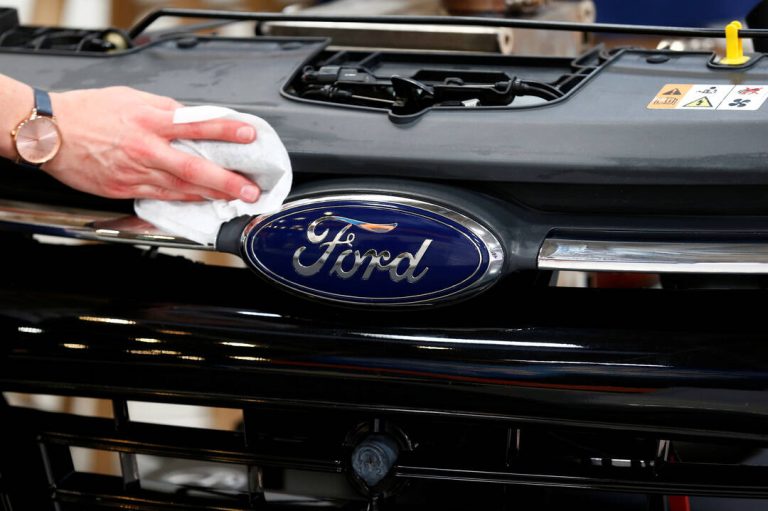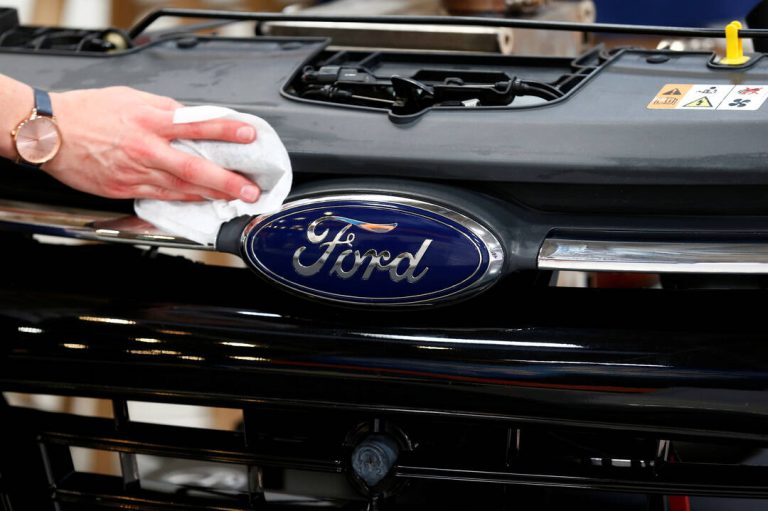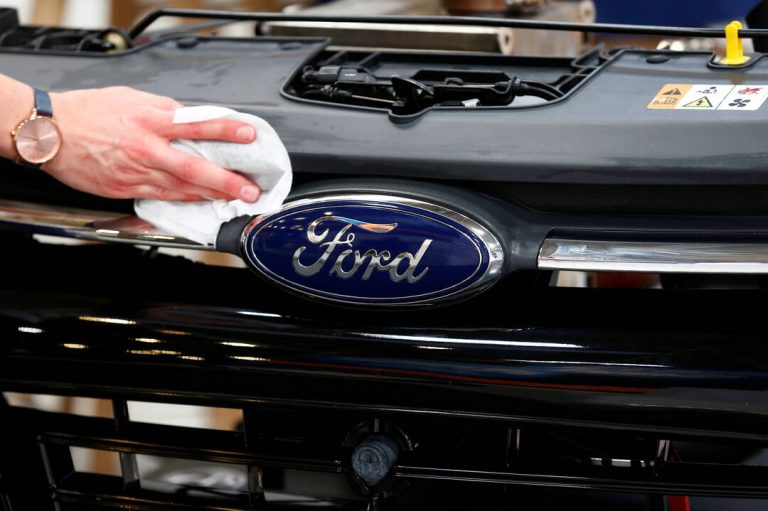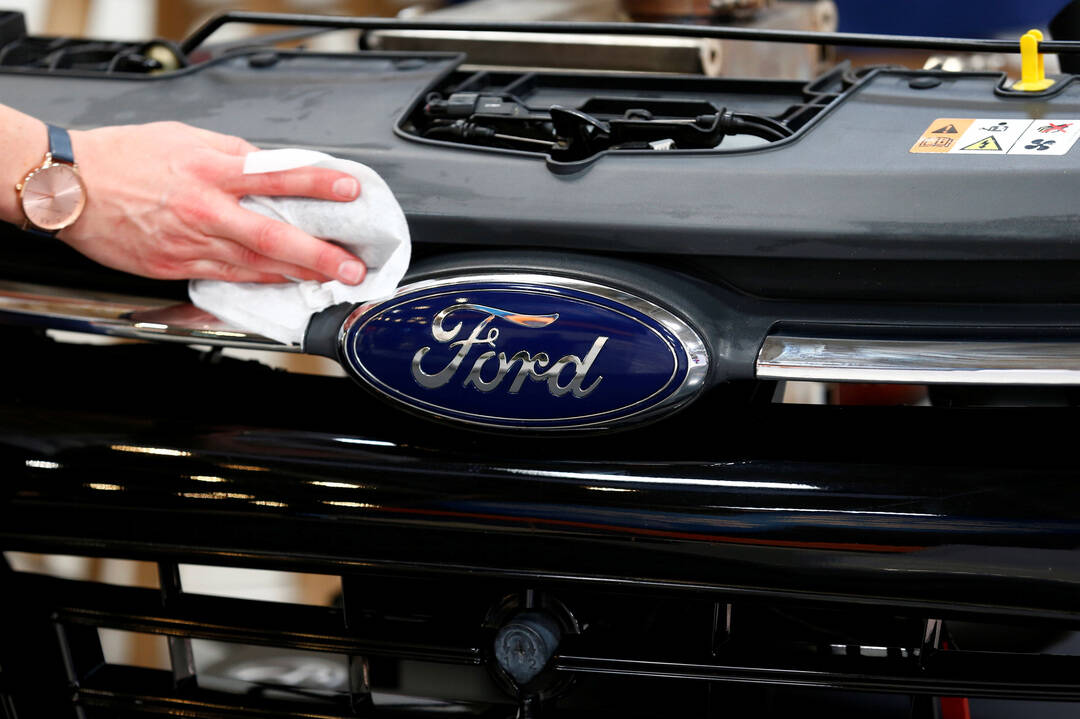
Ford to spend ₹1.77 lakh crore to cancel EV models; shift back to ICE, hybrid cars
In a shocking move, Ford has announced that it will be taking a massive $19.5-billion (approximately ₹1.77 lakh crore) charge on its electric-vehicle investments. This decision comes as a surprise to many, as the automotive industry has been shifting towards electric vehicles (EVs) in recent years. However, it appears that Ford is taking a step back from its EV ambitions, and instead, will be focusing on producing models with internal combustion engines (ICE) and hybrid engines.
According to reports, $8.5 billion of the charge is tied to costs associated with killing future EV models. This means that Ford has essentially canceled its plans to produce several electric vehicles that were in the pipeline. This decision is likely to have a significant impact on the company’s product lineup and its overall strategy in the automotive market.
Another significant portion of the charge, about $6 billion, is tied to a now-cancelled battery operation joint venture (JV) with South Korea’s SK On. This JV was established to develop and produce battery cells for Ford’s electric vehicles. However, with Ford’s shift in focus away from EVs, the JV is no longer necessary, and the company is taking a significant write-down on its investment.
But that’s not all – Ford is also converting its flagship electric truck-manufacturing factory in Tennessee to produce models with ICE and hybrid engines. This factory was specifically designed to produce electric vehicles, and the conversion will likely require significant investments in new equipment and manufacturing processes. The decision to convert this factory is a clear indication that Ford is committed to producing vehicles with traditional powertrains, at least for the foreseeable future.
This move by Ford raises several questions about the company’s strategy and the future of the automotive industry. Just a few years ago, it seemed like electric vehicles were the way forward, with many manufacturers investing heavily in EV technology. However, with Ford’s decision to shift back to ICE and hybrid engines, it appears that the industry may be taking a step back from its EV ambitions.
There are several possible reasons why Ford may have made this decision. One possibility is that the company has realized that the demand for electric vehicles is not as strong as it had anticipated. Despite the hype surrounding EVs, many consumers are still hesitant to adopt this technology, citing concerns about range anxiety, charging infrastructure, and higher upfront costs.
Another possibility is that Ford has determined that the cost of producing electric vehicles is too high, at least for now. Developing and producing EVs requires significant investments in new technology, manufacturing processes, and supply chains. With the current state of the economy and the automotive industry, it’s possible that Ford has decided that it’s not feasible to continue investing in EVs at the same level.
Whatever the reason, Ford’s decision to cancel its EV models and shift back to ICE and hybrid engines is likely to have a significant impact on the automotive industry. Other manufacturers may take note of Ford’s decision and reassess their own EV strategies. This could lead to a slowdown in the adoption of electric vehicles, at least in the short term.
In conclusion, Ford’s decision to spend ₹1.77 lakh crore to cancel its EV models and shift back to ICE and hybrid engines is a significant development in the automotive industry. While it’s unclear what the long-term implications of this decision will be, it’s clear that Ford is taking a step back from its EV ambitions and focusing on traditional powertrains. As the industry continues to evolve, it will be interesting to see how other manufacturers respond to Ford’s decision and how the market for electric vehicles develops in the coming years.
News Source: https://www.reuters.com/business/autos-transportation/fords-195-billion-ev-writedown-five-things-know-2025-12-16/
About the Author