Ford to spend ₹1.77 lakh crore to cancel EV models; shift back to ICE, hybrid cars
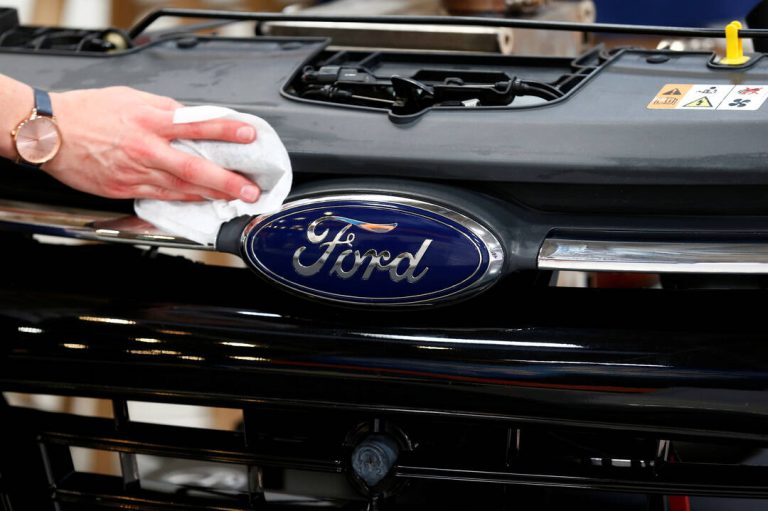
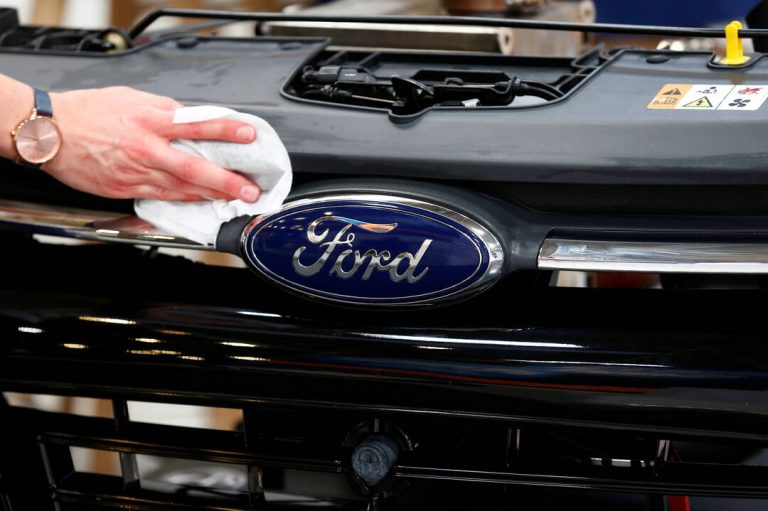
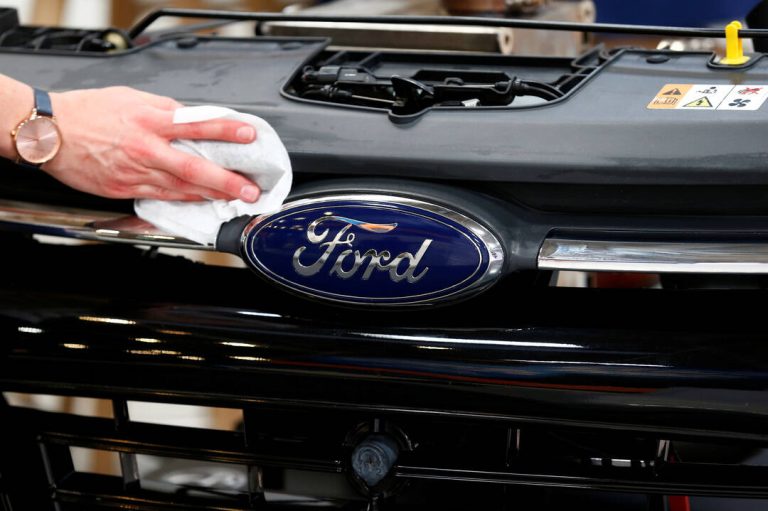
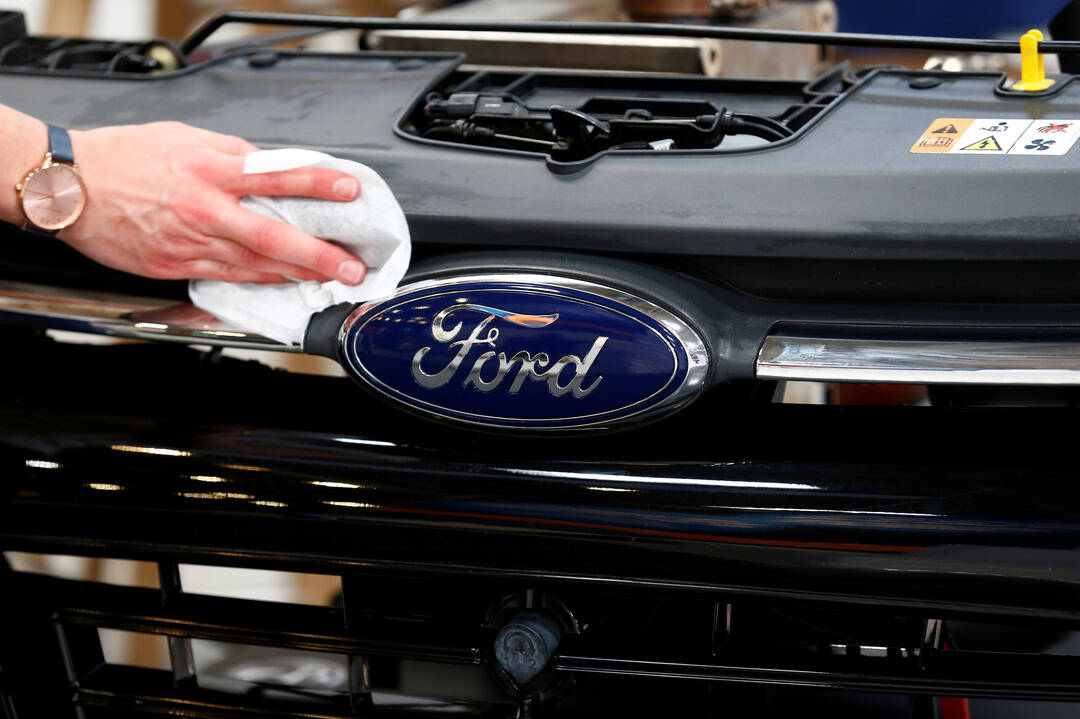
In a shocking move, Ford has announced a massive $19.5-billion (approximately ₹1.77 lakh crore) charge on its electric-vehicle investments. This decision comes as a significant blow to the company’s efforts to transition to electric vehicles (EVs) and marks a major shift in its strategy. Out of the total charge, $8.5 billion is tied to costs associated with killing future EV models, while about $6 billion is linked to a now-cancelled battery operation joint venture (JV) with South Korea’s SK On.
This drastic change in direction has left many in the automotive industry stunned, as Ford had previously been committed to investing heavily in EV technology. The company had planned to launch several new EV models in the coming years, but it seems that those plans have now been scrapped. Instead, Ford will be focusing on producing models with internal combustion engines (ICE) and hybrid engines.
One of the most significant consequences of this decision is the conversion of Ford’s flagship electric truck-manufacturing factory in Tennessee. The factory, which was initially designed to produce EVs, will now be repurposed to manufacture models with ICE and hybrid engines. This move is expected to have a significant impact on the company’s production capabilities and will likely result in job losses for workers who were employed to work on EV production.
The decision to cancel EV models and shift back to ICE and hybrid cars is a major reversal of Ford’s previous strategy. The company had been investing heavily in EV technology, with plans to launch several new models in the coming years. However, it seems that those plans have now been put on hold, and the company is instead focusing on producing more traditional vehicles.
This change in direction is likely to have significant implications for the automotive industry as a whole. Ford is one of the largest automakers in the world, and its decision to shift away from EVs is likely to have a ripple effect on other companies. Many experts had predicted that EVs would become the dominant form of transportation in the coming years, but Ford’s decision suggests that this may not be the case.
There are several possible reasons why Ford may have decided to cancel its EV models and shift back to ICE and hybrid cars. One possibility is that the company may have become concerned about the high costs associated with producing EVs. EVs are typically more expensive to produce than traditional vehicles, and Ford may have decided that the costs were not justified by the potential benefits.
Another possibility is that Ford may have become concerned about the lack of demand for EVs. Despite the hype surrounding EVs, many consumers have been slow to adopt the technology. This may have led Ford to conclude that there is not enough demand to justify the investment in EV technology.
Whatever the reason, Ford’s decision to cancel its EV models and shift back to ICE and hybrid cars is a significant development in the automotive industry. It remains to be seen how other companies will respond to this move, but it is likely to have a major impact on the industry as a whole.
In conclusion, Ford’s decision to spend ₹1.77 lakh crore to cancel EV models and shift back to ICE and hybrid cars is a shocking move that has significant implications for the automotive industry. The company’s decision to convert its flagship electric truck-manufacturing factory in Tennessee to produce models with ICE and hybrid engines is a major reversal of its previous strategy, and it remains to be seen how this will affect the company’s production capabilities and workforce.
As the automotive industry continues to evolve, it will be interesting to see how other companies respond to Ford’s decision. Will they follow suit and shift away from EVs, or will they continue to invest in the technology? Only time will tell, but one thing is certain: Ford’s decision is a significant development that will have far-reaching consequences for the industry.
About the Author