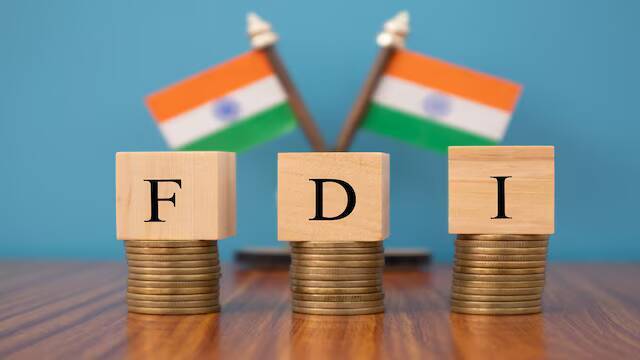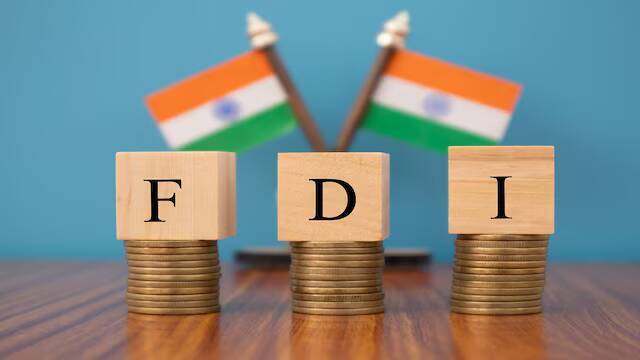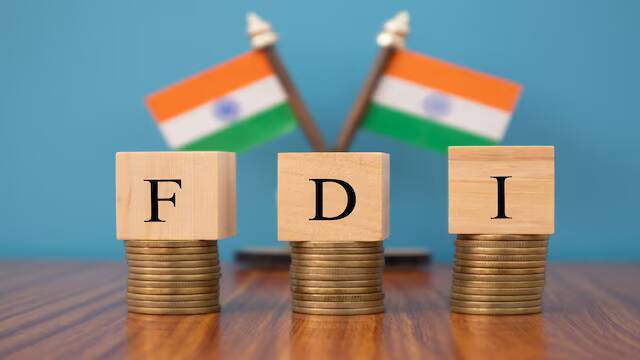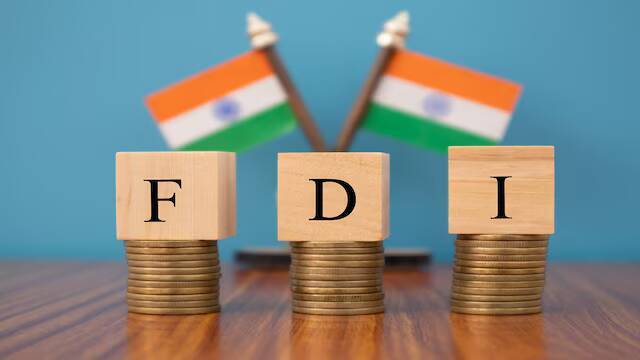
FDI inflows to India surge by 73% to $47 billion in 2025
The Indian economy has been on a growth trajectory, with various sectors experiencing significant expansion and development. One key indicator of this growth is the inflow of Foreign Direct Investment (FDI), which has been steadily increasing over the years. According to a recent report by the UN Trade and Development, the FDI inflows to India surged by 73% in 2025, bringing in a whopping $47 billion. This significant increase is a testament to India’s growing appeal as a destination for foreign investment, driven by large investments in services like finance and IT, as well as manufacturing.
The report highlights the impressive growth of FDI in India, which has been driven by a combination of factors, including government policies, infrastructure development, and a skilled workforce. The services sector, in particular, has been a major draw for foreign investors, with finance and IT being the most attractive sectors. The growth of the digital economy, coupled with the government’s initiatives to promote digital payments and financial inclusion, has created a favorable environment for foreign investors to invest in the finance sector. Similarly, the IT sector has been a major beneficiary of FDI, with many global companies setting up their operations in India to take advantage of the country’s skilled workforce and favorable business environment.
Manufacturing has also been a significant sector for FDI in India, with many foreign companies investing in the country’s manufacturing capabilities. The government’s “Make in India” initiative, launched in 2014, has been instrumental in promoting India as a manufacturing hub, with a focus on sectors like automotive, aerospace, and electronics. The initiative has led to the creation of several manufacturing clusters and special economic zones, which have attracted significant foreign investment.
The surge in FDI inflows to India is also a reflection of the country’s improving business environment. The government has implemented various reforms aimed at simplifying procedures and reducing bureaucratic hurdles, making it easier for foreign investors to set up and operate in India. The introduction of the Goods and Services Tax (GST) has also helped to create a more streamlined and efficient tax system, which has been a major draw for foreign investors.
In contrast, FDI inflows to China declined for the third consecutive year, falling by 8%. This decline is attributed to a combination of factors, including a slowing economy, rising labor costs, and increasing competition from other emerging markets. The decline in FDI inflows to China has created an opportunity for other countries, including India, to attract foreign investment and become a major player in the global economy.
The implications of the surge in FDI inflows to India are significant. The increased investment is expected to create new jobs, stimulate economic growth, and promote development in various sectors. The growth of the services sector, in particular, is expected to have a positive impact on the economy, as it has the potential to create high-skilled jobs and promote innovation. The manufacturing sector is also expected to benefit from the increased investment, with the potential to create new opportunities for exports and stimulate economic growth.
The Indian government has welcomed the surge in FDI inflows, with officials attributing the growth to the country’s favorable business environment and attractive investment opportunities. The government has also announced plans to further simplify procedures and reduce bureaucratic hurdles, with the aim of attracting even more foreign investment in the future.
In conclusion, the surge in FDI inflows to India is a significant development that reflects the country’s growing appeal as a destination for foreign investment. The growth of the services sector, manufacturing, and other sectors has created a favorable environment for foreign investors, and the government’s initiatives to promote investment and simplify procedures have been instrumental in attracting foreign investment. As the Indian economy continues to grow and develop, it is likely that FDI inflows will continue to play a major role in shaping the country’s economic landscape.
Source: https://www.ndtvprofit.com/economy/indias-fdi-inflows-surge-74-to-47-billion-un-data-10864485/amp/1
About the Author