FDI inflows to India surge by 73% to $47 billion in 2025
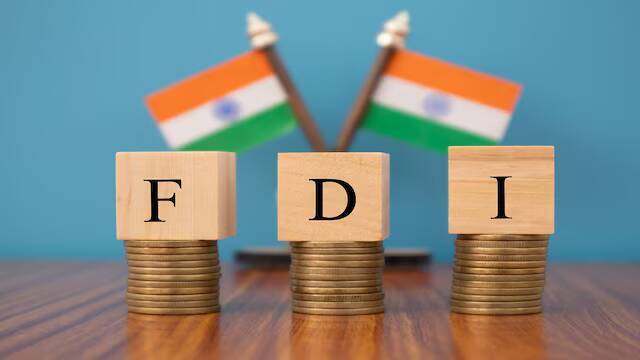
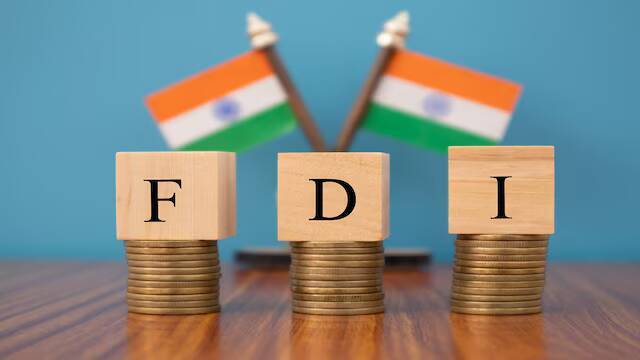
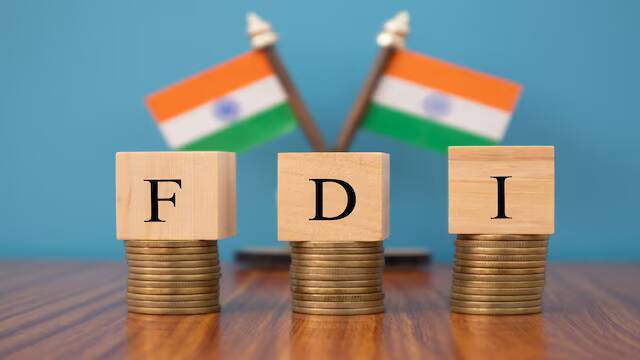
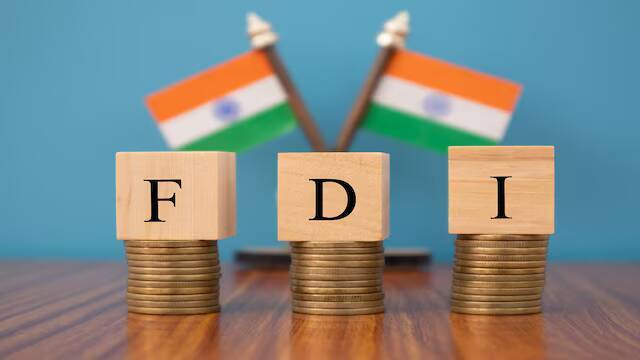
The Indian economy has received a significant boost with the inflow of Foreign Direct Investment (FDI) surging by 73% to $47 billion in 2025, according to a report by the UN Trade and Development. This substantial increase is a testament to the country’s growing appeal as a destination for foreign investors, driven by large investments in services like finance and IT as well as manufacturing. In contrast, FDI inflows to China declined for the third consecutive year, falling by 8%.
The significant increase in FDI inflows to India can be attributed to the government’s efforts to improve the business environment and make the country more attractive to foreign investors. The introduction of various policy initiatives, such as the Make in India program, has helped to promote investment in key sectors like manufacturing, infrastructure, and services. Additionally, the government’s push for digitalization and the growth of the IT sector have made India an attractive destination for foreign investors looking to tap into the country’s vast talent pool and growing consumer market.
The services sector, which includes finance, IT, and other business services, was the largest recipient of FDI inflows, accounting for a significant share of the total investment. The sector has been a major driver of growth in the Indian economy, with many foreign companies setting up operations in the country to take advantage of the skilled workforce and favorable business environment. The growth of the IT sector, in particular, has been impressive, with many global companies setting up software development centers, IT parks, and other facilities in India.
Manufacturing was another sector that saw significant investment, with many foreign companies setting up production facilities in India to take advantage of the country’s large market and favorable business environment. The government’s Make in India program, which aims to promote investment in the manufacturing sector, has been instrumental in attracting foreign investors to the country. The program has helped to improve the business environment, simplify regulatory procedures, and provide incentives for investment in key sectors like textiles, pharmaceuticals, and automotive.
The decline in FDI inflows to China, on the other hand, is a reflection of the country’s slowing economy and increasing competition from other emerging markets. The Chinese economy has been facing significant challenges in recent years, including a slowdown in growth, rising debt levels, and increasing trade tensions with the US. Additionally, the country’s business environment has become less attractive to foreign investors due to increasing regulatory hurdles, corruption, and intellectual property concerns.
The surge in FDI inflows to India is expected to have a positive impact on the country’s economy, with the potential to create new jobs, stimulate growth, and increase competitiveness. The investment is also expected to help bridge the country’s infrastructure gap, with many foreign companies investing in key sectors like transportation, energy, and telecommunications. Furthermore, the growth of the services sector is expected to drive innovation and entrepreneurship, with many startups and small businesses emerging in areas like e-commerce, fintech, and healthcare.
However, despite the positive trends, there are still challenges that need to be addressed to sustain the growth in FDI inflows. The government needs to continue to improve the business environment, simplify regulatory procedures, and provide incentives for investment in key sectors. Additionally, the country needs to address issues like corruption, intellectual property concerns, and infrastructure gaps to make it more attractive to foreign investors.
In conclusion, the surge in FDI inflows to India is a significant development that reflects the country’s growing appeal as a destination for foreign investors. The government’s efforts to improve the business environment and promote investment in key sectors have paid off, with the services sector and manufacturing being the largest recipients of FDI inflows. However, there are still challenges that need to be addressed to sustain the growth in FDI inflows and make India a more attractive destination for foreign investors.
As the Indian economy continues to grow and evolve, it is likely that FDI inflows will play an increasingly important role in driving growth, innovation, and job creation. The government needs to continue to work towards creating a favorable business environment, promoting investment in key sectors, and addressing the challenges that still exist. With the right policies and initiatives in place, India has the potential to become one of the leading destinations for foreign investment in the world.
News Source: https://www.ndtvprofit.com/economy/indias-fdi-inflows-surge-74-to-47-billion-un-data-10864485/amp/1
About the Author