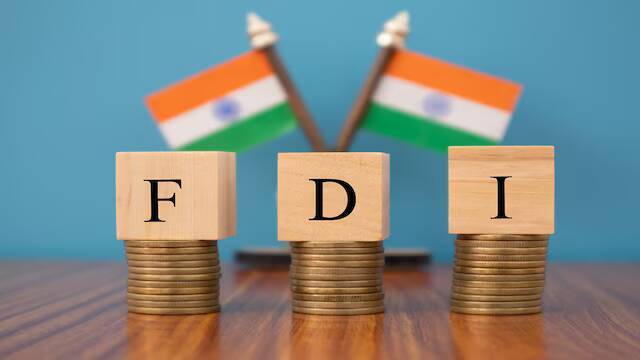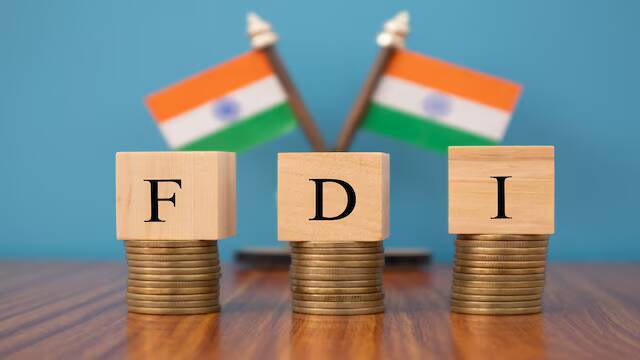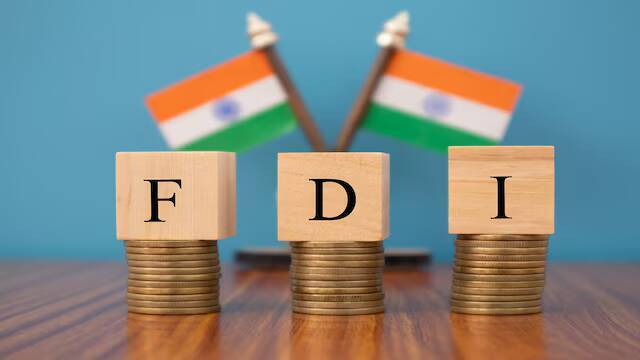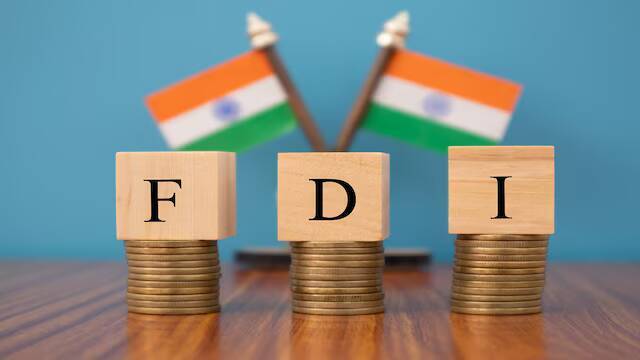
FDI inflows to India surge by 73% to $47 billion in 2025
The Indian economy has received a significant boost with the inflow of Foreign Direct Investment (FDI) surging by 73% to $47 billion in 2025, according to a report by the UN Trade and Development. This remarkable increase in FDI inflows is a testament to the country’s growing appeal as a investment destination, driven by large investments in services like finance and IT, as well as manufacturing.
The report highlights that the increase in FDI inflows to India was largely driven by the government’s efforts to improve the business environment and attract foreign investment. The Indian government has been actively promoting the country as a hub for foreign investment, with initiatives such as the “Make in India” campaign, which aims to promote manufacturing and job creation in the country.
The services sector, including finance and IT, was a major contributor to the increase in FDI inflows, with many foreign companies setting up operations in India to take advantage of the country’s skilled workforce and favorable business environment. The manufacturing sector also saw significant investments, with many foreign companies setting up production facilities in India to cater to the domestic market and export to other countries.
On the other hand, the FDI inflows to China declined for the third consecutive year, falling by 8%. This decline is attributed to a number of factors, including the ongoing trade tensions between China and the US, as well as the country’s slowing economic growth. The decline in FDI inflows to China is a significant development, as China has been one of the largest recipients of FDI in recent years.
The surge in FDI inflows to India is expected to have a positive impact on the country’s economy, with the potential to create new jobs, stimulate economic growth, and increase competitiveness. The Indian government has set a target of attracting $100 billion in FDI inflows over the next two years, and the latest figures suggest that the country is well on track to achieving this goal.
The increase in FDI inflows to India is also expected to have a positive impact on the country’s infrastructure development, with many foreign companies investing in areas such as transportation, energy, and telecommunications. The government has also been actively promoting the development of special economic zones (SEZs) and industrial corridors, which are expected to attract significant foreign investment in the coming years.
In terms of the sectors that attracted the most FDI inflows, the report highlights that the services sector, including finance and IT, was the largest recipient of FDI inflows, followed by the manufacturing sector. The pharmaceuticals sector also saw significant investments, with many foreign companies setting up operations in India to take advantage of the country’s skilled workforce and favorable business environment.
The surge in FDI inflows to India is also expected to have a positive impact on the country’s trade deficit, with the potential to reduce the country’s reliance on imports and increase exports. The government has been actively promoting the development of export-oriented industries, such as textiles and leather, which are expected to attract significant foreign investment in the coming years.
In conclusion, the surge in FDI inflows to India is a significant development, with the potential to have a positive impact on the country’s economy, infrastructure development, and trade deficit. The government’s efforts to improve the business environment and attract foreign investment have paid off, with the country emerging as a major destination for foreign investment. As the Indian economy continues to grow and develop, it is likely that the country will attract even more foreign investment in the coming years, driving economic growth and job creation.
The report by the UN Trade and Development is a testament to the fact that India is emerging as a major player in the global economy, with the potential to attract significant foreign investment in the coming years. The government’s initiatives to promote the country as a hub for foreign investment, such as the “Make in India” campaign, have been successful in attracting foreign companies to set up operations in India.
As the Indian economy continues to grow and develop, it is likely that the country will face increasing competition from other emerging markets, such as China and Brazil. However, the government’s efforts to improve the business environment and attract foreign investment have given India a competitive edge, with the potential to attract even more foreign investment in the coming years.
In the coming years, it is likely that the Indian government will continue to promote the country as a hub for foreign investment, with initiatives such as the “Make in India” campaign and the development of SEZs and industrial corridors. The government will also need to continue to improve the business environment, with initiatives such as simplifying regulatory procedures and reducing bureaucratic hurdles.
Overall, the surge in FDI inflows to India is a significant development, with the potential to have a positive impact on the country’s economy, infrastructure development, and trade deficit. As the Indian economy continues to grow and develop, it is likely that the country will attract even more foreign investment in the coming years, driving economic growth and job creation.
News Source: https://www.ndtvprofit.com/economy/indias-fdi-inflows-surge-74-to-47-billion-un-data-10864485/amp/1
About the Author