Farmers to hold nationwide protests over India-US trade deal on Feb 12
The agricultural sector in India has been a topic of discussion for quite some time now, with the government’s recent trade agreements with other countries causing a stir among farmers. The latest development in this regard is the India-US trade deal, which has been met with widespread criticism from farmers’ organizations across the country. The Samyukt Kisan Morcha (SKM) and the All India Kisan Sabha (AIKS), along with several other farmers’ organizations, have announced plans to stage nationwide protests on February 12 against the deal.
The SKM, which is an umbrella organization of various farmers’ groups, has termed the interim deal as a “total surrender” of India’s agriculture and farmers to American MNCs. The organization has been vocal about its opposition to the deal, claiming that it will have a devastating impact on the country’s agricultural sector. The SKM has also demanded the resignation of Union Minister Piyush Goyal, who has been at the forefront of negotiating the trade deal with the US.
The India-US trade deal has been in the works for several months now, with both countries engaging in intense negotiations to reach a mutually beneficial agreement. However, the deal has been met with resistance from farmers’ organizations, who claim that it will lead to the flooding of the Indian market with cheap American agricultural produce. This, they argue, will have a disastrous impact on the livelihoods of Indian farmers, who are already struggling to make ends meet.
One of the main concerns of the farmers is that the deal will allow American companies to dump their surplus produce in the Indian market, thereby undercutting the prices of Indian farmers. This, they claim, will lead to a situation where Indian farmers will be forced to sell their produce at rock-bottom prices, making it impossible for them to sustain their livelihoods. The farmers are also concerned that the deal will lead to the influx of genetically modified (GM) crops, which they claim will have a negative impact on the country’s biodiversity and ecosystem.
The SKM has been demanding that the government should engage in a broader consultation with farmers’ organizations before signing any trade deal. The organization has also been demanding that the government should ensure that the interests of Indian farmers are protected in any trade agreement. However, the government has so far refused to engage with the farmers, claiming that the deal is in the best interests of the country.
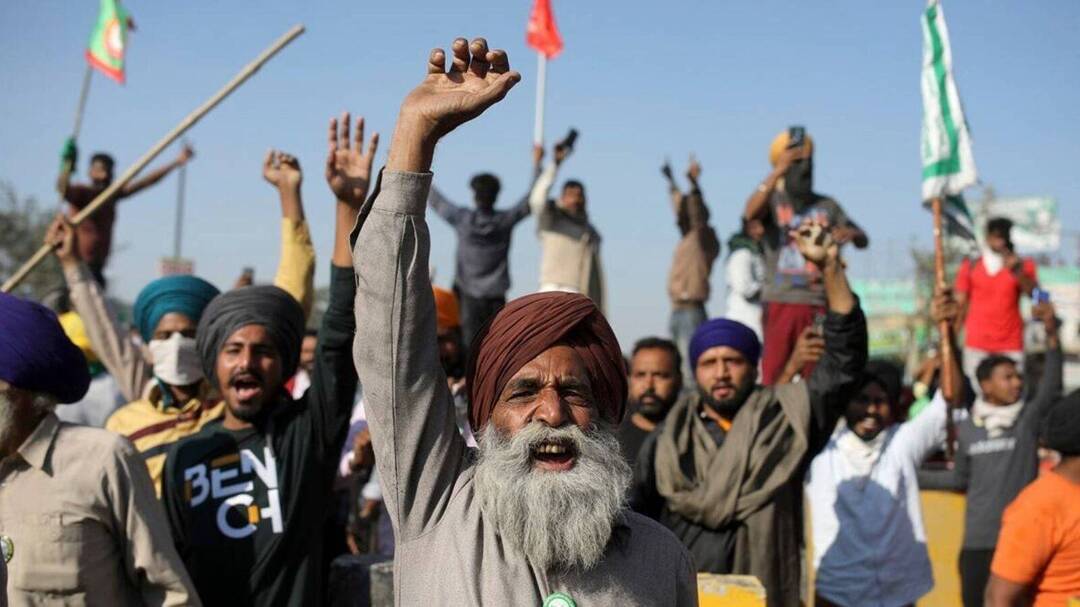
The nationwide protests on February 12 are expected to be a major show of strength by the farmers’ organizations. The protests will be held in cities and towns across the country, with thousands of farmers expected to participate. The SKM has also called upon other organizations, including trade unions and civil society groups, to join the protests.
The India-US trade deal has also been criticized by other organizations, including the Communist Party of India (Marxist) and the All India Democratic Women’s Association. These organizations have termed the deal as a “betrayal” of the country’s agricultural sector and have demanded that the government should withdraw from the agreement.
In a statement, the AIKS has said that the India-US trade deal is a “dangerous” agreement that will have far-reaching consequences for the country’s agricultural sector. The organization has also demanded that the government should ensure that the interests of Indian farmers are protected in any trade agreement.
The nationwide protests on February 12 are expected to be a major challenge for the government, which has so far refused to engage with the farmers. The government will have to take the concerns of the farmers seriously and engage in a broader consultation with them before signing any trade deal. The protests are also expected to have a major impact on the country’s agricultural sector, with the outcome likely to determine the course of the sector in the coming years.
In conclusion, the India-US trade deal has been met with widespread criticism from farmers’ organizations across the country. The deal has been termed as a “total surrender” of India’s agriculture and farmers to American MNCs, and has been criticized for its potential impact on the country’s agricultural sector. The nationwide protests on February 12 are expected to be a major show of strength by the farmers’ organizations, and the government will have to take the concerns of the farmers seriously and engage in a broader consultation with them before signing any trade deal.
About the Author