Farmers to hold nationwide protests over India-US trade deal on Feb 12
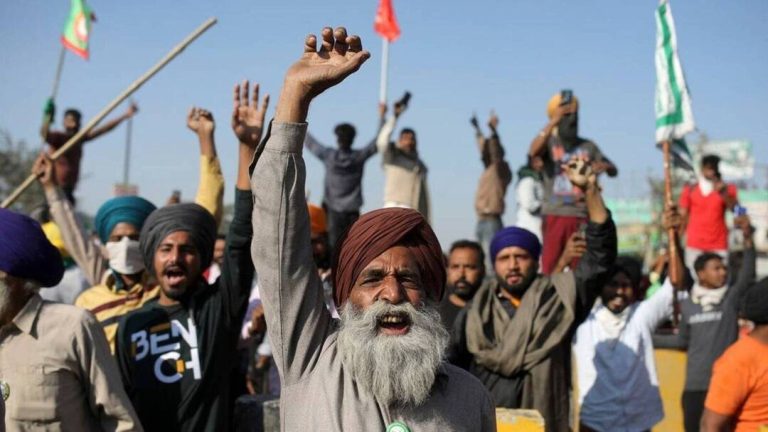
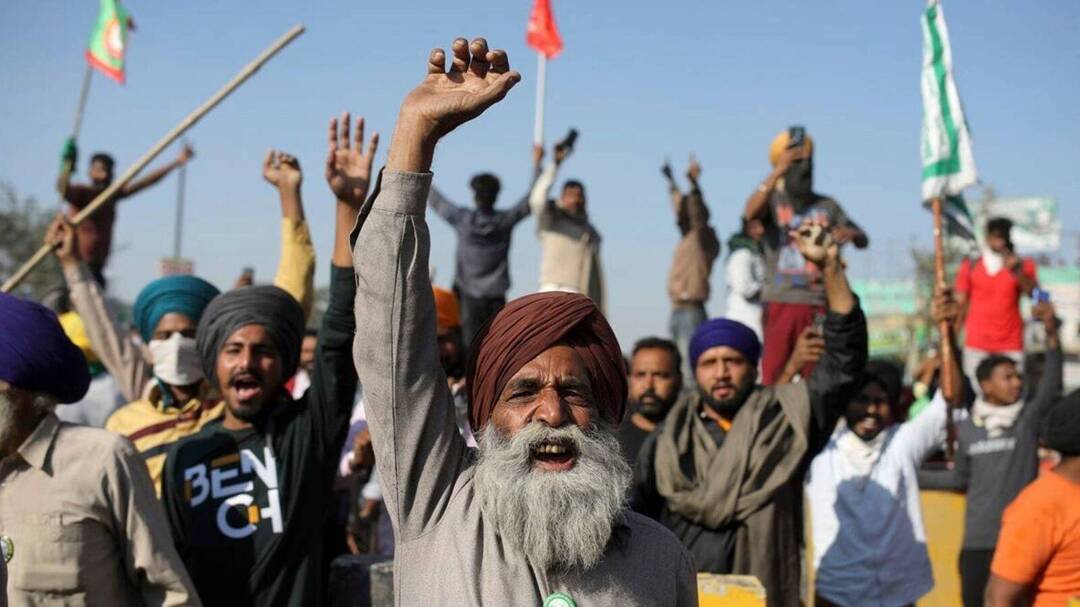
The Indian farming community is once again gearing up to take to the streets to express their discontent with the government’s policies. This time, the issue at hand is the recently announced India-US trade deal, which has been met with widespread criticism from farmers’ organizations across the country. The Samyukt Kisan Morcha (SKM) and the All India Kisan Sabha (AIKS), along with several other farmers’ organizations, have announced plans to stage nationwide protests on February 12 against the deal.
The SKM, which is a coalition of various farmers’ organizations, has termed the interim deal as a “total surrender” of India’s agriculture and farmers to American MNCs. The organization has been vocal in its opposition to the deal, which it claims will have far-reaching and devastating consequences for the Indian farming community. The SKM has also demanded the resignation of Union Minister Piyush Goyal, who has been instrumental in negotiating the deal.
The India-US trade deal, which was announced recently, aims to increase trade between the two countries by reducing tariffs and other trade barriers. However, the deal has been criticized by farmers’ organizations, who claim that it will lead to the flooding of the Indian market with cheap American agricultural products, thereby threatening the livelihoods of Indian farmers. The deal is also seen as a threat to India’s food security, as it will allow American companies to dominate the Indian agricultural market.
The SKM and other farmers’ organizations have been protesting against the deal for several weeks now, but the February 12 protest is expected to be one of the largest and most widespread protests yet. The protest will be held in cities and towns across the country, and is expected to draw thousands of farmers and their supporters. The protesters will be demanding that the government scrap the deal and instead focus on implementing policies that benefit the Indian farming community.
The AIKS, which is one of the largest farmers’ organizations in the country, has also come out strongly against the deal. The organization has termed the deal as a “betrayal” of the Indian farming community, and has demanded that the government take immediate action to protect the interests of Indian farmers. The AIKS has also accused the government of succumbing to pressure from American corporations and ignoring the concerns of Indian farmers.
The protests against the India-US trade deal are not limited to farmers’ organizations alone. Several other organizations, including trade unions and civil society groups, have also come out in support of the protests. These organizations have accused the government of prioritizing the interests of American corporations over those of Indian farmers and workers.
The government, on the other hand, has defended the deal, saying that it will benefit Indian farmers and increase trade between the two countries. However, the government’s assurances have failed to convince the farmers’ organizations, who remain skeptical about the deal’s benefits.
The February 12 protest is expected to be a major test of the government’s resolve to push through the deal, despite opposition from farmers’ organizations. The protest is also expected to draw attention to the plight of Indian farmers, who have been struggling to make ends meet due to low prices, high input costs, and lack of government support.
In recent years, the Indian farming community has been facing numerous challenges, including drought, floods, and crop failures. The government’s policies, including the introduction of the Goods and Services Tax (GST) and the implementation of the National Agriculture Market (eNAM), have also been criticized by farmers’ organizations.
The India-US trade deal has added to the sense of insecurity and uncertainty among Indian farmers. The deal has been criticized for its lack of transparency and its potential to harm the interests of Indian farmers. The deal’s provisions, including the reduction of tariffs on American agricultural products, have been seen as a threat to the livelihoods of Indian farmers.
The SKM and other farmers’ organizations have been demanding that the government scrap the deal and instead focus on implementing policies that benefit the Indian farming community. The organizations have also demanded that the government provide adequate support to farmers, including minimum support prices, input subsidies, and crop insurance.
As the February 12 protest approaches, the government is under increasing pressure to respond to the concerns of farmers’ organizations. The government has been accused of ignoring the concerns of Indian farmers and prioritizing the interests of American corporations. The protest is expected to be a major challenge for the government, which will have to balance the interests of Indian farmers with those of American corporations.
In conclusion, the India-US trade deal has sparked widespread protests among farmers’ organizations in India. The deal has been criticized for its potential to harm the interests of Indian farmers and threaten the country’s food security. The SKM and other farmers’ organizations have announced plans to stage nationwide protests on February 12 against the deal, and have demanded that the government scrap the deal and instead focus on implementing policies that benefit the Indian farming community. As the protest approaches, the government is under increasing pressure to respond to the concerns of farmers’ organizations and protect the interests of Indian farmers.
About the Author