Farmers to hold nationwide protests over India-US trade deal on Feb 12
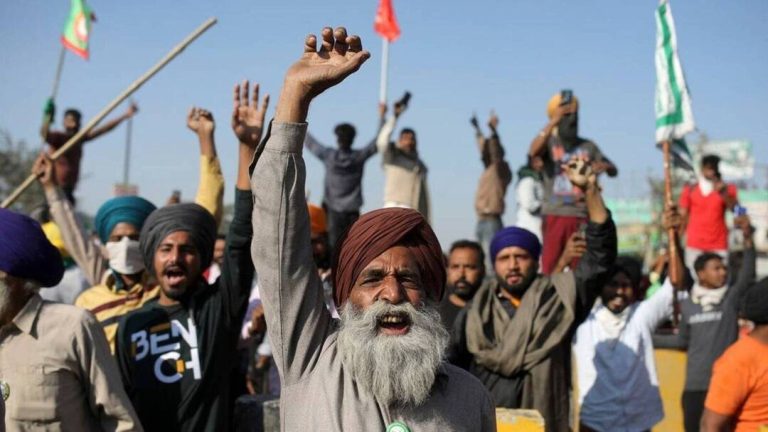
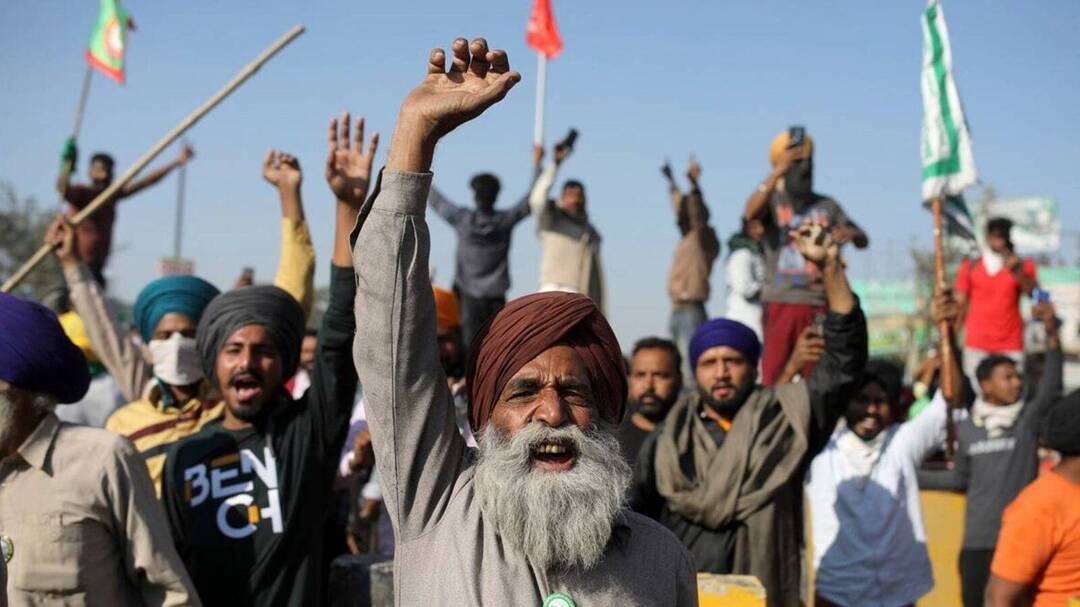
The Indian agricultural sector has been a topic of discussion in recent years, with farmers’ organizations and unions consistently voicing their concerns over various government policies and trade agreements. The latest development in this regard is the announcement by Samyukt Kisan Morcha (SKM) and All India Kisan Sabha (AIKS), along with several other farmers’ organizations, to stage nationwide protests on February 12 against the India-US trade deal. The protests, which are expected to be widespread and intense, are a culmination of the growing resentment among farmers against the government’s decision to sign the interim trade deal with the United States.
The SKM, which is an umbrella organization of various farmers’ unions, has been at the forefront of the agitation against the India-US trade deal. The organization has claimed that the interim deal is a “total surrender” of India’s agriculture and farmers to American multinational corporations (MNCs). According to the SKM, the deal will have far-reaching consequences for the Indian agricultural sector, including the flooding of the domestic market with cheap American imports, which will lead to a decline in the prices of Indian agricultural products. This, in turn, will have a devastating impact on the livelihoods of millions of Indian farmers, who are already struggling to make ends meet.
The SKM has also demanded the resignation of Union Minister Piyush Goyal, who is responsible for negotiating the trade deal with the United States. The organization has accused Goyal of betraying the interests of Indian farmers and surrendering to the pressure of American MNCs. The demand for Goyal’s resignation is seen as a significant escalation of the protests, and it remains to be seen how the government will respond to this demand.
The India-US trade deal has been a topic of controversy since its inception. The deal, which was announced in November last year, aims to increase trade between the two countries and promote economic cooperation. However, the deal has been criticized by farmers’ organizations and opposition parties, who claim that it will have a negative impact on the Indian agricultural sector. The deal is seen as a major victory for American MNCs, which have been seeking to increase their presence in the Indian market.
One of the main concerns of the farmers’ organizations is that the deal will lead to the import of cheap American agricultural products, including dairy products, poultry, and pork. This, they claim, will lead to a decline in the prices of Indian agricultural products and will have a devastating impact on the livelihoods of Indian farmers. The organizations are also concerned that the deal will lead to the introduction of genetically modified (GM) crops in India, which they claim will have a negative impact on the environment and human health.
The protests on February 12 are expected to be widespread and intense, with farmers’ organizations and unions planning to block highways, roads, and railway tracks across the country. The protests will also include rallies, demonstrations, and sit-ins, and will be attended by thousands of farmers from across the country. The SKM has appealed to all sections of society to join the protests and to show solidarity with the farmers’ movement.
The government, on the other hand, has defended the India-US trade deal, claiming that it will increase trade between the two countries and promote economic cooperation. The government has also claimed that the deal will have a positive impact on the Indian agricultural sector, and will lead to an increase in the export of Indian agricultural products. However, the government’s claims have been rejected by farmers’ organizations and opposition parties, who claim that the deal is a betrayal of the interests of Indian farmers.
In conclusion, the nationwide protests on February 12 against the India-US trade deal are a significant development in the ongoing agitation against the government’s policies and trade agreements. The protests, which are expected to be widespread and intense, are a culmination of the growing resentment among farmers against the government’s decision to sign the interim trade deal with the United States. The SKM’s demand for Union Minister Piyush Goyal’s resignation is a significant escalation of the protests, and it remains to be seen how the government will respond to this demand. As the protests unfold, it is clear that the Indian agricultural sector will continue to be a topic of discussion and controversy in the days to come.
About the Author