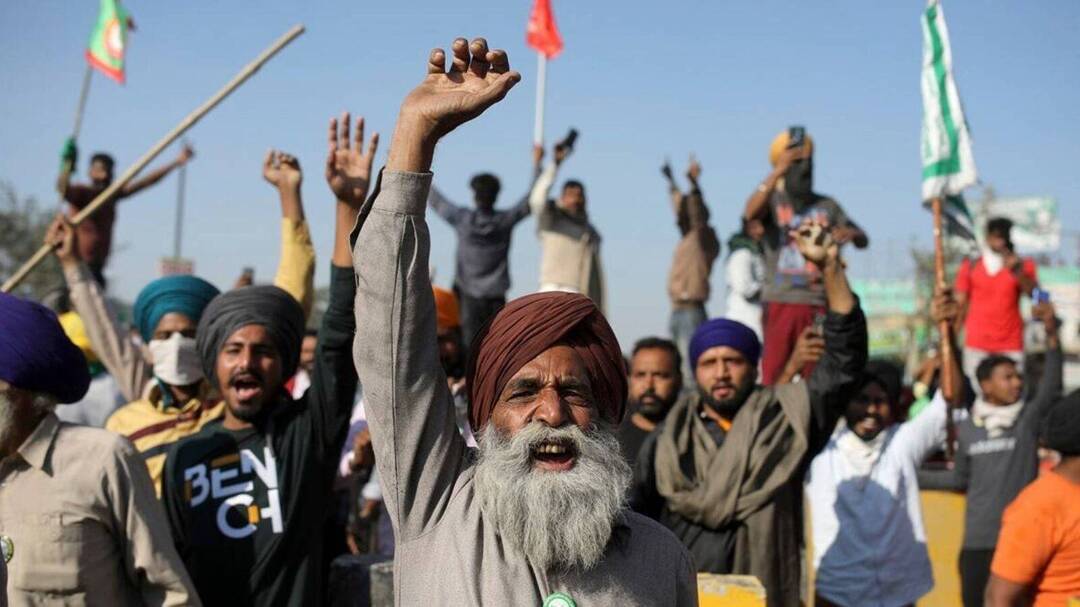
Farmers to hold nationwide protests over India-US trade deal on Feb 12
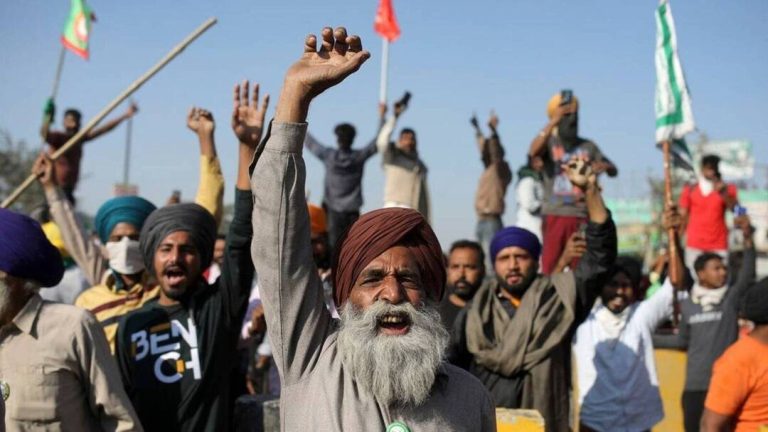
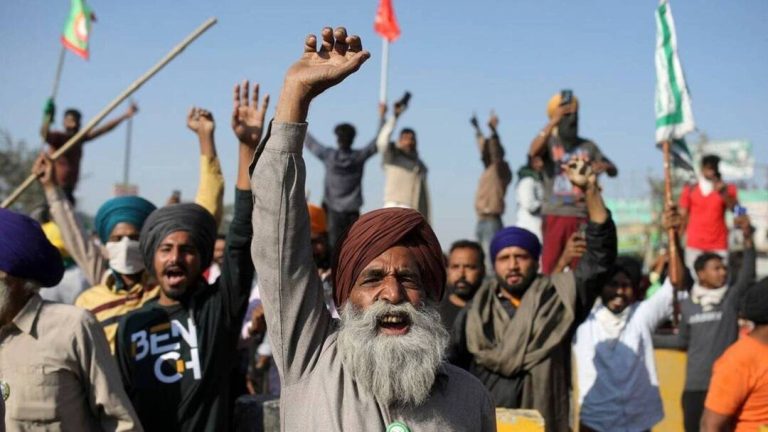
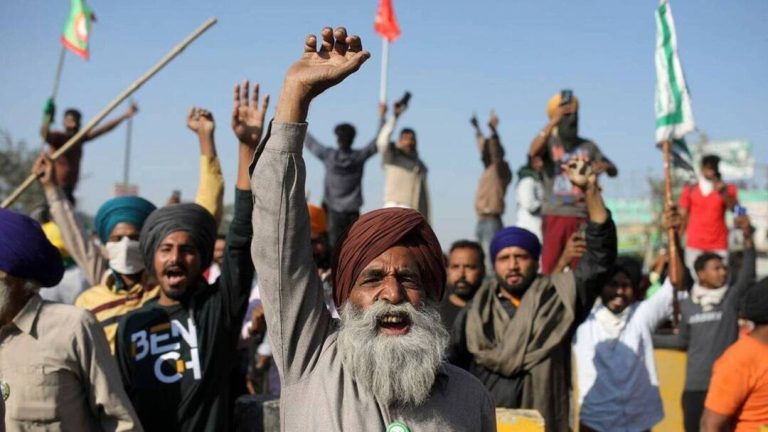
The Indian farming community is gearing up for a massive nationwide protest on February 12 against the recently announced India-US trade deal. The Samyukt Kisan Morcha (SKM), All India Kisan Sabha (AIKS), and several other farmers’ organizations have joined forces to express their strong opposition to the interim trade agreement, which they claim will have far-reaching and devastating consequences for the country’s agriculture sector and its farmers.
The SKM, a coalition of farmers’ unions, has termed the India-US trade deal as a “total surrender” of India’s agriculture and farmers to American multinational corporations (MNCs). The organization has demanded the resignation of Union Minister Piyush Goyal, who has been instrumental in negotiating the trade agreement with the US. The SKM has accused the government of betraying the trust of farmers and compromising the country’s food security by signing the deal.
The India-US trade deal, which was announced recently, aims to increase trade between the two countries and reduce tariffs on various goods, including agricultural products. However, farmers’ organizations in India are concerned that the deal will lead to a surge in imports of cheap agricultural products from the US, which will hurt the domestic farming industry. They argue that the deal will benefit American MNCs at the expense of Indian farmers, who are already struggling to make ends meet.
The SKM and other farmers’ organizations have been vocal in their opposition to the trade deal, stating that it will lead to the destruction of India’s agriculture sector and the displacement of millions of farmers. They have also accused the government of not consulting with farmers’ organizations before signing the deal, which they claim is a clear indication of the government’s disregard for the welfare of farmers.
The nationwide protest on February 12 is expected to be a massive show of strength by the farming community, with farmers from all over the country participating in the demonstrations. The protest will be held in various cities and towns, and will include rallies, marches, and sit-ins. The farmers’ organizations have also planned to submit memorandums to the government, demanding that the trade deal be scrapped and that the government take immediate action to protect the interests of farmers.
The All India Kisan Sabha (AIKS), one of the largest farmers’ organizations in the country, has also expressed its strong opposition to the trade deal. The AIKS has stated that the deal will lead to the exploitation of Indian farmers by American MNCs and will result in the loss of livelihoods for millions of farmers. The organization has demanded that the government take immediate action to protect the interests of farmers and ensure that the country’s agriculture sector is not compromised.
The India-US trade deal has been a subject of controversy, with many experts and farmers’ organizations expressing concerns about its impact on the country’s agriculture sector. The deal has been criticized for being one-sided, with India agreeing to reduce tariffs on various agricultural products, including dairy and poultry products, while the US has refused to make similar concessions.
The government has defended the trade deal, stating that it will increase trade between the two countries and benefit Indian farmers. However, farmers’ organizations are not convinced, and have accused the government of prioritizing the interests of American MNCs over those of Indian farmers.
The nationwide protest on February 12 is a clear indication of the strong opposition to the India-US trade deal among the farming community. The protest is expected to be a major show of strength by the farmers, and will likely put pressure on the government to reconsider the trade deal and take action to protect the interests of farmers.
In conclusion, the India-US trade deal has sparked widespread protests among the farming community, with many farmers’ organizations expressing strong opposition to the agreement. The nationwide protest on February 12 is a clear indication of the anger and frustration among farmers, who feel that the government has betrayed their trust and compromised the country’s food security. The government must take immediate action to address the concerns of farmers and ensure that the country’s agriculture sector is not compromised.
As the protest on February 12 approaches, it remains to be seen how the government will respond to the demands of the farmers. One thing is certain, however – the India-US trade deal has become a major flashpoint in the country, and its impact will be felt for a long time to come.
About the Author