Farmers to hold nationwide protests over India-US trade deal on Feb 12
In a significant development, various farmers’ organizations in India have announced plans to stage nationwide protests on February 12 against the recently announced India-US trade deal. The Samyukt Kisan Morcha (SKM) and the All India Kisan Sabha (AIKS), along with several other farmers’ organizations, have come together to express their strong opposition to the deal, which they claim is detrimental to the interests of Indian farmers.
The SKM, a coalition of farmers’ organizations, has termed the interim trade deal between India and the US as a “total surrender” of India’s agriculture and farmers to American multinational corporations (MNCs). The organization has demanded the resignation of Union Minister Piyush Goyal, who has been instrumental in negotiating the deal, over the matter. The farmers’ organizations have also accused the government of compromising the interests of Indian farmers to appease American corporations.
The India-US trade deal, which was announced recently, has been widely criticized by farmers’ organizations and opposition parties in India. The deal is expected to increase India’s agriculture imports from the US, which could potentially harm the domestic agricultural sector. The farmers’ organizations have argued that the deal would lead to a surge in imports of agricultural products, such as dairy products, poultry, and fruits, which would negatively impact the livelihoods of Indian farmers.
The SKM has claimed that the deal would benefit American MNCs at the expense of Indian farmers. The organization has pointed out that the deal would allow American companies to dump their agricultural products in the Indian market, which would lead to a decline in prices and hurt the interests of Indian farmers. The SKM has also accused the government of not consulting farmers’ organizations before negotiating the deal, which has been seen as a betrayal of the trust of Indian farmers.
The All India Kisan Sabha (AIKS) has also joined the protests against the India-US trade deal. The AIKS has argued that the deal would lead to the destruction of India’s agricultural sector and would harm the livelihoods of millions of farmers in the country. The organization has demanded that the government should renegotiate the deal and ensure that the interests of Indian farmers are protected.
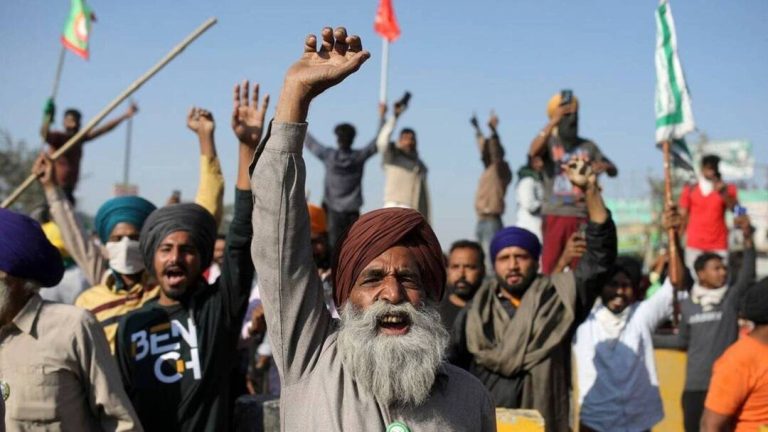
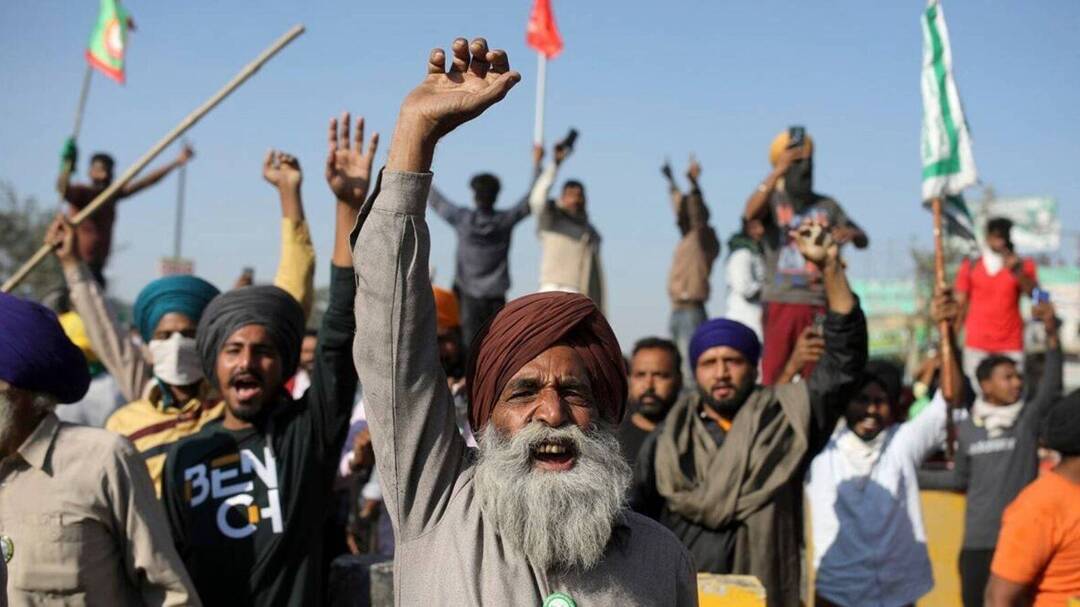
The nationwide protests on February 12 are expected to be a major show of strength by farmers’ organizations against the India-US trade deal. The protests would be held in various parts of the country, including major cities like Delhi, Mumbai, and Kolkata. The farmers’ organizations have called upon all farmers, agricultural workers, and supporters to join the protests and express their opposition to the deal.
The protests are also expected to highlight the plight of Indian farmers, who have been struggling to make ends meet due to low prices, high input costs, and lack of government support. The farmers’ organizations have been demanding better prices for their produce, loan waivers, and other forms of support to help them overcome the crisis in the agricultural sector.
In recent years, Indian farmers have been facing a major crisis, with many of them struggling to repay loans and facing poverty and indebtedness. The farmers’ organizations have been demanding that the government should take urgent steps to address the crisis and provide support to farmers. However, the government’s response has been inadequate, and the crisis continues to deepen.
The India-US trade deal has added to the concerns of Indian farmers, who fear that the deal would further exacerbate the crisis in the agricultural sector. The deal has been seen as a major threat to the livelihoods of Indian farmers, and the protests on February 12 are expected to be a major expression of their opposition to the deal.
In conclusion, the nationwide protests on February 12 against the India-US trade deal are a significant development in the ongoing struggle of Indian farmers for better prices, support, and protection. The protests are expected to highlight the plight of Indian farmers and the need for the government to take urgent steps to address the crisis in the agricultural sector. The government should listen to the concerns of farmers’ organizations and renegotiate the deal to ensure that the interests of Indian farmers are protected.
About the Author