Farmers to hold nationwide protests over India-US trade deal on Feb 12
The agricultural sector in India has been a topic of discussion for quite some time now, with the government’s policies and decisions often being met with resistance from farmers’ organizations. The latest development in this regard is the India-US trade deal, which has been criticized by several farmers’ outfits, including the Samyukt Kisan Morcha (SKM) and the All India Kisan Sabha (AIKS). These organizations have announced plans to stage nationwide protests on February 12 against the trade deal, which they claim is a “total surrender” of India’s agriculture and farmers to American MNCs.
The SKM, which is an umbrella body of several farmers’ organizations, has been vocal about its opposition to the trade deal, which was announced recently. The organization claims that the deal is heavily biased in favor of American corporations and will have a devastating impact on Indian farmers. The SKM has also demanded the resignation of Union Minister Piyush Goyal, who has been instrumental in negotiating the trade deal.
The India-US trade deal has been in the works for several months now, with both countries engaged in intense negotiations to iron out their differences. The deal is expected to increase trade between the two countries, with a focus on areas such as agriculture, pharmaceuticals, and textiles. However, farmers’ organizations in India are not convinced that the deal will benefit them, and are instead worried that it will lead to a flood of cheap American imports, which will hurt their livelihoods.
One of the main concerns of the farmers’ organizations is that the trade deal will allow American corporations to dominate the Indian agricultural market, which will lead to a loss of livelihoods for millions of farmers. They also claim that the deal will lead to the import of genetically modified (GM) crops, which will have a devastating impact on the environment and human health.
The SKM has also accused the government of not consulting with farmers’ organizations before finalizing the trade deal. The organization claims that the government has ignored the concerns of farmers and has instead chosen to favor the interests of American corporations. This, the SKM claims, is a betrayal of the trust that farmers had placed in the government.
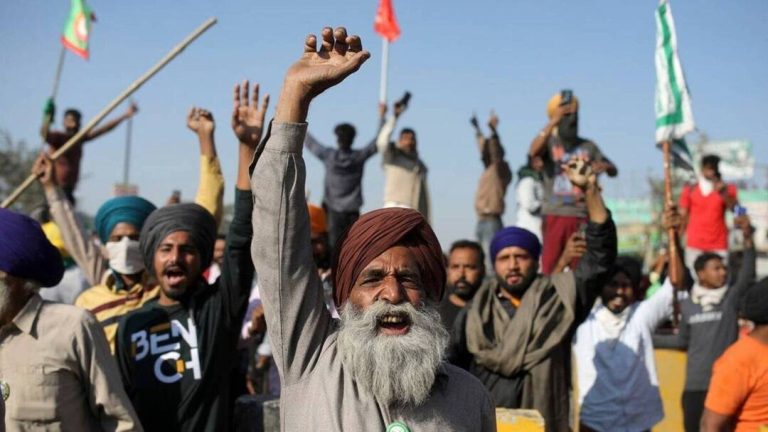
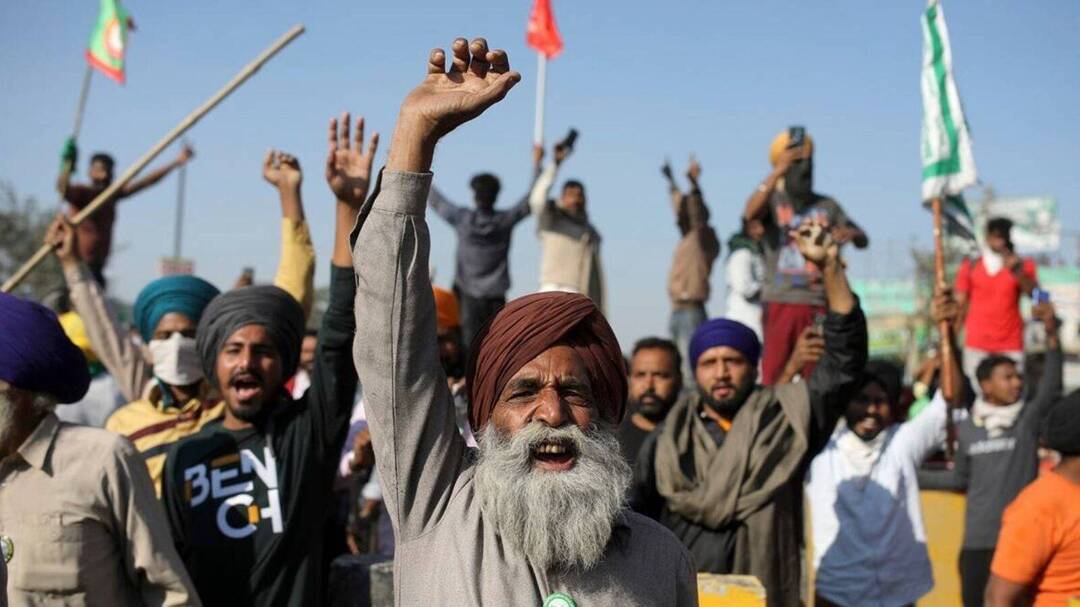
The nationwide protests on February 12 are expected to be a major show of strength by farmers’ organizations, with thousands of farmers expected to participate. The protests will be held in cities and towns across the country, with farmers’ organizations planning to block roads and highways to draw attention to their demands.
The All India Kisan Sabha (AIKS) has also joined the SKM in its opposition to the trade deal, with the organization’s leaders claiming that the deal is a “death warrant” for Indian farmers. The AIKS has also accused the government of trying to divide farmers and weaken their movement, and has called for unity among farmers to fight against the trade deal.
The India-US trade deal has also been criticized by other farmers’ organizations, including the Bharatiya Kisan Union (BKU) and the Karnataka Rajya Raitha Sangha (KRRS). These organizations have also announced plans to participate in the nationwide protests on February 12, and have called for the government to scrap the trade deal.
The government, on the other hand, has defended the trade deal, claiming that it will benefit Indian farmers and increase their exports. The government has also claimed that the deal will create new opportunities for farmers and will help to increase their incomes.
However, farmers’ organizations are not convinced by the government’s claims, and are instead worried that the trade deal will lead to a disaster for Indian agriculture. They claim that the deal will lead to a flood of cheap American imports, which will hurt the livelihoods of millions of farmers.
In conclusion, the India-US trade deal has become a major point of contention between the government and farmers’ organizations. The deal, which is expected to increase trade between the two countries, has been criticized by farmers’ organizations, who claim that it will lead to a loss of livelihoods for millions of farmers. The nationwide protests on February 12 are expected to be a major show of strength by farmers’ organizations, and will be a test of the government’s resolve to push through the trade deal.
As the protests approach, it remains to be seen how the government will respond to the demands of farmers’ organizations. Will the government scrap the trade deal, or will it push ahead with its plans to increase trade with the US? Only time will tell, but one thing is certain – the India-US trade deal has become a major flashpoint in the ongoing debate over the future of Indian agriculture.
About the Author