Farmers to hold nationwide protests over India-US trade deal on Feb 12
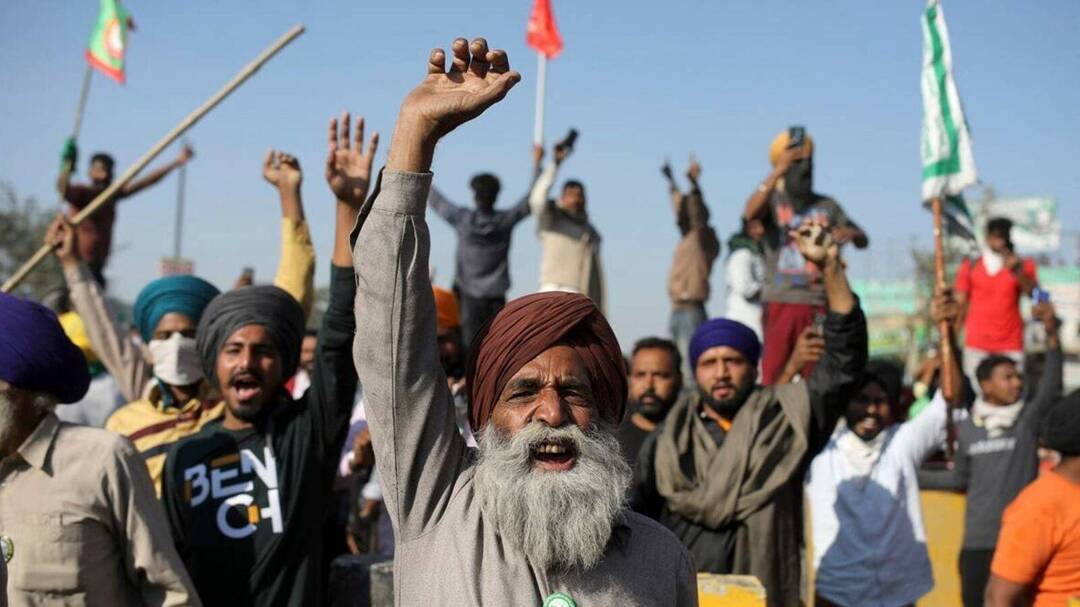
The Indian farming community is set to stage a nationwide protest on February 12 against the recently announced India-US trade deal. The Samyukt Kisan Morcha (SKM) and the All India Kisan Sabha (AIKS), along with several other farmers’ organizations, have come together to express their strong opposition to the interim deal, which they claim is a “total surrender” of India’s agriculture and farmers to American multinational corporations (MNCs).
The SKM, a coalition of farmers’ unions, has been at the forefront of the protests against the trade deal, which was announced recently. The organization has accused the Indian government of betraying the trust of farmers and compromising the country’s agricultural sovereignty. The SKM has also demanded the resignation of Union Minister Piyush Goyal, who is responsible for negotiating the trade deal.
The India-US trade deal has been a subject of controversy, with many farmers’ organizations and opposition parties criticizing the government for its handling of the negotiations. The deal is expected to increase imports of American agricultural products, such as apples, almonds, and soybeans, which could potentially harm Indian farmers who grow these crops. The deal also opens up the Indian market to American dairy products, which could threaten the livelihoods of millions of Indian dairy farmers.
The SKM has argued that the trade deal is a clear example of the Indian government’s pro-corporate and anti-farmer policies. The organization has claimed that the deal will lead to a flood of cheap American imports, which will destroy the livelihoods of Indian farmers and undermine the country’s food security. The SKM has also accused the government of ignoring the concerns of farmers and prioritizing the interests of American MNCs.
The All India Kisan Sabha (AIKS), another prominent farmers’ organization, has also come out strongly against the trade deal. The AIKS has argued that the deal is a betrayal of the Indian people and will have disastrous consequences for the country’s agriculture sector. The organization has demanded that the government withdraw from the deal and engage in fresh negotiations that prioritize the interests of Indian farmers.
The nationwide protests on February 12 are expected to be a major show of strength by the farming community, with thousands of farmers and rural workers participating in rallies and demonstrations across the country. The protests will be held in major cities and towns, including Delhi, Mumbai, Kolkata, and Chennai, and will feature speeches, slogans, and demands for the government to withdraw from the trade deal.
The farmers’ organizations have also called for a complete boycott of American products, including apples, almonds, and soybeans, which are expected to be imported in large quantities under the trade deal. The boycott is intended to send a strong message to the government and American corporations that Indian farmers will not be intimidated or compromised by the trade deal.
The India-US trade deal has also been criticized by opposition parties, who have accused the government of compromising the country’s sovereignty and interests. The opposition parties have demanded that the government release the full text of the trade deal and engage in a thorough debate on its implications for Indian farmers and the economy.
In response to the criticism, the government has argued that the trade deal is a major breakthrough and will help to increase India’s exports to the US. The government has also claimed that the deal will create new opportunities for Indian farmers and help to boost the country’s agricultural sector. However, these claims have been rejected by farmers’ organizations, who argue that the deal is a one-sided agreement that favors American corporations at the expense of Indian farmers.
As the protests on February 12 approach, the Indian government is facing increasing pressure to reconsider the trade deal and engage in fresh negotiations that prioritize the interests of Indian farmers. The government has been accused of ignoring the concerns of farmers and compromising the country’s sovereignty, and it remains to be seen how it will respond to the growing opposition to the trade deal.
In conclusion, the nationwide protests on February 12 are a major turning point in the debate over the India-US trade deal. The protests will be a show of strength by the farming community, which is determined to protect its interests and livelihoods. The government must listen to the concerns of farmers and engage in fresh negotiations that prioritize their interests. Anything less will be a betrayal of the trust of the Indian people and a compromise of the country’s sovereignty.
About the Author