Farmers to hold nationwide protests over India-US trade deal on Feb 12
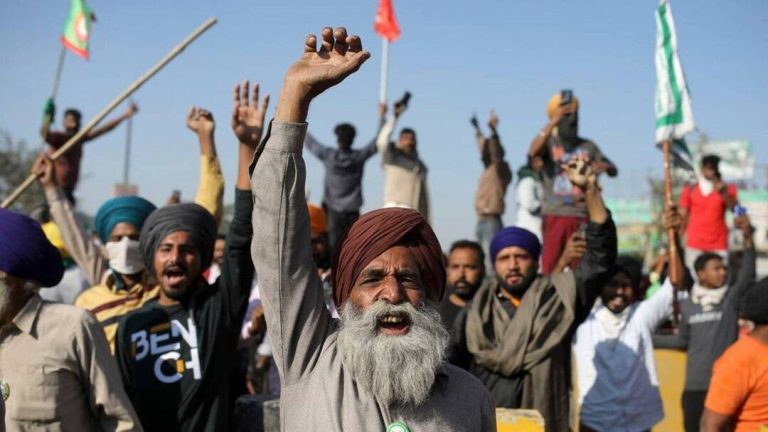
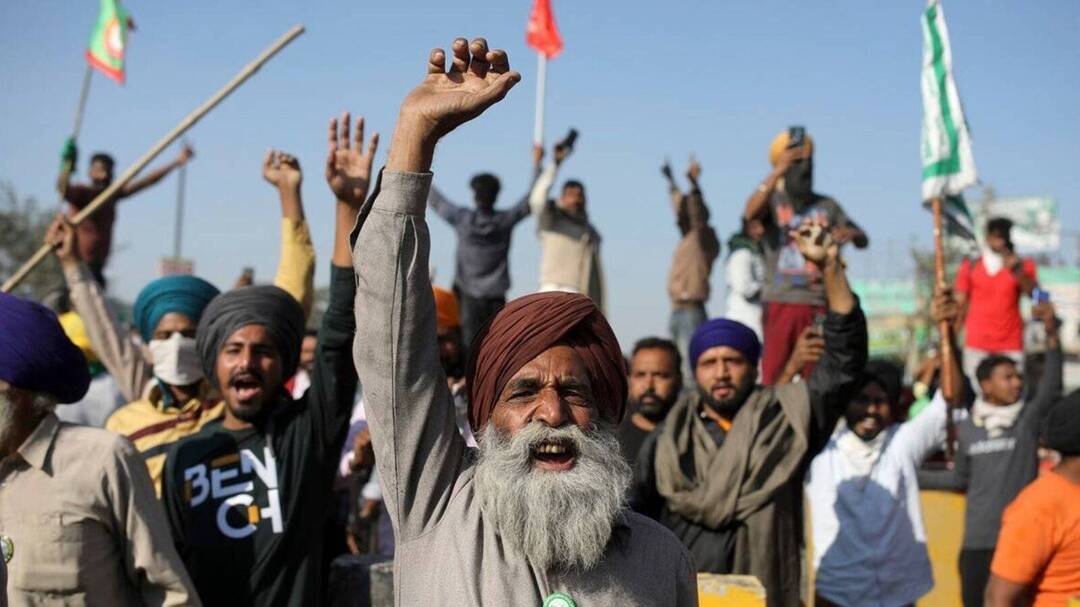
The Indian farming community is once again gearing up for a major showdown with the government, this time over the recently announced India-US trade deal. The Samyukt Kisan Morcha (SKM), All India Kisan Sabha (AIKS), and several other farmers’ organizations have announced plans to stage nationwide protests on February 12 against the deal, which they claim is a “total surrender” of India’s agriculture and farmers to American multinational corporations (MNCs).
The interim trade deal between India and the US has been a topic of controversy since its announcement, with many farmers’ organizations and opposition parties expressing concerns over its potential impact on Indian agriculture. The deal is expected to increase American exports of agricultural products such as dairy, poultry, and fruits to India, which could potentially hurt the domestic farming industry.
The SKM, a coalition of farmers’ organizations, has been at the forefront of the protests against the deal. The organization has claimed that the deal is a “betrayal” of the Indian farming community and that it will lead to the “destruction” of Indian agriculture. The SKM has also demanded the resignation of Union Minister Piyush Goyal, who has been instrumental in negotiating the deal.
The AIKS, another prominent farmers’ organization, has also expressed its opposition to the deal. The organization has claimed that the deal is a “surrender” of India’s economic sovereignty and that it will lead to the exploitation of Indian farmers by American MNCs.
The nationwide protests on February 12 are expected to be a major show of strength by the farming community. The protests will be held in various cities and towns across the country, and will involve thousands of farmers, agricultural workers, and other supporters. The protests will also be supported by various opposition parties and trade unions.
The farmers’ organizations have also announced plans to hold a series of rallies and demonstrations in the run-up to the protests on February 12. These rallies will be held in various states and will involve prominent farmers’ leaders and opposition politicians.
The government has so far refused to bow to the demands of the farmers’ organizations, claiming that the deal is in the best interests of the country. However, the opposition parties have expressed their support for the protests, with many leaders announcing their participation in the rallies and demonstrations.
The India-US trade deal has been a major point of contention between the government and the opposition parties. The deal is expected to increase American exports to India, but many have expressed concerns over its potential impact on Indian industry and agriculture.
The deal has also been criticized for its lack of transparency, with many details of the agreement still not in the public domain. The government has claimed that the deal is a “win-win” for both countries, but the opposition parties have expressed their skepticism over this claim.
The nationwide protests on February 12 are expected to be a major test of the government’s resolve on the issue. The farmers’ organizations have made it clear that they will not back down until their demands are met, and the government will have to decide whether to bow to their demands or face the consequences.
In conclusion, the India-US trade deal has become a major point of contention in Indian politics, with the farming community leading the charge against the agreement. The nationwide protests on February 12 are expected to be a major show of strength by the farming community, and the government will have to decide how to respond to their demands. As the protests approach, one thing is clear: the Indian farming community will not go down without a fight.
About the Author