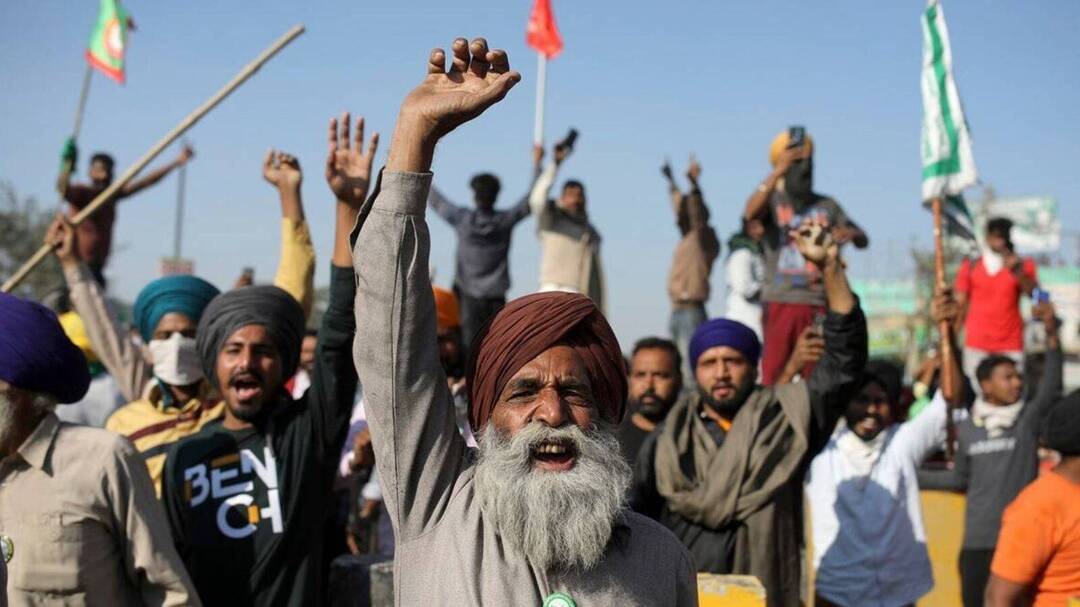
Farmers to hold nationwide protests over India-US trade deal on Feb 12
The agricultural sector in India has been a topic of discussion for quite some time now, with various farmer organizations and unions expressing their concerns over the government’s policies and agreements that affect their livelihood. The latest development in this regard is the announcement by Samyukt Kisan Morcha (SKM), All India Kisan Sabha (AIKS), and several other farmer organizations to stage nationwide protests on February 12 against the India-US trade deal. The SKM has termed the interim deal as a “total surrender” of India’s agriculture and farmers to American MNCs, and has also demanded the resignation of Union Minister Piyush Goyal over the matter.
The India-US trade deal, which was recently announced, has been met with widespread criticism from farmer organizations and opposition parties. The deal is expected to have far-reaching implications for India’s agricultural sector, with many fearing that it will lead to the influx of cheap American imports, thereby threatening the livelihoods of Indian farmers. The SKM and other farmer organizations have been vocal in their opposition to the deal, claiming that it will benefit American multinational corporations (MNCs) at the expense of Indian farmers.
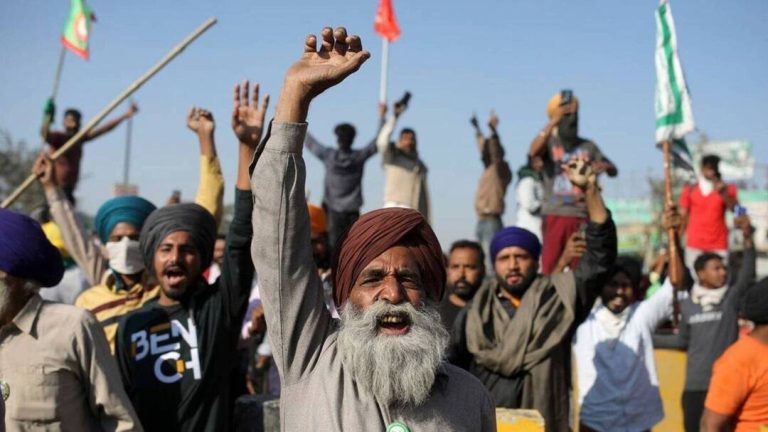
The nationwide protests planned for February 12 are expected to be a major show of strength by the farmer organizations, with thousands of farmers and agricultural workers expected to participate. The protests will be held in various cities and towns across the country, with the aim of highlighting the concerns of the farming community and demanding that the government takes immediate action to address their grievances. The SKM has also announced that it will hold a series of rallies and demonstrations in the run-up to the protests, to mobilize public support and build pressure on the government.
One of the main concerns of the farmer organizations is that the India-US trade deal will lead to the import of cheap American agricultural products, such as maize, soybean, and apples, which will flood the Indian market and threaten the livelihoods of Indian farmers. The organizations have also expressed concerns over the impact of the deal on India’s food security, with many fearing that it will lead to a dependence on American imports, rather than promoting domestic production.
The SKM has also criticized the government for not consulting with farmer organizations and other stakeholders before signing the deal. The organization has claimed that the government has failed to take into account the concerns of the farming community, and has instead prioritized the interests of American MNCs. The demand for Union Minister Piyush Goyal’s resignation is also a significant development, with the SKM accusing him of being responsible for the “surrender” of India’s agriculture and farmers to American MNCs.
The opposition parties have also joined the chorus of criticism against the India-US trade deal, with many accusing the government of prioritizing the interests of American MNCs over those of Indian farmers. The Congress party has termed the deal as a “betrayal” of the farming community, while the Left parties have accused the government of “selling out” India’s agriculture and farmers to American corporations.
The nationwide protests planned for February 12 are expected to be a major test for the government, with the farmer organizations and opposition parties determined to make their voices heard. The government will have to take immediate action to address the concerns of the farming community, or risk facing widespread criticism and opposition. The protests will also be a significant development in the ongoing debate over the India-US trade deal, with the outcome likely to have far-reaching implications for India’s agricultural sector and the livelihoods of millions of farmers and agricultural workers.
In conclusion, the announcement by Samyukt Kisan Morcha (SKM), All India Kisan Sabha (AIKS), and other farmer organizations to stage nationwide protests on February 12 against the India-US trade deal is a significant development in the ongoing debate over the deal. The protests are expected to be a major show of strength by the farmer organizations, with thousands of farmers and agricultural workers expected to participate. The government will have to take immediate action to address the concerns of the farming community, or risk facing widespread criticism and opposition. The outcome of the protests will have far-reaching implications for India’s agricultural sector and the livelihoods of millions of farmers and agricultural workers.
About the Author