Farmers to hold nationwide protests over India-US trade deal on Feb 12
The Indian farming community is once again gearing up for a massive nationwide protest, this time against the recently announced India-US trade deal. The Samyukt Kisan Morcha (SKM) and the All India Kisan Sabha (AIKS), along with several other farmers’ organizations, have announced plans to stage protests across the country on February 12. The farmers are up in arms over the interim trade deal, which they claim is a “total surrender” of India’s agriculture and farmers to American multinational corporations (MNCs).
The SKM, a coalition of farmers’ unions, has been at the forefront of the agitation against the India-US trade deal. The organization has accused the Indian government of betraying the country’s farmers by signing a deal that favors American agricultural interests. The SKM has also demanded the resignation of Union Minister Piyush Goyal, who is responsible for negotiating the trade deal.
The India-US trade deal has been a topic of controversy since its announcement. The deal aims to increase trade between the two countries, with a focus on agricultural products. However, Indian farmers are concerned that the deal will lead to an influx of cheap American agricultural imports, which will hurt their livelihoods. The farmers are also worried that the deal will pave the way for American MNCs to dominate India’s agricultural sector, leading to the exploitation of Indian farmers.
The SKM has claimed that the trade deal is a “total surrender” of India’s agriculture and farmers to American MNCs. The organization has accused the Indian government of compromising the country’s agricultural sovereignty and putting the interests of American corporations above those of Indian farmers. The SKM has also alleged that the trade deal will lead to the destruction of India’s agricultural sector, which will have devastating consequences for the country’s economy and food security.
The All India Kisan Sabha (AIKS) has also joined the chorus of protests against the India-US trade deal. The AIKS has accused the Indian government of ignoring the concerns of Indian farmers and signing a deal that favors American agricultural interests. The organization has demanded that the government renegotiate the trade deal and ensure that the interests of Indian farmers are protected.
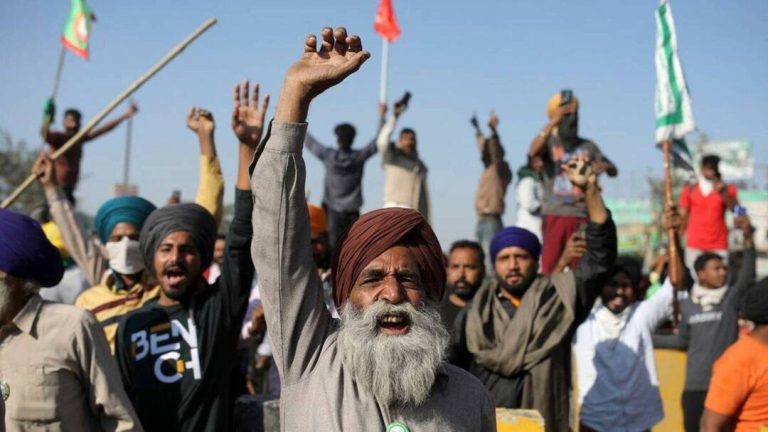
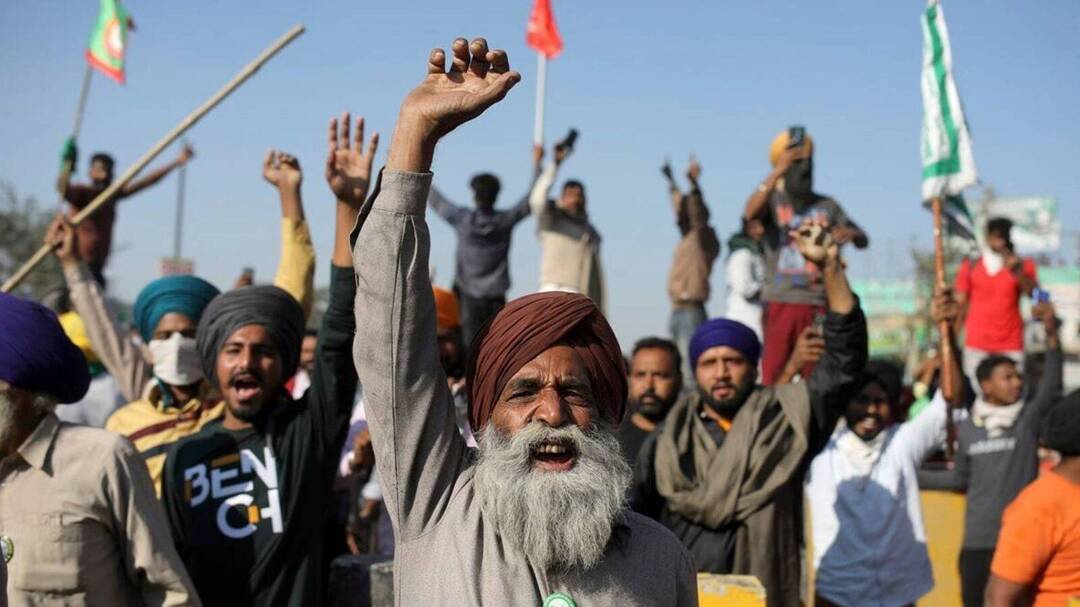
The nationwide protests on February 12 are expected to be a massive show of strength by the Indian farming community. Farmers from across the country are expected to participate in the protests, which will be held in major cities and towns. The protests will include rallies, demonstrations, and sit-ins, and will be addressed by leaders of the SKM, AIKS, and other farmers’ organizations.
The Indian government has been facing criticism from opposition parties and farmers’ organizations over the India-US trade deal. The opposition parties have accused the government of compromising India’s agricultural sovereignty and putting the interests of American corporations above those of Indian farmers. The government has, however, defended the trade deal, saying that it will increase trade between the two countries and benefit Indian farmers.
The protests on February 12 are likely to put pressure on the Indian government to reconsider the trade deal and ensure that the interests of Indian farmers are protected. The government will have to balance the interests of American corporations with those of Indian farmers, who are a crucial vote bank in the country. The outcome of the protests will be closely watched, as it will have significant implications for India’s agricultural sector and the country’s food security.
In conclusion, the nationwide protests on February 12 are a testament to the growing discontent among Indian farmers over the India-US trade deal. The protests are a clear indication that the Indian farming community will not take the trade deal lying down and will fight to protect their interests. The Indian government will have to take the concerns of the farmers seriously and ensure that the trade deal is renegotiated to protect the interests of Indian farmers.
The protests are also a reminder of the importance of India’s agricultural sector, which is the backbone of the country’s economy. The sector provides livelihoods to millions of Indians and is crucial for the country’s food security. The Indian government must ensure that the trade deal does not harm the interests of Indian farmers and that the country’s agricultural sovereignty is protected.
As the protests on February 12 approach, the Indian government will have to take a hard look at the trade deal and consider the concerns of the farmers. The government must ensure that the trade deal is fair and equitable and that the interests of Indian farmers are protected. The protests are a wake-up call for the government, and it must respond to the concerns of the farmers to avoid any further unrest.
About the Author