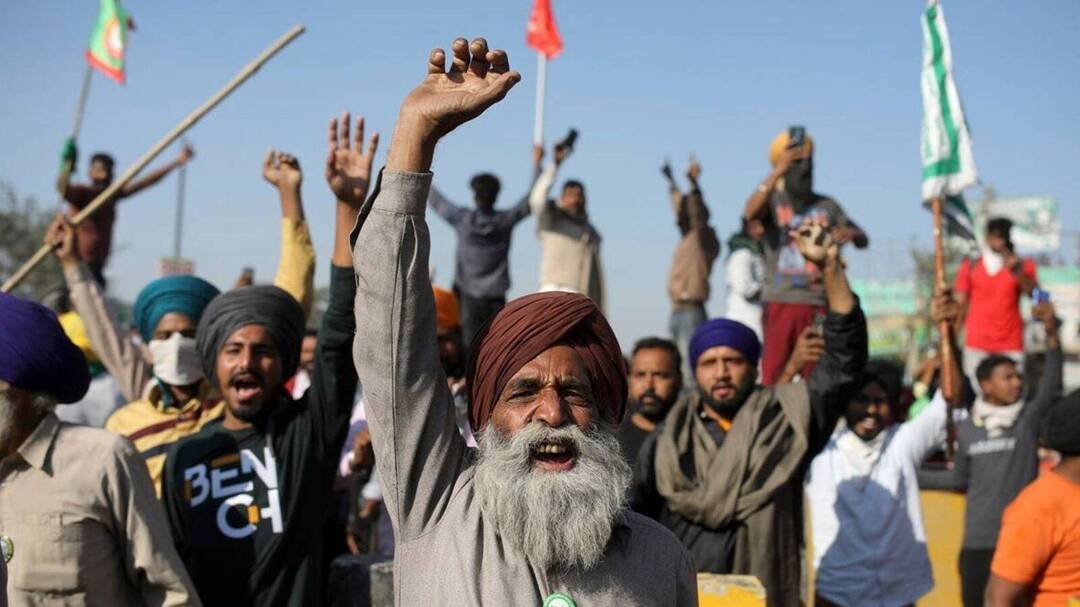
Farmers to hold nationwide protests over India-US trade deal on Feb 12
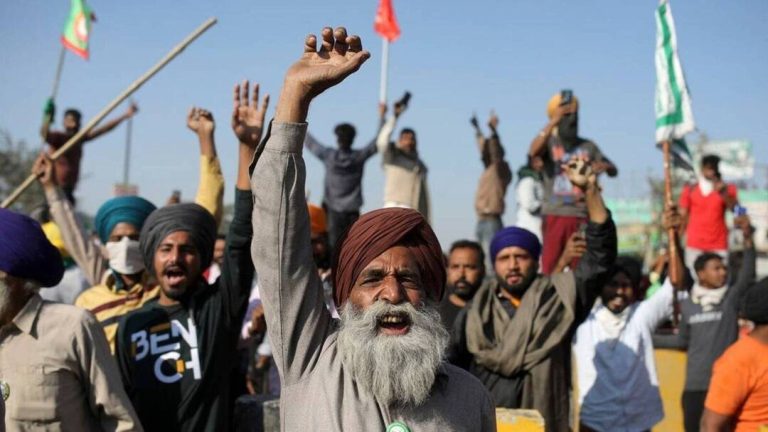
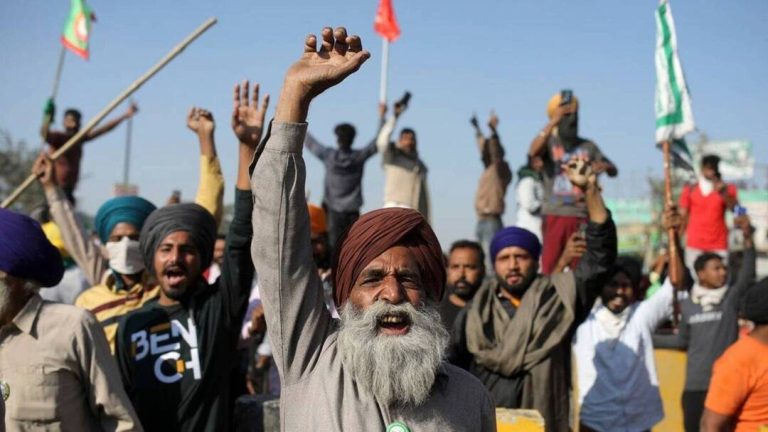
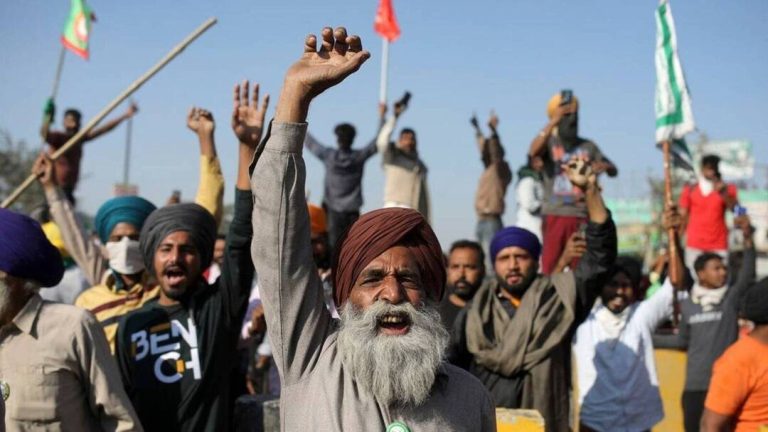
The Indian farming community is once again gearing up for a major showdown with the government, this time over the recently announced India-US trade deal. Samyukt Kisan Morcha (SKM), All India Kisan Sabha (AIKS), and several other farmers’ organisations have announced plans to stage nationwide protests on February 12 against the deal, which they claim will have devastating consequences for Indian agriculture and farmers.
The SKM, a coalition of farmers’ unions, has been at the forefront of the agitation against the government’s policies, including the now-repealed farm laws. The organisation has termed the interim trade deal with the US as a “total surrender” of India’s agriculture and farmers to American multinational corporations (MNCs). The deal, which was announced recently, is expected to increase trade between the two countries, but farmers’ groups are concerned that it will lead to the flooding of the Indian market with cheap American agricultural products, thereby threatening the livelihoods of local farmers.
The SKM has demanded the resignation of Union Minister Piyush Goyal, who has been instrumental in negotiating the trade deal with the US. The organisation has accused Goyal of betraying the interests of Indian farmers and bowing to the pressure of American MNCs. The demand for Goyal’s resignation is likely to escalate the tensions between the government and the farmers’ groups, which have been at loggerheads over various issues in recent years.
The nationwide protests on February 12 are expected to be a major show of strength by the farmers’ community, which has been mobilising support from various sections of society, including trade unions, student organisations, and civil society groups. The protests will be held in various cities and towns across the country, with farmers’ groups planning to block roads, hold rallies, and organise sit-ins to draw attention to their demands.
The India-US trade deal has been a contentious issue, with many experts warning that it could have far-reaching consequences for Indian agriculture and the economy. The deal is expected to increase India’s imports of American agricultural products, including dairy products, poultry, and apples, which could lead to a surge in imports and a decline in domestic production. This, in turn, could lead to a loss of livelihoods for thousands of Indian farmers, who are already struggling to make ends meet.
The farmers’ groups are also concerned that the deal will lead to the introduction of genetically modified (GM) crops in India, which could have devastating consequences for the country’s biodiversity and ecosystem. The introduction of GM crops has been a highly contentious issue in India, with many experts warning that it could lead to the displacement of traditional crop varieties and the loss of genetic diversity.
The SKM and other farmers’ groups have been demanding that the government scrap the trade deal and engage in a broader consultation with stakeholders, including farmers, trade unions, and civil society groups. They have also demanded that the government take steps to protect the interests of Indian farmers and ensure that they are not hurt by the deal.
The nationwide protests on February 12 are likely to be a major challenge for the government, which has been facing criticism from various quarters over its handling of the farmers’ agitation. The government has been accused of being insensitive to the concerns of farmers and of prioritising the interests of corporate groups over those of the farming community.
In recent years, the Indian farming community has been facing numerous challenges, including declining incomes, rising input costs, and lack of access to credit and other resources. The farmers’ groups have been demanding that the government take steps to address these issues, including providing minimum support prices for crops, waiving farm loans, and increasing investment in agriculture.
The India-US trade deal has added a new dimension to the farmers’ agitation, with many experts warning that it could have far-reaching consequences for Indian agriculture and the economy. The nationwide protests on February 12 are likely to be a major turning point in the agitation, with the farmers’ groups determined to fight against the deal and protect the interests of Indian farmers.
As the protests approach, the government is likely to come under increasing pressure to address the concerns of the farmers’ groups. The government has been accused of being insensitive to the concerns of farmers, and the protests are likely to be a major challenge for the government.
In conclusion, the nationwide protests on February 12 are likely to be a major show of strength by the farmers’ community, which is determined to fight against the India-US trade deal and protect the interests of Indian farmers. The protests are expected to be a major challenge for the government, which has been facing criticism from various quarters over its handling of the farmers’ agitation. The government needs to take steps to address the concerns of the farmers’ groups and ensure that the interests of Indian farmers are protected.
About the Author