Farmers to hold nationwide protests over India-US trade deal on Feb 12
The agricultural sector in India has been a topic of discussion for quite some time now, with farmers across the country raising their voices against various policies and agreements that they believe threaten their livelihoods. The latest development in this regard is the India-US trade deal, which has been met with severe criticism from farmers’ organizations. In response to this deal, Samyukt Kisan Morcha (SKM), All India Kisan Sabha (AIKS), and several other farmers’ organizations have announced plans to stage nationwide protests on February 12.
The SKM, a coalition of farmers’ organizations, has been at the forefront of the protests against the India-US trade deal. According to the SKM, the interim deal is a “total surrender” of India’s agriculture and farmers to American MNCs. The organization has expressed its strong opposition to the deal, stating that it will have far-reaching consequences for the agricultural sector in India. The SKM has also demanded the resignation of Union Minister Piyush Goyal over the matter, holding him responsible for the negotiations that led to the signing of the deal.
The India-US trade deal has been in the works for several months, with both countries engaging in intense negotiations to reach a mutually beneficial agreement. However, the deal has been met with criticism from various quarters, with many arguing that it favors American interests at the expense of Indian farmers. The deal is expected to increase imports of American agricultural products, such as apples, almonds, and soybeans, which could potentially harm the domestic agricultural industry.
The farmers’ organizations have raised several concerns about the deal, including the potential impact on the prices of agricultural commodities, the effect on the livelihoods of small and marginal farmers, and the lack of transparency in the negotiations. They have also expressed concerns about the deal’s potential to lead to the exploitation of Indian farmers by American MNCs.
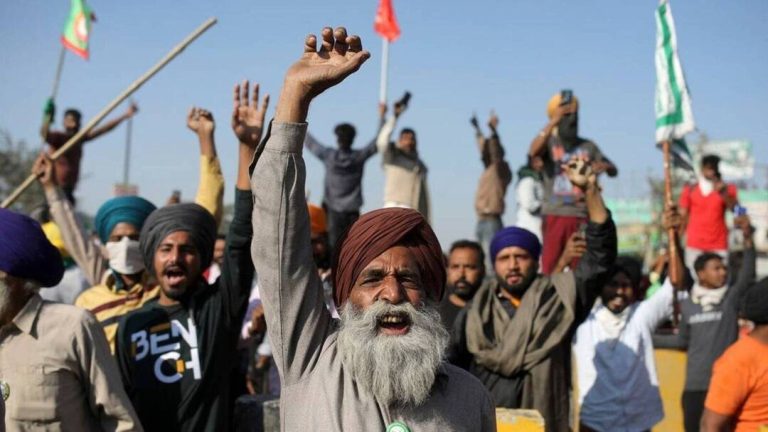
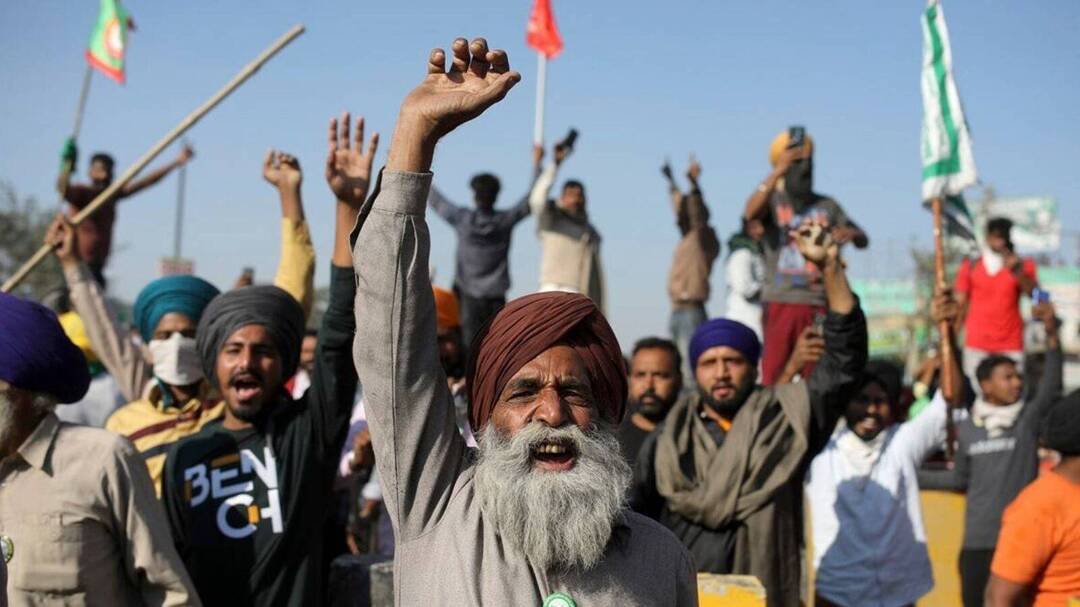
The nationwide protests on February 12 are expected to be a major show of strength by the farmers’ organizations, with thousands of farmers from across the country participating in the demonstrations. The protests will be held in various cities and towns, with the aim of drawing attention to the concerns of the farmers and pressuring the government to reconsider the deal.
The SKM has stated that the protests will be peaceful and democratic, with farmers and their supporters gathering in public spaces to express their opposition to the deal. The organization has also called upon all sections of society to join the protests, stating that the issue affects not just farmers but also consumers and the broader economy.
The All India Kisan Sabha (AIKS) has also expressed its strong opposition to the deal, stating that it will have disastrous consequences for the agricultural sector in India. The AIKS has argued that the deal will lead to the import of cheap agricultural products from the US, which will flood the Indian market and lead to a decline in the prices of domestic agricultural commodities.
The farmers’ organizations have also criticized the government for its handling of the negotiations, stating that the deal was signed without adequate consultation with stakeholders. They have argued that the government should have engaged in broader consultations with farmers, consumers, and other stakeholders before signing the deal.
The protests on February 12 are expected to be a major test for the government, which has been facing criticism from various quarters over its handling of the agricultural sector. The government has been under pressure to address the concerns of the farmers, who have been demanding better prices for their produce, improved irrigation facilities, and protection from the impact of climate change.
In conclusion, the India-US trade deal has sparked widespread protests from farmers’ organizations across the country. The deal has been criticized for its potential impact on the agricultural sector, with many arguing that it favors American interests at the expense of Indian farmers. The nationwide protests on February 12 are expected to be a major show of strength by the farmers’ organizations, with thousands of farmers participating in the demonstrations. The government will be under pressure to address the concerns of the farmers and reconsider the deal.
The issue of the India-US trade deal is complex and multifaceted, with various stakeholders having different opinions on the matter. However, one thing is clear: the deal has the potential to have far-reaching consequences for the agricultural sector in India, and it is essential that the government engages in broader consultations with stakeholders to address the concerns of the farmers.
As the protests on February 12 approach, it remains to be seen how the government will respond to the demands of the farmers. Will the government reconsider the deal and engage in further negotiations to address the concerns of the farmers? Or will it stand firm and risk facing the wrath of the farmers’ organizations? Only time will tell.
For now, the farmers’ organizations are gearing up for the protests, with thousands of farmers from across the country expected to participate in the demonstrations. The protests will be a major test for the government, and it remains to be seen how it will respond to the demands of the farmers.
About the Author