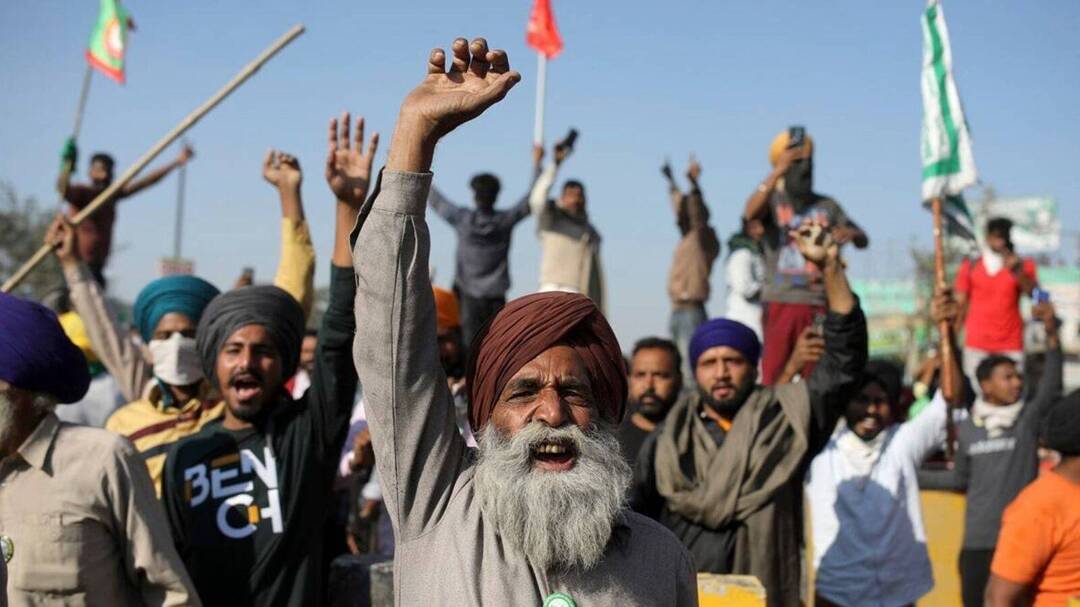
Farmers to hold nationwide protests over India-US trade deal on Feb 12
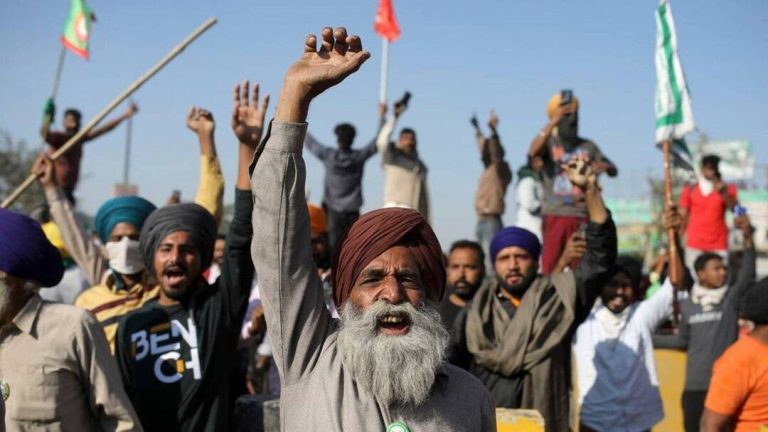
The Indian farming community is gearing up for a massive nationwide protest on February 12 against the recently announced India-US trade deal. The Samyukt Kisan Morcha (SKM) and the All India Kisan Sabha (AIKS), along with several other farmers’ organizations, have joined forces to stage protests across the country, expressing their strong opposition to the interim deal. The SKM has termed the deal a “total surrender” of India’s agriculture and farmers to American multinational corporations (MNCs).
The India-US trade deal has been a topic of controversy since its announcement, with many farmers’ organizations and experts expressing concerns over its potential impact on the Indian agriculture sector. The deal is expected to increase American exports of agricultural products to India, which could lead to a surge in imports and negatively affect the domestic farming industry. The SKM and other farmers’ organizations have been vocal about their opposition to the deal, claiming that it will harm the interests of Indian farmers and benefit only American MNCs.
The SKM has demanded the resignation of Union Minister Piyush Goyal over the matter, holding him responsible for negotiating a deal that is detrimental to the interests of Indian farmers. The organization has also accused the government of betraying the trust of farmers and compromising the country’s food security. The AIKS has also joined the chorus, stating that the deal will lead to the destruction of India’s agriculture sector and the livelihoods of millions of farmers.
The nationwide protests on February 12 are expected to be a massive show of strength by the farming community, with farmers from all over the country participating in the demonstrations. The protests will be held in various cities and towns, with farmers’ organizations and unions mobilizing their members to participate in the agitation. The SKM and AIKS have called upon all farmers, agricultural workers, and supporters to join the protests and express their opposition to the India-US trade deal.
The India-US trade deal has been a subject of controversy for several months, with many experts warning about its potential consequences for the Indian agriculture sector. The deal is expected to increase American exports of agricultural products such as soybean, maize, and cotton to India, which could lead to a surge in imports and negatively affect the domestic farming industry. The deal could also lead to the influx of genetically modified (GM) crops, which have been a topic of controversy in India.
The Indian government has been under pressure from American trade negotiators to open up the country’s agriculture sector to American exports. The government has been keen to finalize a trade deal with the US, which is one of India’s largest trading partners. However, the deal has been opposed by many farmers’ organizations and experts, who argue that it will harm the interests of Indian farmers and compromise the country’s food security.
The SKM and AIKS have been at the forefront of the opposition to the India-US trade deal, organizing protests and demonstrations across the country. The organizations have also been mobilizing public opinion against the deal, highlighting its potential consequences for the Indian agriculture sector. The nationwide protests on February 12 are expected to be a major milestone in the campaign against the deal, with farmers from all over the country participating in the demonstrations.
The Indian farming community is a significant contributor to the country’s economy, with agriculture being one of the largest sectors in terms of employment and GDP. The sector is also critical to the country’s food security, with India being one of the largest producers of food grains in the world. However, the sector has been facing several challenges in recent years, including declining profitability, soil degradation, and climate change.
The India-US trade deal has the potential to exacerbate these challenges, with the influx of American agricultural products and GM crops threatening the livelihoods of Indian farmers. The deal could also lead to the displacement of small and marginal farmers, who are the backbone of the Indian agriculture sector. The SKM and AIKS have been warning about these consequences, highlighting the need for the government to protect the interests of Indian farmers and the country’s food security.
In conclusion, the nationwide protests on February 12 against the India-US trade deal are a significant development in the campaign against the agreement. The protests are expected to be a major show of strength by the farming community, with farmers from all over the country participating in the demonstrations. The SKM and AIKS have been at the forefront of the opposition to the deal, organizing protests and demonstrations across the country. The government must listen to the concerns of the farming community and reconsider the deal, which has the potential to harm the interests of Indian farmers and compromise the country’s food security.
About the Author