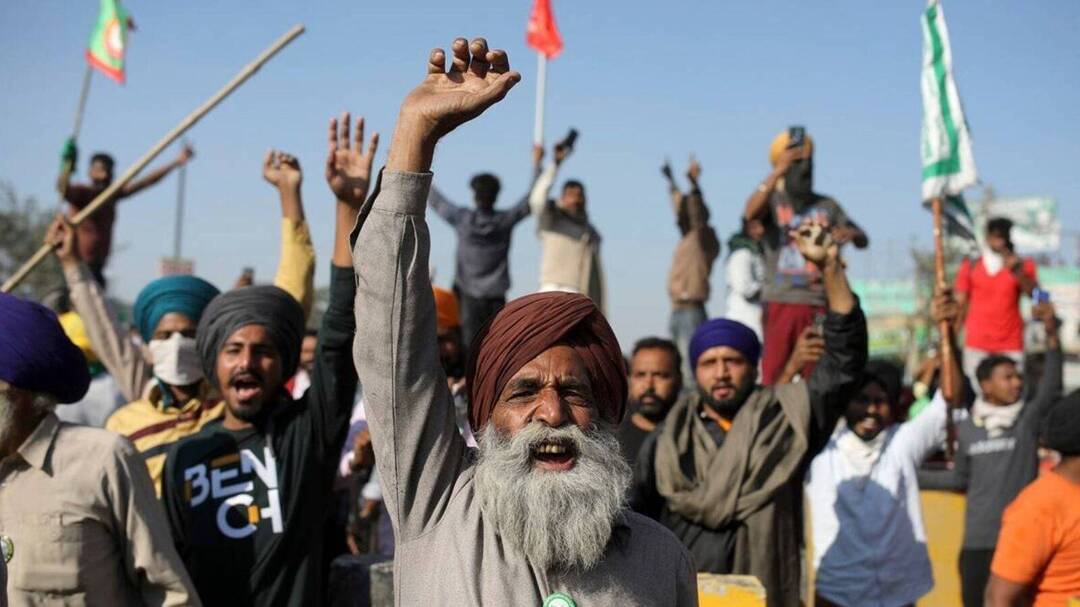
Farmers to hold nationwide protests over India-US trade deal on Feb 12
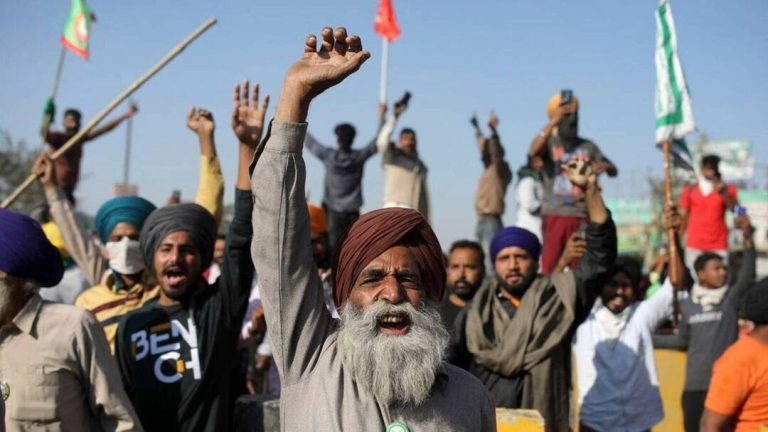
The Indian farming community is once again gearing up for a major showdown with the government, this time over the recently announced India-US trade deal. The Samyukt Kisan Morcha (SKM), a coalition of farmers’ organizations, along with the All India Kisan Sabha (AIKS) and several other farmers’ outfits, have announced plans to stage nationwide protests on February 12 against the trade agreement. The protests are expected to be widespread, with farmers from all over the country participating in the demonstrations.
The SKM has been vocal in its criticism of the India-US trade deal, claiming that it is a “total surrender” of India’s agriculture and farmers to American multinational corporations (MNCs). The organization has argued that the deal will allow American companies to flood the Indian market with cheap, subsidized agricultural products, thereby threatening the livelihoods of Indian farmers. The SKM has also accused the government of betraying the trust of farmers and compromising the country’s food security.
One of the main concerns of the farmers is that the trade deal will lead to the import of cheap agricultural products from the US, which will make it difficult for Indian farmers to compete. The Indian government has agreed to allow the import of certain agricultural products, such as apples and almonds, from the US, which has sparked fears among farmers that their livelihoods will be threatened. The SKM has also pointed out that the deal will benefit American MNCs at the expense of Indian farmers, who will be forced to sell their produce at lower prices.
The SKM has demanded that the government scrap the trade deal and instead focus on improving the livelihoods of Indian farmers. The organization has also demanded the resignation of Union Minister Piyush Goyal, who has been instrumental in negotiating the trade deal. The SKM has accused Goyal of betraying the trust of farmers and compromising the country’s food security.
The protests on February 12 are expected to be a major show of strength by the farming community, which has been at the forefront of several protests and demonstrations in recent years. The farmers’ movement has gained significant momentum in recent years, with the SKM and other farmers’ organizations playing a key role in mobilizing farmers and advocating for their rights.
The India-US trade deal has been in the works for several years, with the two countries engaging in intense negotiations to reach an agreement. The deal is expected to increase trade between the two countries and provide a boost to the Indian economy. However, the deal has been criticized by many, including farmers’ organizations, who argue that it will harm the interests of Indian farmers and compromise the country’s food security.
The protests on February 12 are expected to be peaceful, with farmers and their supporters gathering in cities and towns across the country to demonstrate against the trade deal. The SKM has called upon all farmers’ organizations and supporters to participate in the protests, which are expected to be a major show of strength by the farming community.
The Indian government has been facing significant pressure from farmers’ organizations in recent years, with the community demanding better prices for their produce, improved infrastructure, and protection from cheap imports. The government has responded to these demands by implementing several initiatives, including the PM-Kisan scheme, which provides financial support to farmers. However, the farming community remains dissatisfied, with many arguing that the government has not done enough to address their concerns.
The protests on February 12 are likely to put further pressure on the government to address the concerns of farmers and reconsider the India-US trade deal. The SKM and other farmers’ organizations have made it clear that they will not back down until their demands are met, and the government is forced to take notice of their concerns.
In conclusion, the nationwide protests on February 12 are a significant development in the ongoing saga of the India-US trade deal. The protests demonstrate the strong opposition to the deal among farmers’ organizations and the wider community, who are concerned about the impact of the agreement on Indian farmers and the country’s food security. The government will be forced to take notice of the protests and consider the concerns of farmers, who are demanding better prices for their produce, improved infrastructure, and protection from cheap imports.
About the Author