Demand for Einstein Visas Rises as US H-1B Visa Fees Surge
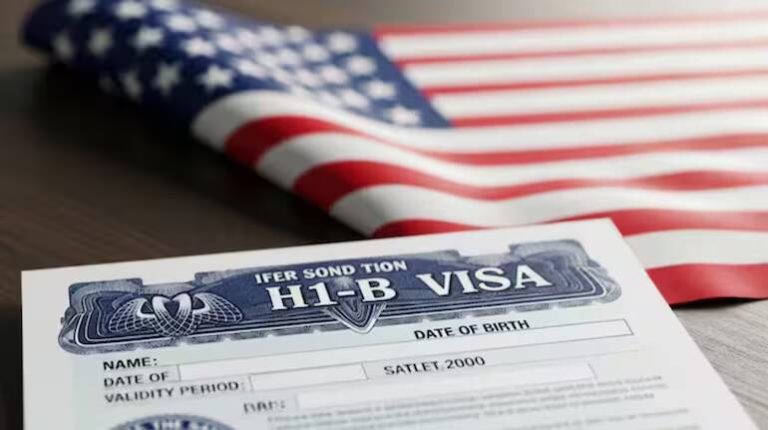
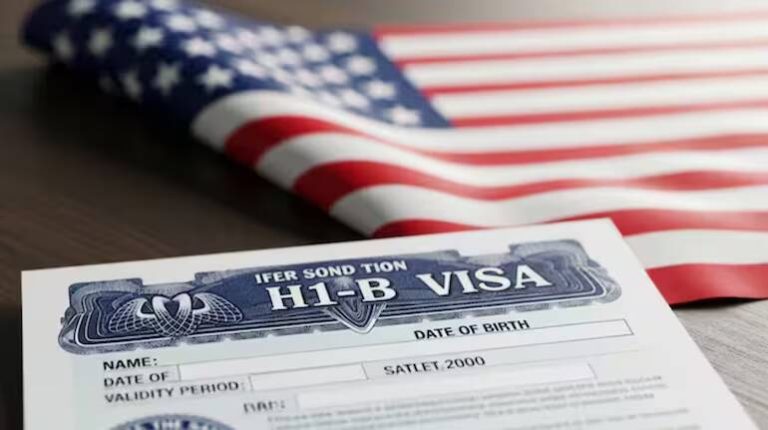
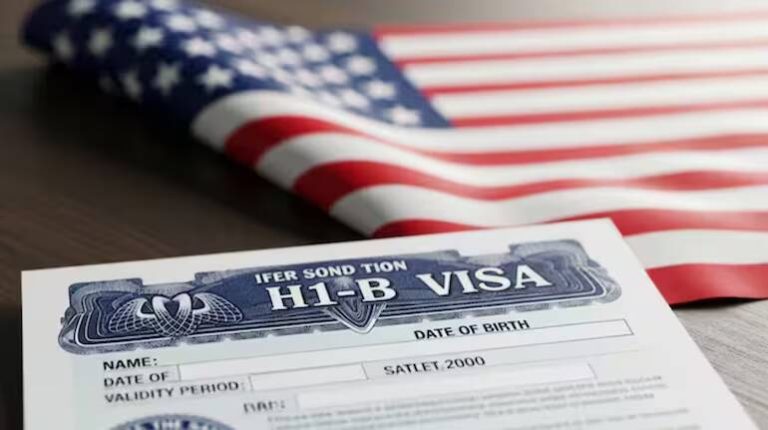
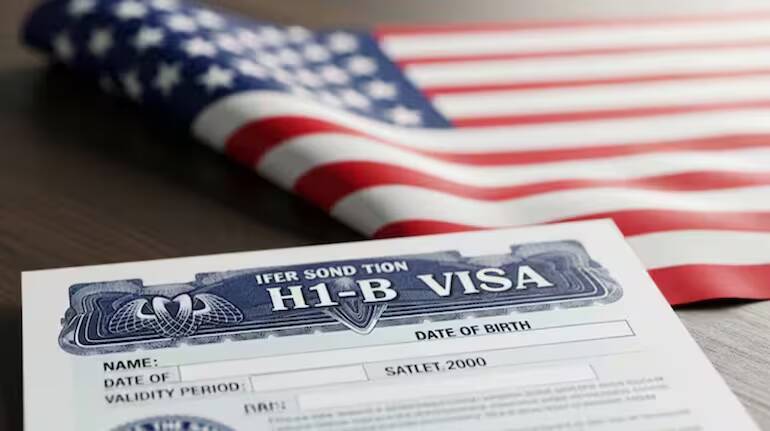
The United States has long been a hub for innovation and technological advancements, attracting top talent from around the world. The H-1B visa program, which allows US employers to temporarily employ foreign workers in specialty occupations, has been a popular route for individuals seeking to work in the country. However, with the recent surge in fees for employment-based US H-1B visas, applicants are now turning to an alternative option: the “Einstein visa”.
The Einstein visa, officially known as the O-1 visa, is reserved for individuals who can demonstrate extraordinary ability in their field, such as science, technology, engineering, and mathematics (STEM). This visa category is designed to attract the best and brightest minds to the US, and its popularity has skyrocketed in recent months. According to a CBS News investigation, the demand for Einstein visas has increased significantly, with many applicants seeking to bypass the H-1B visa program and its rising fees.
The H-1B visa program has been facing criticism in recent years, with many arguing that it is being misused by employers to hire cheap labor from abroad. The program has also been plagued by long wait times and high rejection rates. The recent fee hike, which has increased the cost of applying for an H-1B visa by thousands of dollars, has made it even more difficult for applicants to secure a spot. As a result, many are now turning to the Einstein visa as a more viable option.
But how are applicants managing to qualify for the prestigious Einstein visa? A CBS News investigation has revealed that brokers are helping applicants get Einstein visas by adding their names as co-authors on scholarly articles. This practice, known as “visa mill” or “paper mill”, involves paying to have one’s name added to academic papers, often without actually contributing to the research. This can make it appear as though the applicant has a more impressive academic record, increasing their chances of securing an Einstein visa.
The investigation found that most clients seeking Einstein visas through these brokers are from India, a country that has long been a major source of H-1B visa applicants. Indian nationals have been disproportionately affected by the H-1B visa fee hike, and many are now seeking alternative routes to work in the US. The use of brokers to secure Einstein visas has raised concerns about the integrity of the visa program, with some arguing that it is being exploited by those who do not truly meet the eligibility criteria.
The Einstein visa program is designed to attract the best and brightest minds to the US, and it is intended to be a merit-based system. However, the use of brokers to secure visas by artificially inflating an applicant’s academic credentials undermines the integrity of the program. It also raises concerns about the potential for abuse, as individuals who do not truly meet the eligibility criteria may be able to secure visas through these means.
The US government has taken steps to crack down on visa mills and paper mills, but the practice remains widespread. The CBS News investigation highlights the need for greater scrutiny of the Einstein visa program and the use of brokers to secure visas. It also underscores the need for a more efficient and effective H-1B visa program, one that is not plagued by long wait times and high rejection rates.
In conclusion, the demand for Einstein visas has risen significantly in recent months, as applicants seek to bypass the H-1B visa program and its rising fees. However, the use of brokers to secure Einstein visas by artificially inflating an applicant’s academic credentials raises concerns about the integrity of the program. The US government must take steps to address these concerns and ensure that the Einstein visa program remains a merit-based system that attracts the best and brightest minds to the US.
About the Author