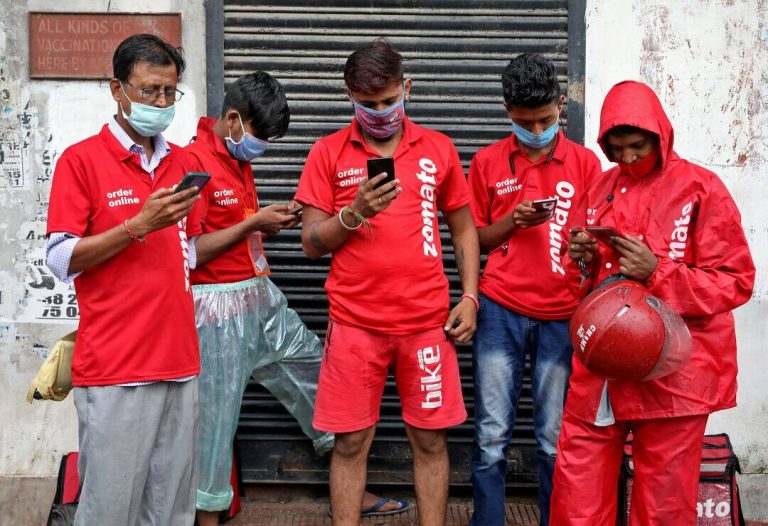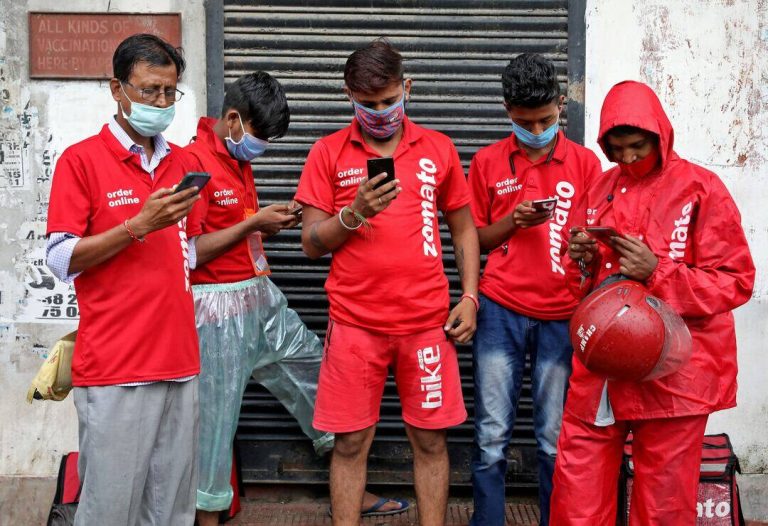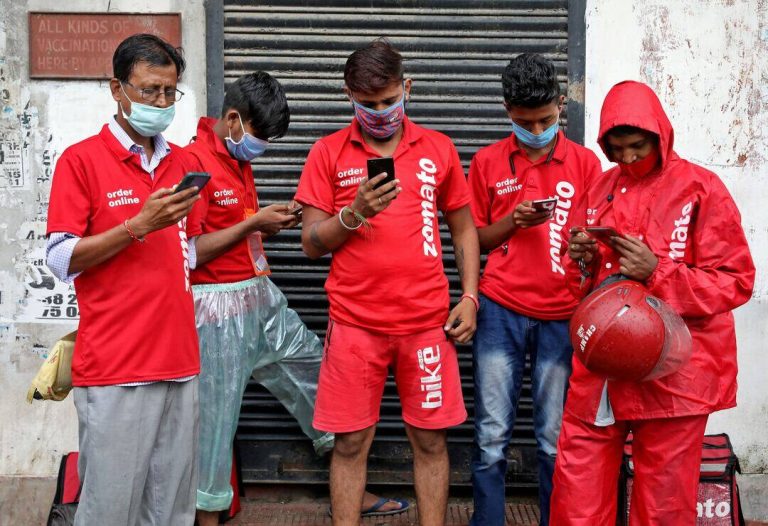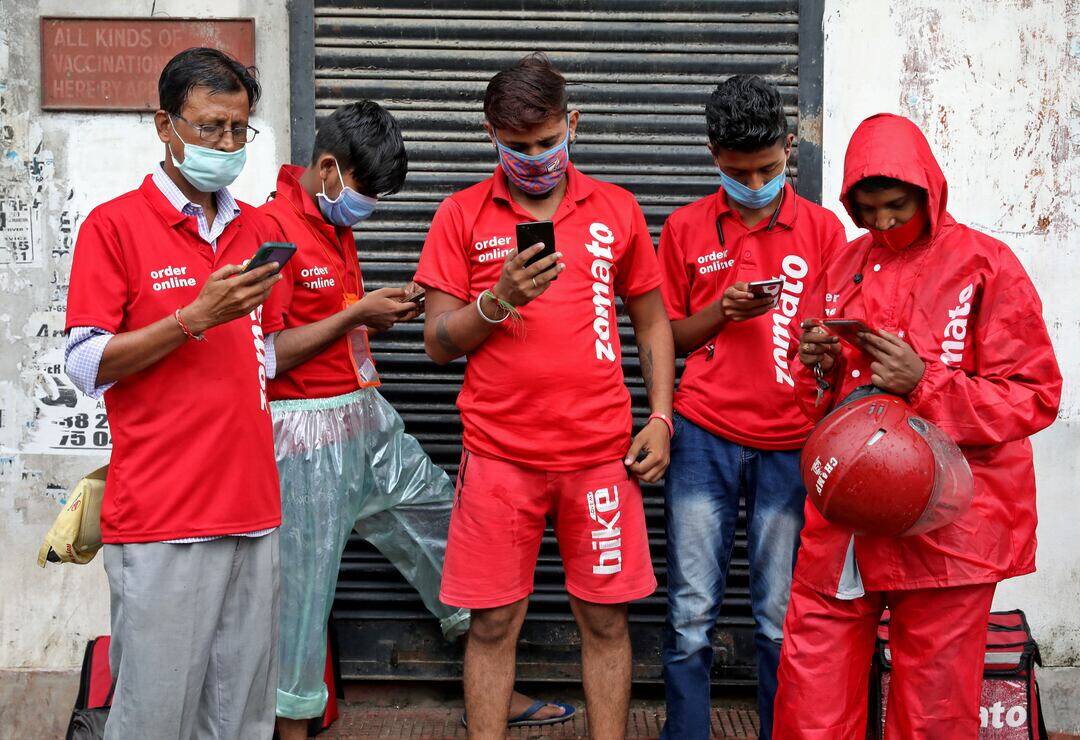
Deepinder claims issue with gig economy is it exposed class divide, says ‘We tip awkwardly’
The gig economy has been a topic of discussion for many years, with proponents arguing that it provides flexibility and opportunities for workers, while critics argue that it perpetuates inequality and exploitation. Recently, billionaire Deepinder Goyal weighed in on the issue, claiming that the problem with the gig economy is not its inherent structure, but rather the fact that it has exposed the prevailing class divide in our society.
According to Goyal, the gig economy has brought to light the stark contrast between the haves and have-nots, making it impossible for the consuming class to ignore the struggles of the working class. “Suddenly, the poor aren’t hidden away,” he said. “Now, every doorbell is a reminder of systemic inequality.” This statement highlights the fact that the gig economy has made visible the invisible labor that was previously hidden from the public eye.
Goyal’s statement suggests that the issue with the gig economy is not just an economic one, but also a social and moral one. By bringing the working class into our homes and our daily lives, the gig economy has forced us to confront the guilt and discomfort that comes with acknowledging the vast inequalities that exist in our society. As Goyal so aptly put it, “We aren’t just debating economics, we’re confronting guilt.”
One of the most striking aspects of Goyal’s statement is his observation that our interactions with gig workers are often marked by awkwardness and discomfort. “We tip awkwardly,” he said, “because inequality is no longer abstract.” This statement highlights the fact that our interactions with gig workers are often fraught with tension and guilt, as we are forced to confront the fact that we are benefiting from a system that perpetuates inequality.
The phenomenon of tipping is a perfect example of this awkwardness. When we tip a gig worker, we are acknowledging that they are not being paid a living wage, and that we are complicit in a system that exploits them. At the same time, we are also trying to alleviate our own guilt and discomfort by throwing a few extra dollars their way. This awkwardness is a symptom of a larger problem, one that highlights the deep-seated inequalities that exist in our society.
Goyal’s statement also raises important questions about the nature of work and the role of technology in perpetuating inequality. The gig economy has been hailed as a revolutionary force that has disrupted traditional industries and created new opportunities for workers. However, it has also been criticized for perpetuating a culture of precarity and exploitation, where workers are forced to juggle multiple jobs just to make ends meet.
As we move forward, it is essential that we acknowledge the class divide that the gig economy has exposed and work towards creating a more equitable society. This will require a fundamental transformation of our economic system, one that prioritizes the needs and dignity of all workers, regardless of their background or occupation. It will also require us to confront our own guilt and discomfort, and to take responsibility for our role in perpetuating inequality.
In conclusion, Deepinder Goyal’s statement highlights the complex and multifaceted nature of the gig economy, and the ways in which it has exposed the prevailing class divide in our society. As we move forward, it is essential that we acknowledge the awkwardness and discomfort that comes with interacting with gig workers, and work towards creating a more equitable and just society for all.
Source: https://x.com/deepigoyal/status/2007030873711927381
About the Author