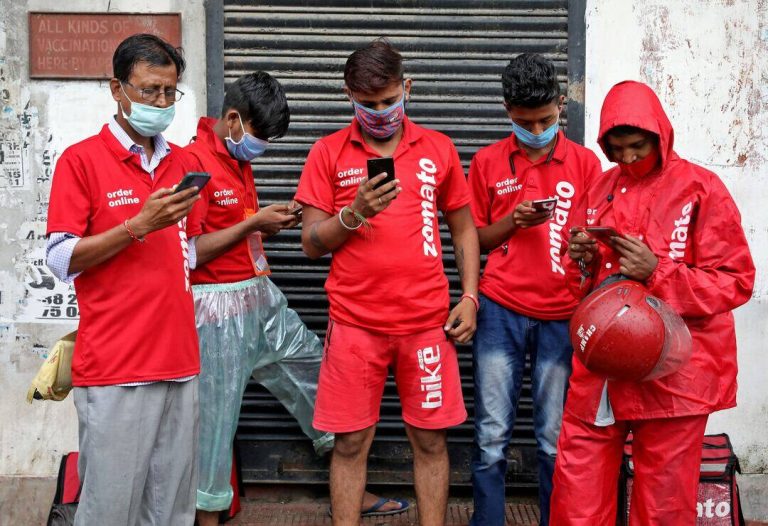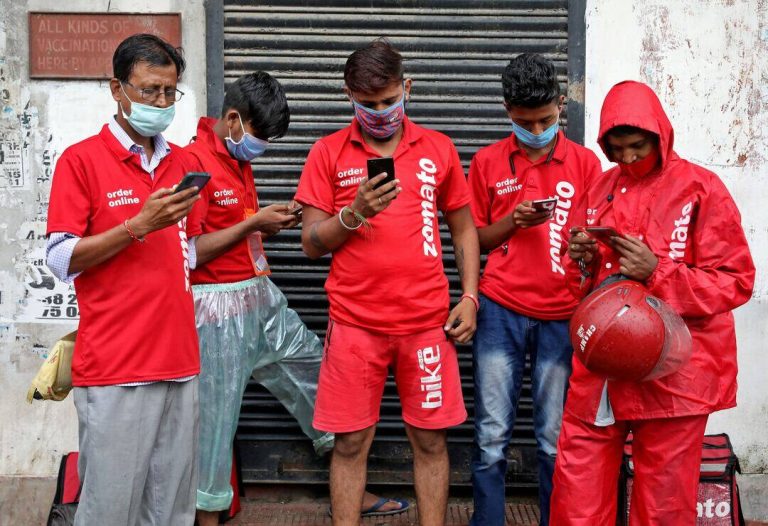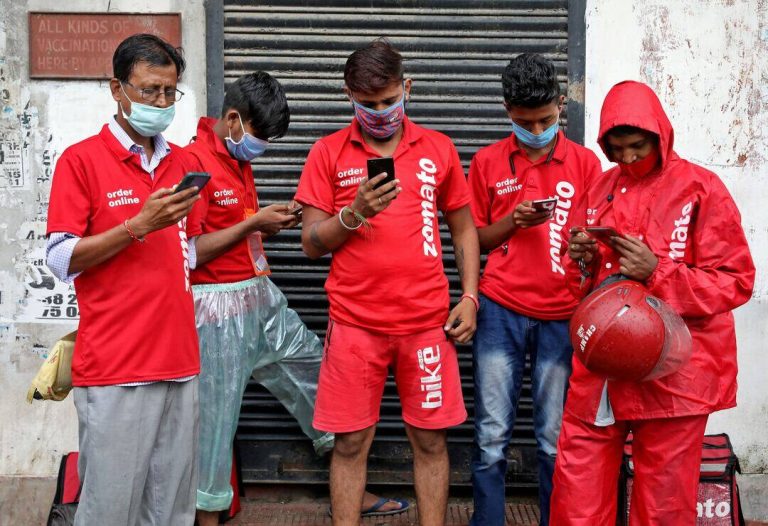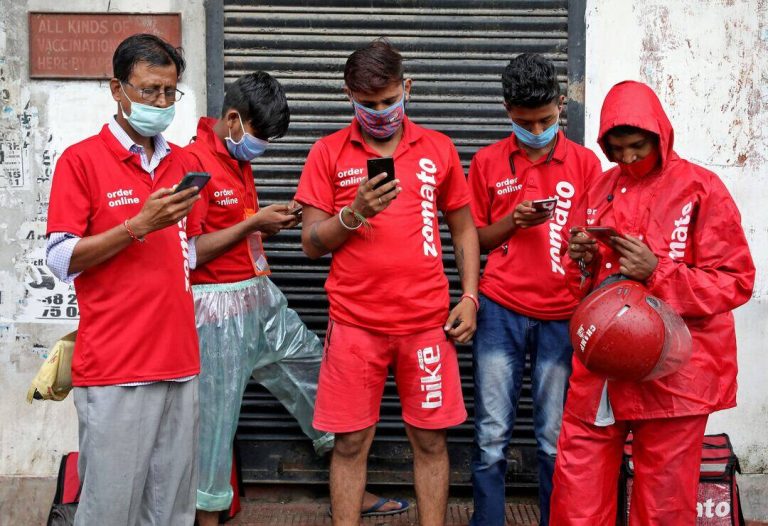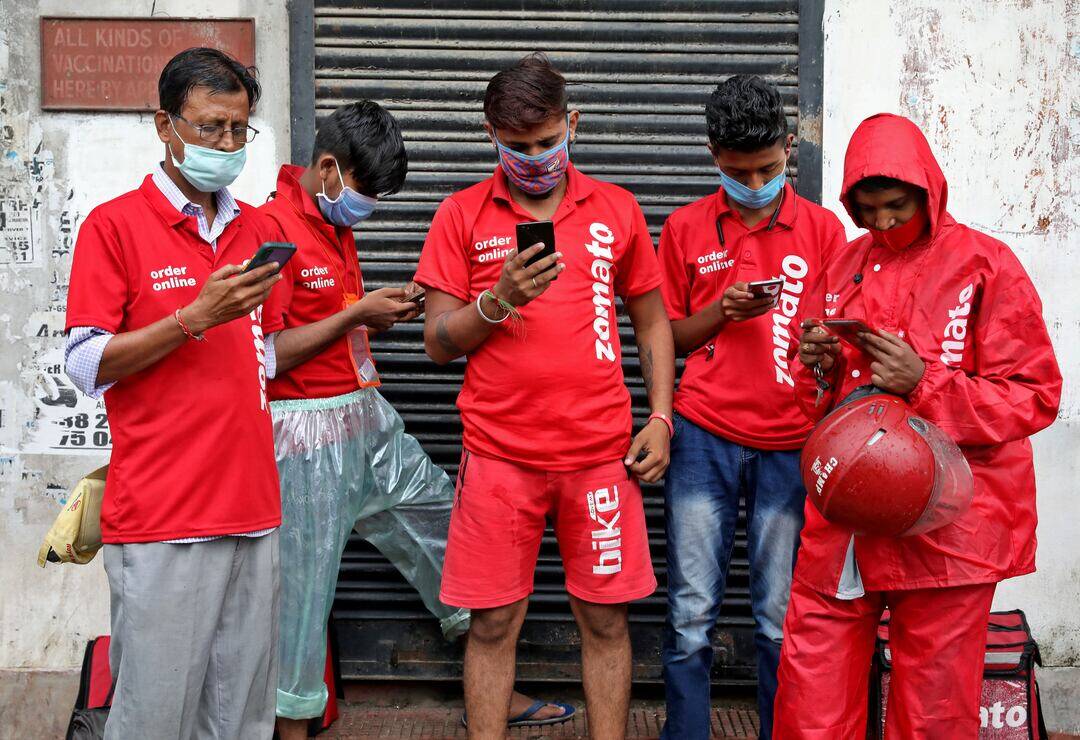
Deepinder claims issue with gig economy is it exposed class divide, says ‘We tip awkwardly’
The gig economy has been a topic of discussion for many years, with proponents arguing that it provides flexibility and opportunities for workers, while critics argue that it perpetuates inequality and exploitation. Recently, billionaire Deepinder Goyal weighed in on the issue, claiming that the problem with the gig economy is not its economic model, but rather the fact that it has exposed the prevailing class divide in society. According to Goyal, the gig economy has brought to light the systemic inequality that has long been hidden, and this has made many people uncomfortable.
Goyal’s comments were made in a recent statement, where he said, “Suddenly, poor aren’t hidden away…Now, every doorbell is a reminder of systemic inequality.” He argued that the gig economy has made it impossible for people to ignore the fact that there are many individuals who are struggling to make ends meet, and that this has forced people to confront their own guilt and discomfort with inequality. As Goyal put it, “We aren’t just debating economics, we’re confronting guilt…We tip awkwardly…because inequality is no longer abstract.”
This statement highlights the complex issues surrounding the gig economy and its impact on society. On the one hand, the gig economy has created new opportunities for people to work flexibly and earn a living. However, it has also perpetuated a system in which many workers are exploited and lack basic rights and benefits. The fact that many gig economy workers are forced to rely on tips to make a living wage is a stark reminder of the inequality that exists in our society.
Goyal’s comments also highlight the way in which the gig economy has changed the way we interact with service workers. In the past, many service workers were invisible, working behind the scenes to provide services such as cleaning, cooking, and transportation. However, the gig economy has brought these workers to the forefront, making them visible and forcing us to confront the fact that they are human beings who deserve to be treated with dignity and respect.
The issue of tipping is also an interesting one, as it highlights the awkwardness and discomfort that many people feel when interacting with service workers. As Goyal said, “We tip awkwardly…because inequality is no longer abstract.” This statement suggests that many people feel guilty about the fact that they are able to afford to pay for services, while the workers who provide those services are struggling to make a living wage. The act of tipping has become a way for people to alleviate their guilt, but it also perpetuates a system in which workers are forced to rely on the charity of others to make a living.
The gig economy has also raised important questions about the nature of work and the role of technology in shaping our economy. As more and more people turn to gig work as a way to make a living, it has become clear that the old models of work are no longer sufficient. The gig economy has created new opportunities for flexibility and autonomy, but it has also perpetuated a system of exploitation and inequality.
In conclusion, Deepinder Goyal’s comments highlight the complex issues surrounding the gig economy and its impact on society. The fact that the gig economy has exposed the prevailing class divide in society is a stark reminder of the need for greater awareness and action to address inequality. As Goyal said, “We aren’t just debating economics, we’re confronting guilt…We tip awkwardly…because inequality is no longer abstract.” It is time for us to confront the reality of inequality and to work towards creating a more just and equitable society.
The gig economy is not going away, and it is up to us to ensure that it is used as a force for good, rather than a tool of exploitation. This will require a fundamental transformation of our economy and our society, but it is a necessary step towards creating a more just and equitable world. As we move forward, it is essential that we prioritize the needs and dignity of all workers, and that we work towards creating a system that values and respects the contributions of all individuals.
Ultimately, the issue of the gig economy and its impact on society is a complex one, and there are no easy solutions. However, by acknowledging the problems and working towards creating a more just and equitable system, we can create a better future for all. As we consider the implications of the gig economy, it is essential that we remember the words of Deepinder Goyal, and that we work towards creating a world in which inequality is no longer abstract, but rather a distant memory.
News Source: https://x.com/deepigoyal/status/2007030873711927381
About the Author