Deepinder claims issue with gig economy is it exposed class divide, says ‘We tip awkwardly’
The gig economy has been a topic of discussion for many years, with its impact on the workforce and the economy as a whole being debated by experts and policymakers. However, according to billionaire Deepinder Goyal, the problem with the gig economy is not its economic implications, but rather the way it has exposed the prevailing class divide in our society. In a recent statement, Goyal claimed that the gig economy has brought to light the systemic inequality that exists in our society, making it impossible for us to ignore.
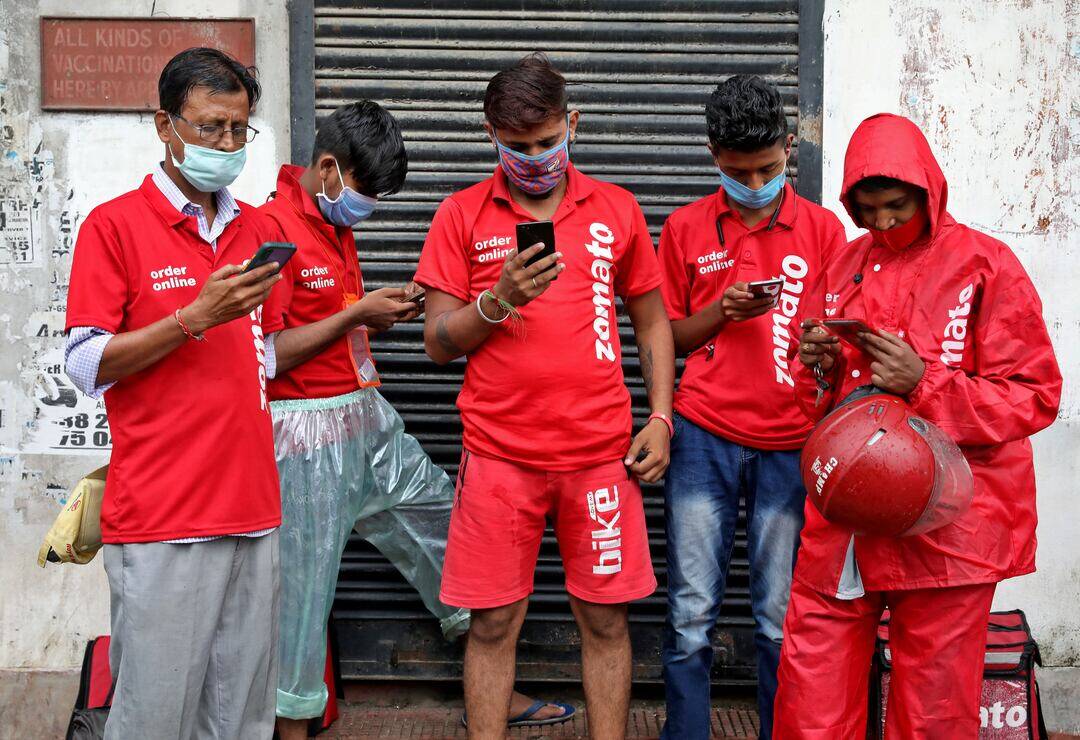
Goyal’s statement was in response to the growing concerns about the gig economy and its impact on workers. He argued that the gig economy has made it possible for people from different socio-economic backgrounds to interact with each other in a way that was not possible before. With the rise of food delivery and ride-hailing services, people from all walks of life are now interacting with workers who are struggling to make ends meet. This, according to Goyal, has brought the class divide to the forefront, making it impossible for people to ignore the systemic inequality that exists in our society.
“Suddenly, poor aren’t hidden away,” Goyal said. “Now, every doorbell is a reminder of systemic inequality.” These words are a stark reminder of the reality of the class divide in our society. For many years, people from lower socio-economic backgrounds have been invisible, working behind the scenes to keep our economy running. However, with the rise of the gig economy, they are now visible, and their struggles are being recognized.
Goyal’s statement also highlights the guilt that many people feel when interacting with gig economy workers. “We aren’t just debating economics, we’re confronting guilt,” he said. This guilt is a result of the realization that the people who are delivering our food or driving us around are struggling to make ends meet. It is a reminder that the system is not working for everyone, and that there are people who are being left behind.
The way we tip gig economy workers is also a reflection of this guilt. “We tip awkwardly…because inequality is no longer abstract,” Goyal said. Tipping is a way of showing appreciation for the services we receive, but it is also a reminder of the power dynamic that exists between the consumer and the worker. When we tip, we are acknowledging that the worker is not being paid a living wage, and that we need to supplement their income in order for them to survive.
The implications of Goyal’s statement are far-reaching. If the gig economy is indeed exposing the class divide in our society, then it is time for us to take a hard look at our economic system and the way it is structured. We need to ask ourselves why there are people who are struggling to make ends meet, and what we can do to change this. We need to recognize that the gig economy is not just an economic issue, but also a social and moral one.
Furthermore, Goyal’s statement highlights the need for a more nuanced discussion about the gig economy. We need to move beyond the debate about the economic implications of the gig economy and start talking about the social and moral implications. We need to recognize that the gig economy is not just about economics, but also about people’s lives and dignity.
In conclusion, Deepinder Goyal’s statement about the gig economy is a wake-up call for all of us. It is a reminder that the class divide in our society is real, and that it is time for us to take action to address it. We need to recognize that the gig economy is not just an economic issue, but also a social and moral one. We need to start talking about the systemic inequality that exists in our society and what we can do to change it.
As we move forward, it is essential that we keep the conversation going. We need to continue to discuss the implications of the gig economy and the class divide in our society. We need to recognize that the gig economy is not just about economics, but also about people’s lives and dignity. By doing so, we can work towards creating a more just and equitable society for all.
Source: https://x.com/deepigoyal/status/2007030873711927381
About the Author