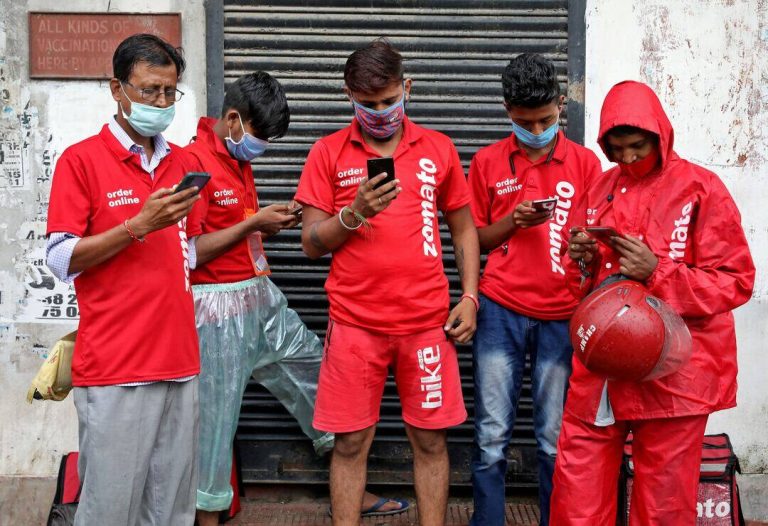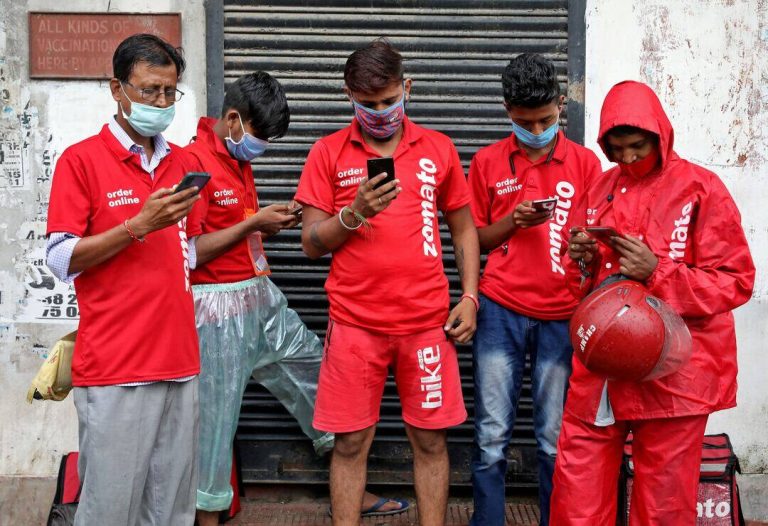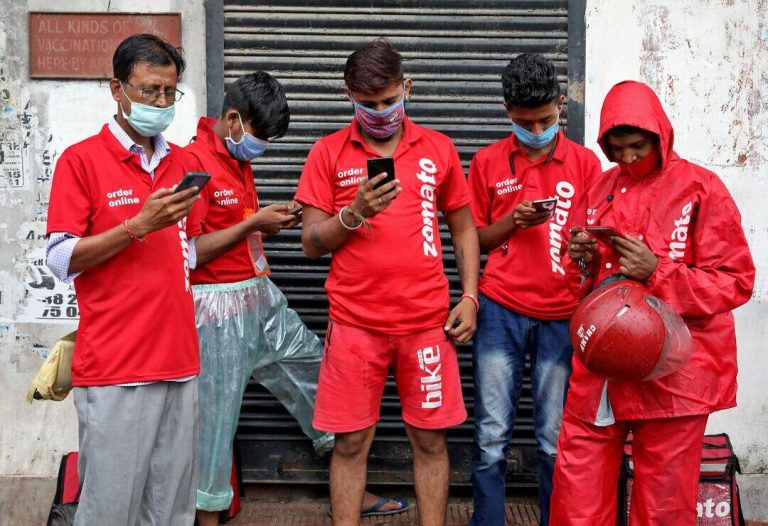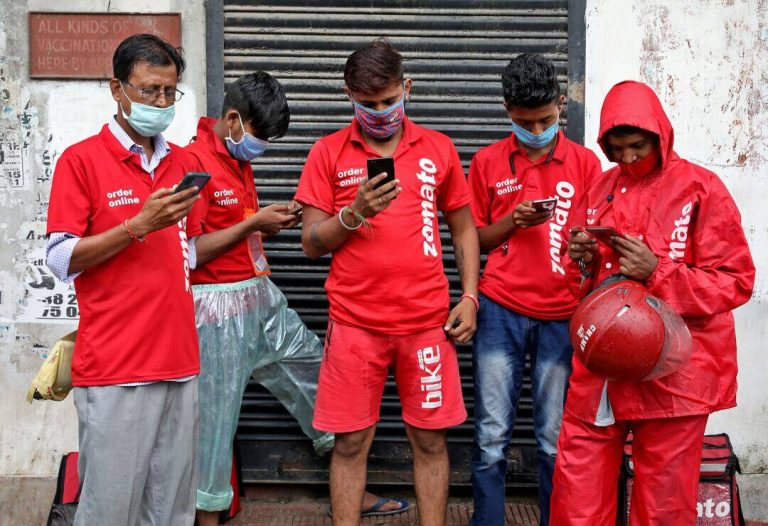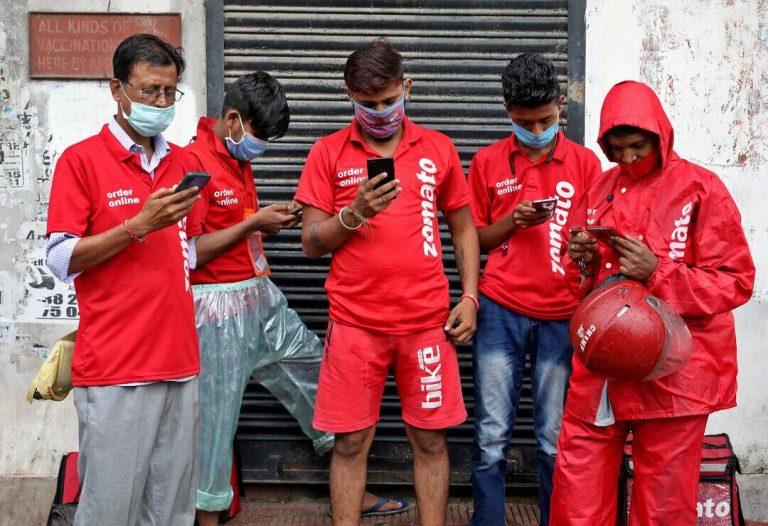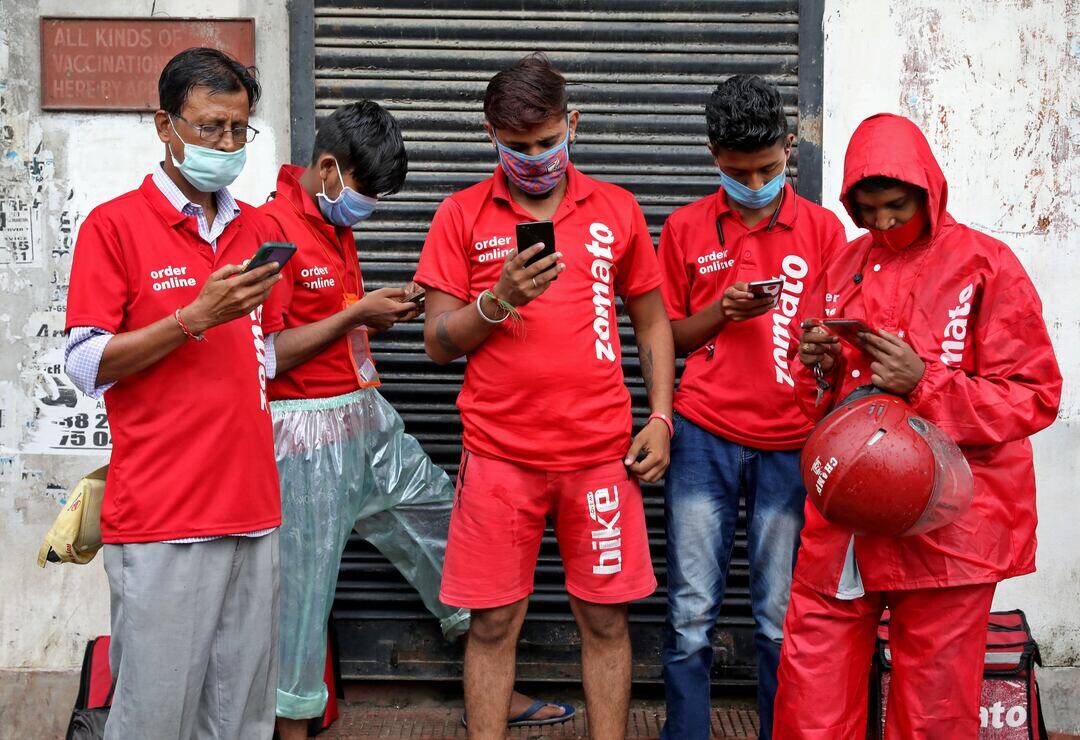
Deepinder claims issue with gig economy is it exposed class divide, says ‘We tip awkwardly’
The gig economy has been a topic of discussion for many years, with proponents arguing that it provides flexibility and opportunities for workers, while critics argue that it perpetuates inequality and exploitation. Recently, billionaire Deepinder Goyal, the founder of Zomato, weighed in on the debate, claiming that the problem with the gig economy is not its inherent structure, but rather the fact that it has brought the prevailing class divide to light.
According to Goyal, the gig economy has made it impossible for the consuming class to ignore the existence of the working class. “Suddenly, the poor aren’t hidden away,” he said. “Now, every doorbell is a reminder of systemic inequality.” This statement highlights the uncomfortable truth that the gig economy has forced us to confront the stark contrast between the haves and have-nots.
Goyal’s comments were made in response to the growing debate about the gig economy and its impact on workers. Many have argued that the gig economy perpetuates exploitation, with workers being paid low wages and denied benefits. However, Goyal’s perspective offers a different lens through which to view the issue. He suggests that the problem is not the gig economy itself, but rather the fact that it has exposed the deep-seated class divide that exists in our society.
The gig economy has indeed made it more visible than ever before that there are two distinct classes of people: those who have the means to afford convenience and those who are forced to provide it. The fact that we can now have food delivered to our doorstep with the click of a button has made it impossible to ignore the existence of the working class. Every time we order food or hail a ride, we are reminded of the people who are working behind the scenes to make our lives easier.
Goyal’s statement that “we aren’t just debating economics, we’re confronting guilt” is particularly poignant. The gig economy has forced us to confront the uncomfortable truth that our convenience comes at a cost. We are no longer able to ignore the fact that there are people who are struggling to make ends meet, working long hours for low wages, and living in poverty. The gig economy has made it impossible for us to turn a blind eye to the systemic inequality that exists in our society.
The fact that we “tip awkwardly” is a testament to the guilt that we feel when confronted with the reality of the class divide. We tip because we feel a sense of obligation to the worker who has provided us with a service, but we also tip because we are trying to alleviate our own guilt. We know that the worker is not being paid a living wage, and we feel a sense of responsibility to make up for it. However, this guilt is not enough to prompt us to take action to address the systemic issues that perpetuate inequality.
The gig economy has also highlighted the issue of class divide in other ways. For example, the fact that workers are forced to wear uniforms and follow strict guidelines has made it clear that they are not treated as equals. The fact that we can rate and review workers has also created a power dynamic that is deeply uncomfortable. We are able to exert control over the workers who provide us with services, and this has created a sense of entitlement that is problematic.
Furthermore, the gig economy has also raised questions about the nature of work and what it means to be a worker. The fact that workers are classified as independent contractors rather than employees has made it clear that they are not entitled to the same rights and benefits as traditional employees. This has created a sense of precarity and uncertainty that is deeply unsettling.
In conclusion, Deepinder Goyal’s comments about the gig economy and class divide are a timely reminder of the need to address the systemic issues that perpetuate inequality. The gig economy has indeed exposed the class divide, and it is up to us to take action to address it. We need to recognize that the issue is not just about economics, but also about guilt and responsibility. We need to confront the fact that our convenience comes at a cost, and we need to take action to ensure that workers are treated with dignity and respect.
As Goyal so eloquently put it, “inequality is no longer abstract.” The gig economy has made it impossible for us to ignore the fact that there are two distinct classes of people, and it is up to us to take action to address it. We can start by recognizing the value of the work that gig economy workers do, and by advocating for policies that protect their rights and interests. We can also start by being more mindful of our own role in perpetuating inequality, and by taking steps to reduce our own carbon footprint and increase our own sense of social responsibility.
Source: https://x.com/deepigoyal/status/2007030873711927381
About the Author