Deepinder claims issue with gig economy is it exposed class divide, says ‘We tip awkwardly’
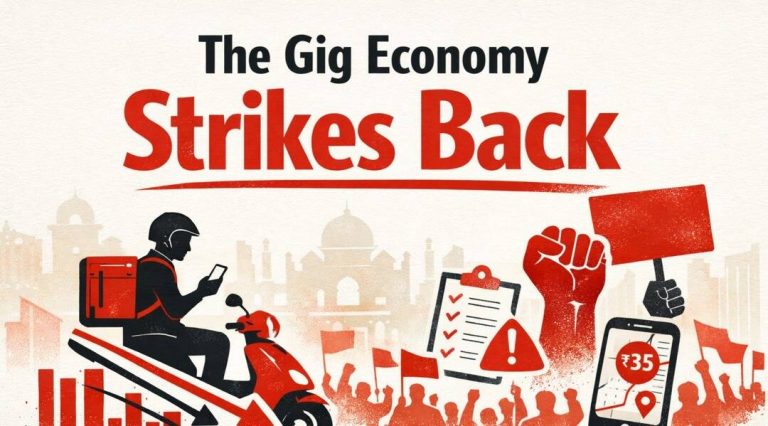
The gig economy, which has revolutionized the way we work and interact with service providers, has been a subject of intense debate in recent years. While it has created new opportunities for entrepreneurship and flexibility, it has also raised concerns about worker exploitation, lack of benefits, and social inequality. Recently, billionaire Deepinder Goyal, the founder of Zomato, a popular food delivery platform, weighed in on the issue, offering a thought-provoking perspective on the gig economy’s problems.
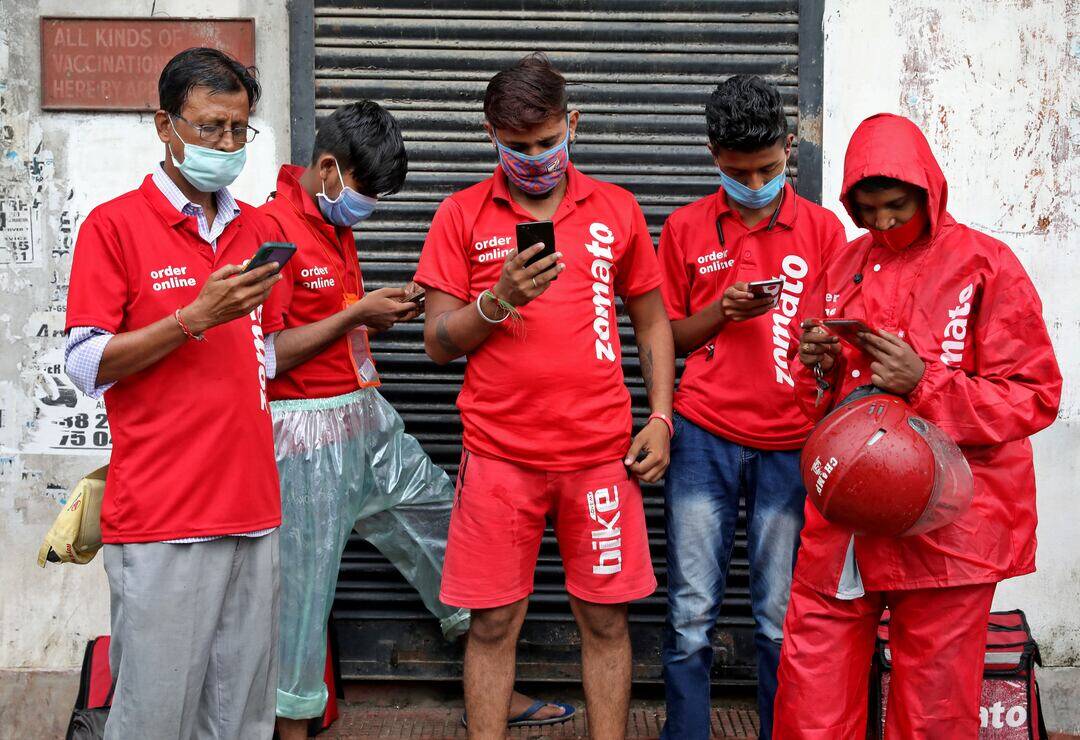
According to Goyal, the gig economy’s problem is not just about economics or worker rights, but about something more profound: it has exposed the prevailing class divide in our society. By ensuring that workers are seen by the consuming class, the gig economy has brought to light the stark inequalities that exist in our world. “Suddenly, the poor aren’t hidden away,” Goyal said. “Now, every doorbell is a reminder of systemic inequality.”
Goyal’s statement highlights the uncomfortable truth that the gig economy has forced us to confront. In the past, the wealthy and the poor existed in separate worlds, with minimal interaction. However, with the rise of platforms like Zomato, Uber, and other food delivery and ride-hailing services, the boundaries between these worlds have become increasingly blurred. Today, it is common for people from different socio-economic backgrounds to interact with each other, often in the context of a transaction.
This increased visibility of the working class has created a sense of discomfort among the affluent, who are now forced to confront the harsh realities of income inequality. As Goyal put it, “We aren’t just debating economics, we’re confronting guilt.” The guilt of knowing that the person delivering our food or driving us to our destination is struggling to make ends meet, while we enjoy the comforts of our privileged lives.
One of the most striking aspects of Goyal’s statement is his observation about tipping. “We tip awkwardly,” he said, “because inequality is no longer abstract.” Tipping, which is a common practice in the service industry, has become a way for us to assuage our guilt and make up for the low wages paid to workers. However, it is a Band-Aid solution that does not address the root cause of the problem.
The issue of tipping highlights the complexities of the gig economy and the power dynamics at play. On the one hand, tipping allows consumers to show their appreciation for good service and provides a way for workers to earn extra income. On the other hand, it creates uncertainty and inconsistency, as workers are often at the mercy of the consumer’s whims. Moreover, tipping perpetuates the notion that workers are not entitled to a fair wage, but rather must rely on the charity of others to make a living.
Goyal’s comments have sparked a necessary conversation about the gig economy and its impact on society. While the gig economy has created new opportunities for entrepreneurship and flexibility, it has also exacerbated existing social inequalities. As we move forward, it is essential to consider the human cost of our actions and the consequences of our choices.
The gig economy is not just about economics; it is about people. It is about the workers who toil behind the scenes to deliver our food, drive us to our destinations, and provide us with services. It is about the consumers who rely on these services and often take them for granted. And it is about the complex web of relationships that exists between these two groups.
As we navigate the complexities of the gig economy, it is crucial to prioritize empathy and understanding. We must recognize that the workers who serve us are not just cogs in a machine, but human beings with dignity and worth. We must also acknowledge the systemic inequalities that exist in our society and work towards creating a more just and equitable world.
In conclusion, Deepinder Goyal’s comments offer a profound insight into the problems of the gig economy. By exposing the class divide and forcing us to confront our guilt, the gig economy has created a sense of unease and discomfort. However, this discomfort can also be a catalyst for change. As we move forward, it is essential to prioritize the human element of the gig economy and work towards creating a more just and equitable society for all.
News Source: https://x.com/deepigoyal/status/2007030873711927381
About the Author