Deepinder claims issue with gig economy is it exposed class divide, says ‘We tip awkwardly’
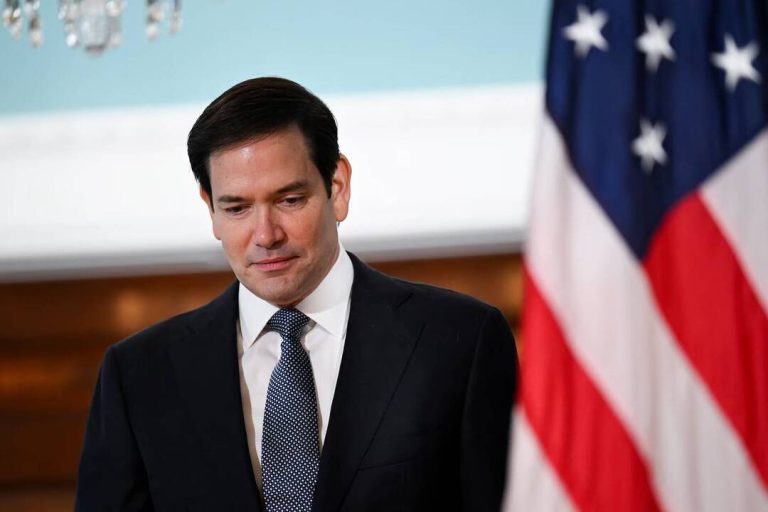
The gig economy, which has revolutionized the way we work and live, has been a topic of discussion and debate in recent years. While it has provided opportunities for millions of people to earn a living and have a sense of independence, it has also raised concerns about the treatment and welfare of workers. Recently, billionaire Deepinder Goyal, the founder of Zomato, a popular food delivery company, weighed in on the issue, claiming that the problem with the gig economy is that it has exposed the prevailing class divide in our society.
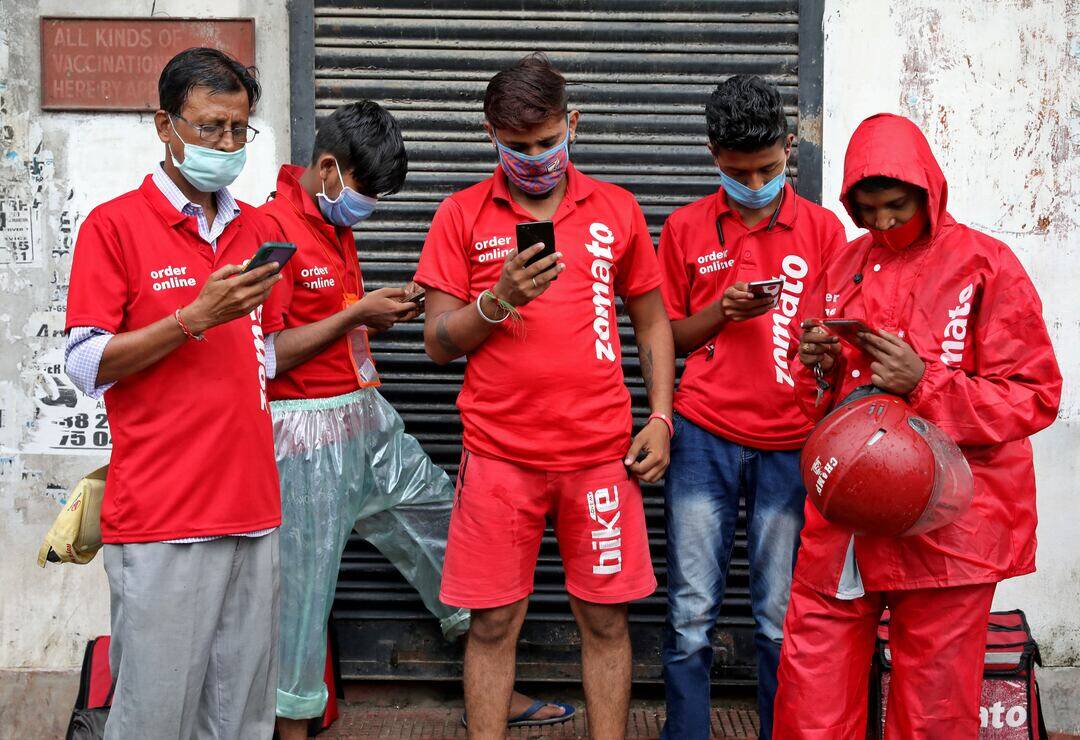
According to Goyal, the gig economy has brought to light the existing class divide by ensuring that workers are seen by the consuming class. He stated that “suddenly, the poor aren’t hidden away” and that “every doorbell is a reminder of systemic inequality.” This statement highlights the fact that the gig economy has made it impossible for us to ignore the poverty and inequality that exists in our society. With the rise of food delivery and other services, we are constantly reminded of the people who are working behind the scenes to deliver our food, clean our homes, and provide other essential services.
Goyal’s statement also touches on the guilt and discomfort that many of us feel when we interact with gig workers. He said, “We aren’t just debating economics, we’re confronting guilt…We tip awkwardly…because inequality is no longer abstract.” This is a profound observation, as it highlights the fact that our interactions with gig workers are often tinged with a sense of guilt and awkwardness. We know that these workers are not being paid a living wage, and that they are often forced to work long hours in difficult conditions. This knowledge makes us feel uncomfortable, and we often try to alleviate our guilt by tipping them or treating them with kindness.
However, as Goyal pointed out, tipping is not a solution to the problem of inequality. It is a Band-Aid that we use to cover up the wound of poverty and exploitation. By tipping, we are acknowledging that the worker is not being paid enough, but we are not addressing the root cause of the problem. We are not demanding that companies pay their workers a living wage, or that the government implements policies to protect the rights of workers.
The gig economy has also raised questions about the nature of work and the relationship between workers and employers. With the rise of platforms like Uber, Airbnb, and Zomato, we have seen a shift towards a more precarious and informal form of work. Workers are no longer employees, but rather independent contractors who are responsible for their own benefits, taxes, and job security. This has created a situation in which workers are vulnerable to exploitation, and in which they have limited access to social protections and benefits.
Furthermore, the gig economy has also highlighted the issue of class divide in our society. The fact that we are willing to pay for services like food delivery and ride-hailing, but are not willing to pay a living wage to the workers who provide these services, is a stark reminder of the inequality that exists in our society. We are willing to exploit workers for our own convenience, but we are not willing to take responsibility for their welfare.
In conclusion, Deepinder Goyal’s statement about the gig economy highlights the need for us to confront the class divide that exists in our society. The gig economy has brought to light the poverty and inequality that exists in our society, and it has made it impossible for us to ignore. We need to recognize that the issue of inequality is not just an economic issue, but also a moral and social one. We need to demand that companies pay their workers a living wage, and that the government implements policies to protect the rights of workers. We also need to recognize that tipping is not a solution to the problem of inequality, and that we need to take a more comprehensive approach to addressing the issue.
As we move forward, it is essential that we prioritize the welfare and dignity of workers in the gig economy. We need to create a system that is fair and just, and that recognizes the value and worth of all workers. We need to work towards creating a society that is more equal and just, and that provides opportunities for all people to thrive.
Source: https://x.com/deepigoyal/status/2007030873711927381
About the Author