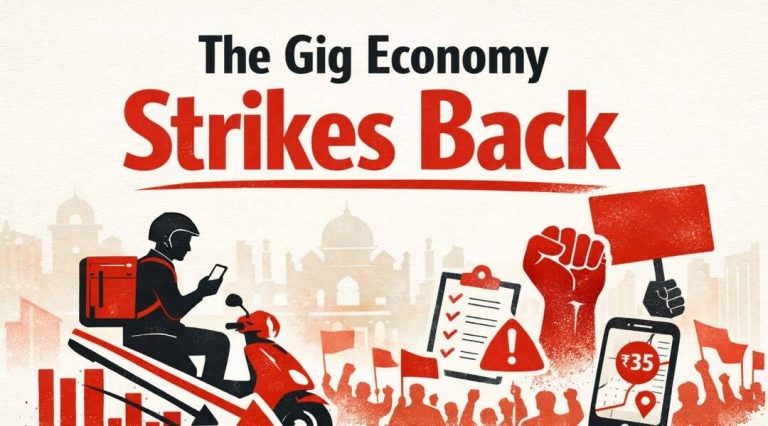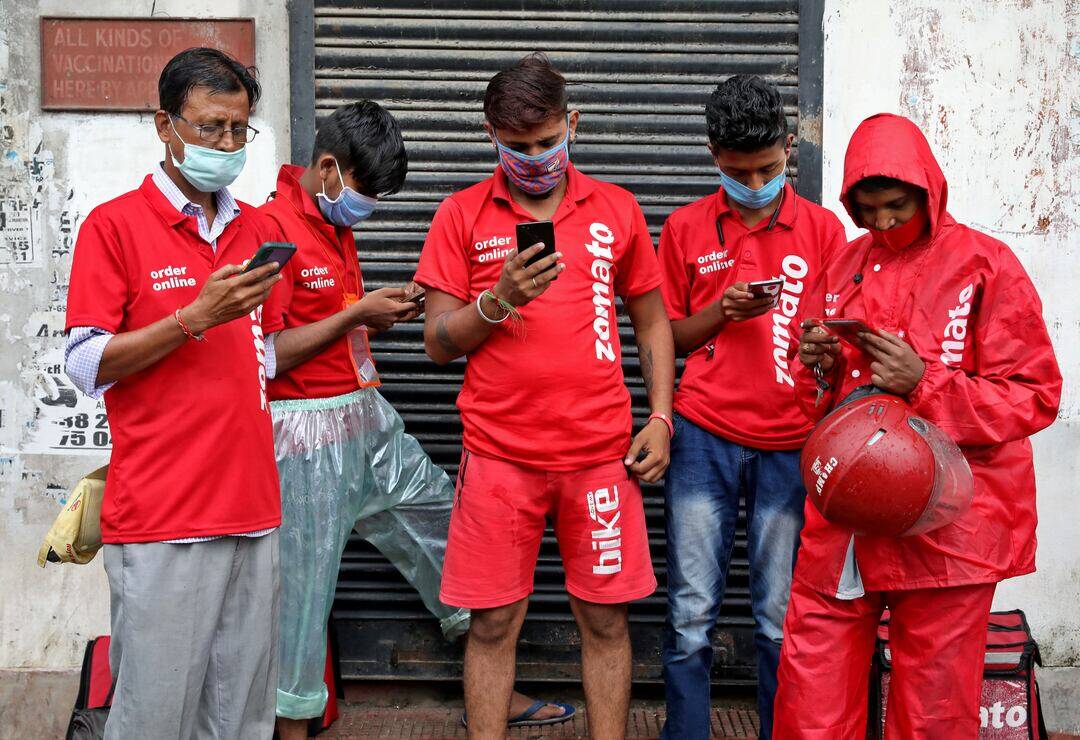
Deepinder claims issue with gig economy is it exposed class divide, says ‘We tip awkwardly’
The gig economy has been a subject of debate in recent years, with many critics arguing that it perpetuates inequality and exploits workers. However, billionaire Deepinder Goyal has offered a unique perspective on the issue, claiming that the problem with the gig economy is not its inherent structure, but rather the fact that it has brought the prevailing class divide to light. According to Goyal, the gig economy has made it impossible for the consuming class to ignore the existence of the poor, forcing them to confront the harsh realities of systemic inequality.
In a thought-provoking statement, Goyal said, “Suddenly, the poor aren’t hidden away…Now, every doorbell is a reminder of systemic inequality.” This statement highlights the fact that the gig economy has made it possible for people from different socio-economic backgrounds to interact with each other in a way that was not possible before. With the rise of food delivery and ride-hailing services, people from all walks of life are now interacting with each other on a daily basis, forcing them to confront the harsh realities of poverty and inequality.
Goyal’s statement also touches on the issue of guilt and how it affects our behavior towards those who are less fortunate. He said, “We aren’t just debating economics, we’re confronting guilt…We tip awkwardly…because inequality is no longer abstract.” This statement suggests that the gig economy has made it impossible for people to ignore the fact that they are benefiting from a system that exploits the poor. The act of tipping, which is often seen as a way to show appreciation for good service, has become a symbol of our collective guilt and discomfort with the fact that we are perpetuating a system that is inherently unfair.
The issue of tipping is a complex one, and it highlights the contradictions of the gig economy. On the one hand, tipping is seen as a way to show appreciation for good service, but on the other hand, it also perpetuates the idea that workers are not paid a living wage and need to rely on the charity of others to make ends meet. This contradiction is at the heart of the debate around the gig economy, and it is something that Goyal’s statement touches on.
The gig economy has been criticized for its lack of benefits, job security, and fair pay. Workers in the gig economy are often classified as independent contractors, which means that they are not entitled to the same benefits and protections as traditional employees. This has led to a situation where workers are forced to work long hours for low pay, with little to no job security. The fact that workers in the gig economy are often forced to rely on tipping to make a living wage is a stark reminder of the fact that the system is broken and needs to be reformed.
Goyal’s statement also highlights the fact that the gig economy is not just an economic issue, but also a social one. The fact that we are forced to confront the reality of poverty and inequality every time we interact with a worker in the gig economy is a stark reminder of the fact that we need to do more to address these issues. The gig economy has brought the issue of class divide to the forefront, and it is up to us to confront it head-on and work towards creating a more equitable society.
In conclusion, Deepinder Goyal’s statement highlights the complexities of the gig economy and the issues that it raises. The fact that the gig economy has brought the prevailing class divide to light is a stark reminder of the fact that we need to do more to address the issue of poverty and inequality. The issue of tipping is a complex one, and it highlights the contradictions of the gig economy. As we move forward, it is essential that we confront the reality of the gig economy and work towards creating a more equitable society.
Source: https://x.com/deepigoyal/status/2007030873711927381
About the Author