Deepinder claims issue with gig economy is it exposed class divide, says ‘We tip awkwardly’
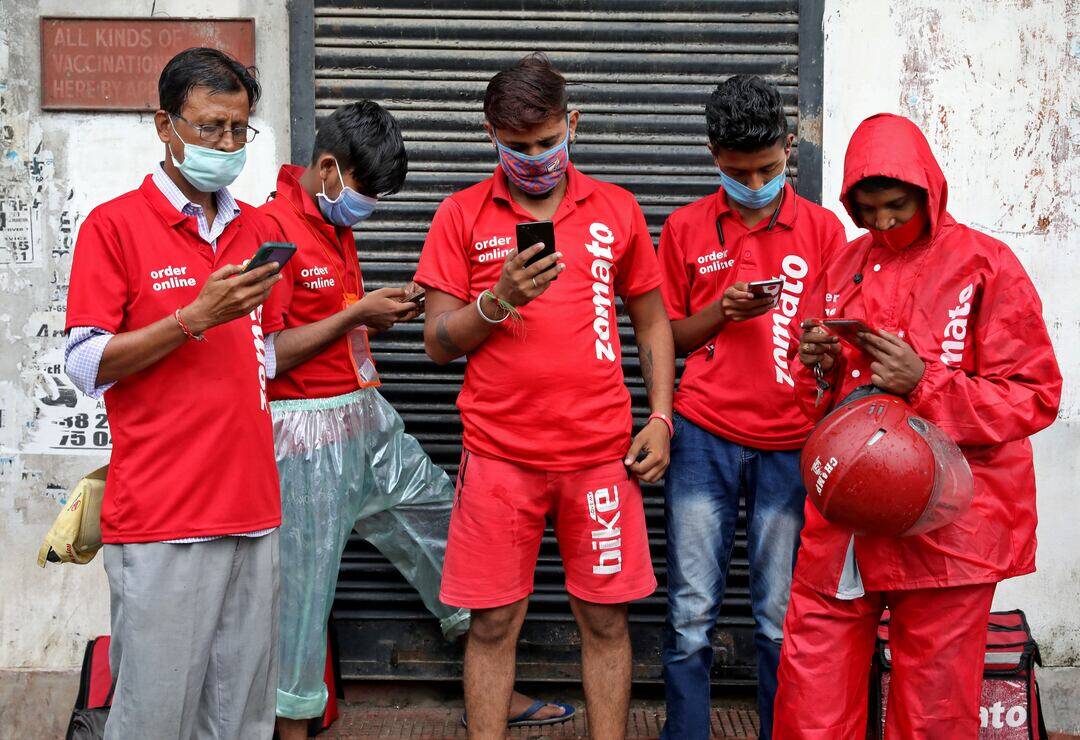
The gig economy has been a topic of discussion for quite some time now, with many debating its benefits and drawbacks. However, billionaire Deepinder Goyal has shed a new light on the issue, claiming that the problem with the gig economy is not its inherent structure, but rather the fact that it has exposed the prevailing class divide in our society. According to Goyal, the gig economy has made it impossible to ignore the stark contrast between the haves and have-nots, and this is what makes people uncomfortable.
In a recent statement, Goyal said, “Suddenly, the poor aren’t hidden away…Now, every doorbell is a reminder of systemic inequality.” This statement highlights the fact that the gig economy has brought the working class to the forefront, making it impossible for the consuming class to ignore their existence. With the rise of food delivery and ride-hailing services, the affluent are constantly reminded of the people who are working behind the scenes to make their lives easier.
Goyal further emphasized that the issue with the gig economy is not just about economics, but also about confronting the guilt that comes with knowing that there are people who are struggling to make ends meet. “We aren’t just debating economics, we’re confronting guilt,” he said. This guilt is what leads people to tip awkwardly, as they try to make up for the fact that the workers are not being paid a living wage. “We tip awkwardly…because inequality is no longer abstract,” Goyal added.
This statement highlights the uncomfortable truth that the gig economy has brought to light. The fact that people are tipping workers as a way to alleviate their own guilt is a clear indication that something is wrong with the system. It is not just about the workers being underpaid, but also about the fact that the consuming class is aware of this inequality and is trying to find ways to justify it.
The gig economy has indeed exposed the class divide in our society, and it is time for us to confront this reality. The fact that workers are being paid minimum wage, without any benefits or job security, is a clear indication of the exploitation that is taking place. The rise of the gig economy has created a new class of workers who are forced to work long hours for little pay, just to make ends meet.
Moreover, the gig economy has also created a culture of disposability, where workers are seen as nothing more than commodities. They are hired and fired at will, without any regard for their well-being or job security. This has created a sense of insecurity among workers, who are constantly living in fear of losing their jobs.
The fact that the gig economy has exposed the class divide in our society is not just a matter of economics, but also of social justice. It is a reminder that we need to rethink our values and priorities as a society. We need to recognize that workers are not just commodities, but human beings who deserve to be treated with dignity and respect.
In conclusion, Deepinder Goyal’s statement highlights the uncomfortable truth about the gig economy. The fact that it has exposed the class divide in our society is not just a matter of economics, but also of social justice. We need to confront this reality and work towards creating a more equitable society, where workers are paid a living wage and treated with dignity and respect. The gig economy may have its benefits, but it is time for us to recognize its drawbacks and work towards creating a better future for all.
Source: https://x.com/deepigoyal/status/2007030873711927381
About the Author