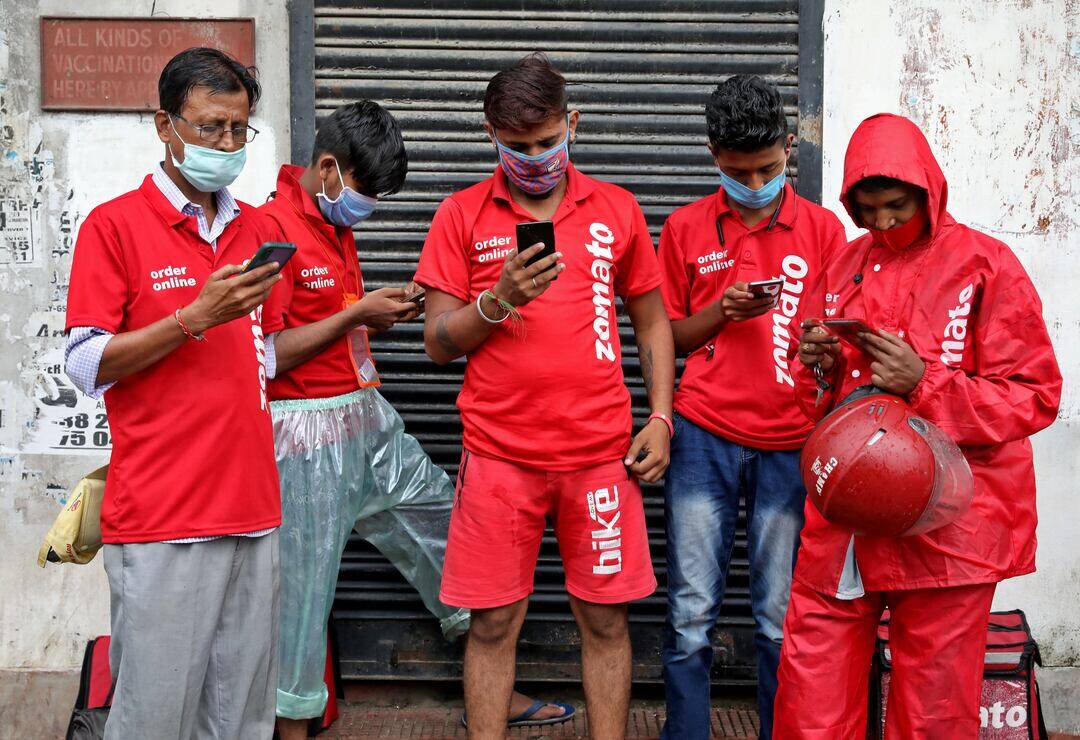
Deepinder claims issue with gig economy is it exposed class divide, says ‘We tip awkwardly’
The gig economy has been a topic of discussion in recent years, with many debating its merits and drawbacks. While some argue that it provides flexibility and opportunities for workers, others claim that it perpetuates inequality and exploitation. Recently, billionaire Deepinder Goyal weighed in on the issue, offering a thought-provoking perspective on the problem with the gig economy. According to Goyal, the issue with the gig economy is not its inherent structure, but rather the fact that it exposes the prevailing class divide in our society.
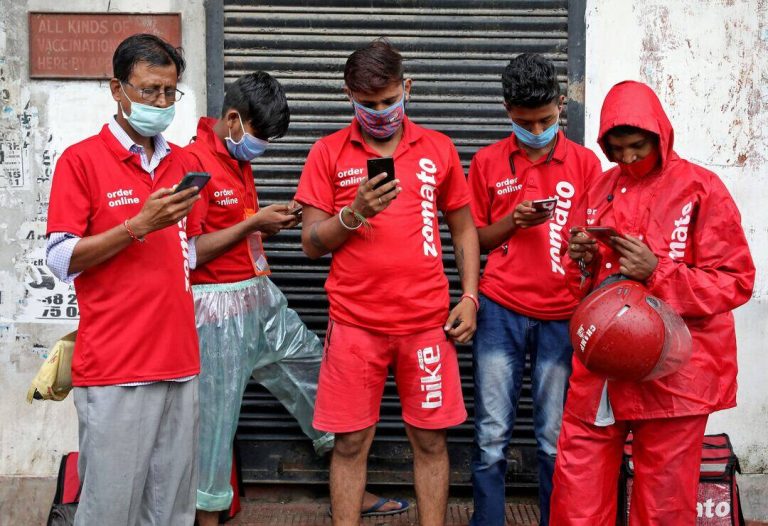
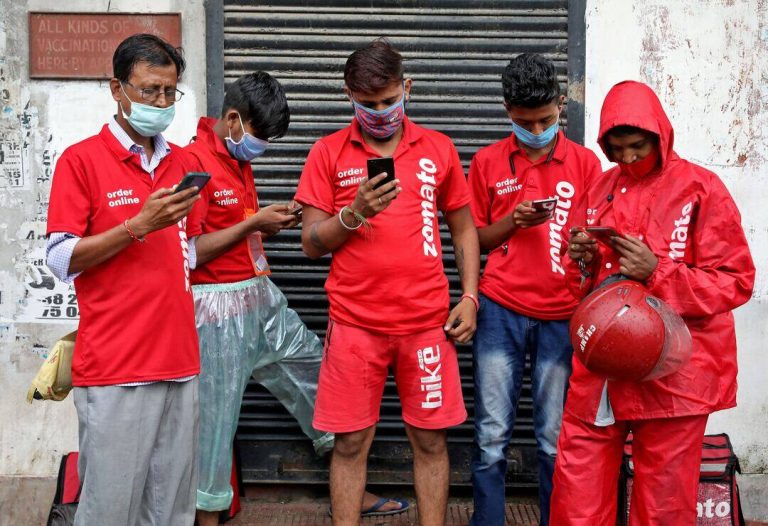
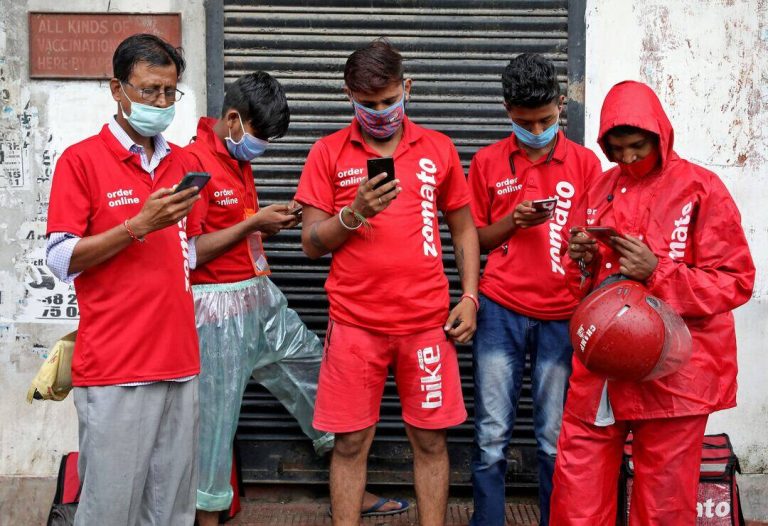
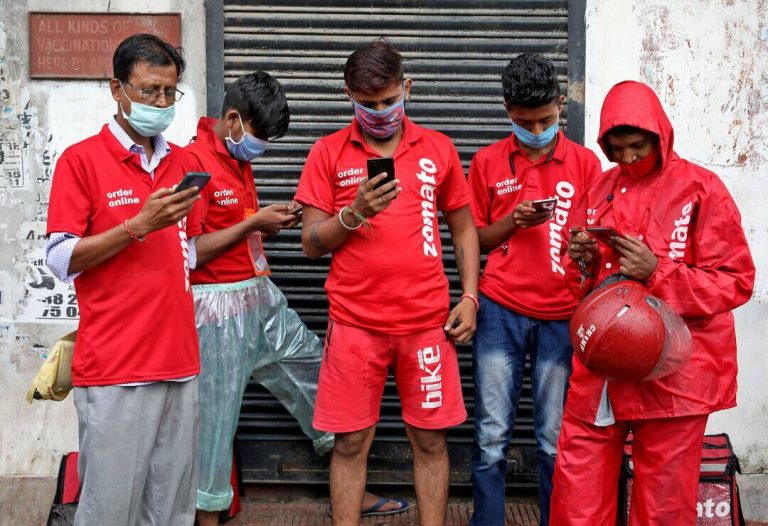
Goyal’s statement, which has sparked a lively debate on social media, suggests that the gig economy has brought to light the stark contrast between the haves and have-nots. By ensuring that workers are visible to the consuming class, the gig economy has made it impossible to ignore the systemic inequality that exists in our society. As Goyal so eloquently put it, “Suddenly, poor aren’t hidden away…Now, every doorbell is a reminder of systemic inequality.” This statement highlights the fact that the gig economy has made the poor and marginalized visible, forcing us to confront the uncomfortable reality of class divide.
Goyal’s comments also touch on the emotional response that many of us have when interacting with gig economy workers. He notes that “we aren’t just debating economics, we’re confronting guilt…We tip awkwardly…because inequality is no longer abstract.” This statement resonates with many of us who have found ourselves in situations where we are unsure of how to respond to the person delivering our food or driving us to our destination. The awkwardness of tipping is a symptom of a larger issue – our discomfort with the fact that we are benefiting from a system that perpetuates inequality.
The gig economy has indeed made it impossible to ignore the class divide that exists in our society. With the rise of food delivery and ride-hailing apps, we are constantly interacting with workers who are struggling to make ends meet. These interactions have made us more aware of the harsh realities of poverty and inequality, and have forced us to confront our own privilege. As Goyal notes, the gig economy has made the poor and marginalized visible, and this visibility has made us uncomfortable.
But why should we be uncomfortable? Is it not a good thing that we are more aware of the class divide and the struggles of the poor and marginalized? The answer is yes, it is a good thing. However, our discomfort stems from the fact that we are not sure how to respond to this newfound awareness. We are unsure of how to reconcile our own privilege with the fact that others are struggling to survive. This discomfort is what leads us to tip awkwardly, to try and alleviate our own guilt rather than addressing the systemic issues that perpetuate inequality.
So, what can we do to address the issue of class divide in the gig economy? First and foremost, we need to recognize that the gig economy is not the problem, but rather a symptom of a larger issue. The problem is the systemic inequality that exists in our society, and the fact that we have allowed it to perpetuate for so long. To address this issue, we need to have a more nuanced conversation about the gig economy and its impact on workers. We need to listen to the stories of gig economy workers and understand their struggles and challenges.
We also need to recognize that the gig economy is not a monolith, and that there are many different types of workers and industries that fall under its umbrella. From food delivery drivers to freelance writers, the gig economy is a complex and multifaceted system that requires a thoughtful and nuanced approach. By recognizing the diversity of the gig economy and the needs of its workers, we can begin to build a more equitable and just system.
Ultimately, the issue with the gig economy is not the economy itself, but rather our own discomfort with the class divide that it exposes. By confronting this discomfort and having a more nuanced conversation about the gig economy, we can begin to build a more equitable and just society. As Goyal so eloquently put it, “We tip awkwardly…because inequality is no longer abstract.” It is time for us to stop tipping awkwardly and start addressing the systemic issues that perpetuate inequality.
News source: https://x.com/deepigoyal/status/2007030873711927381
About the Author