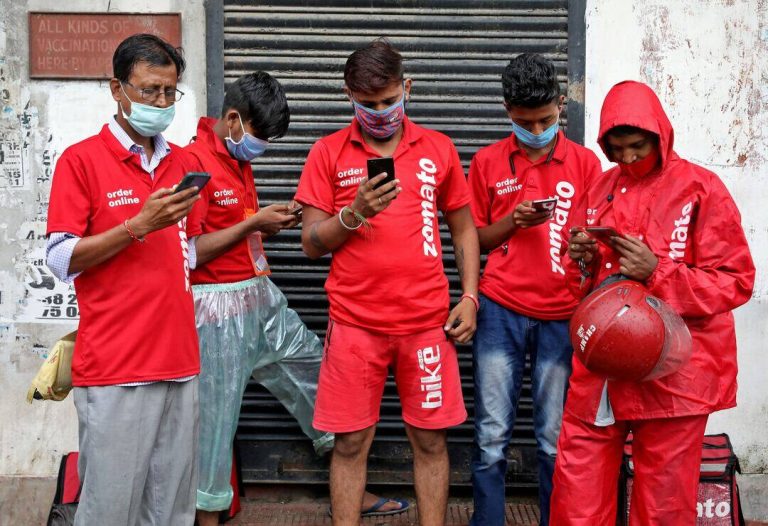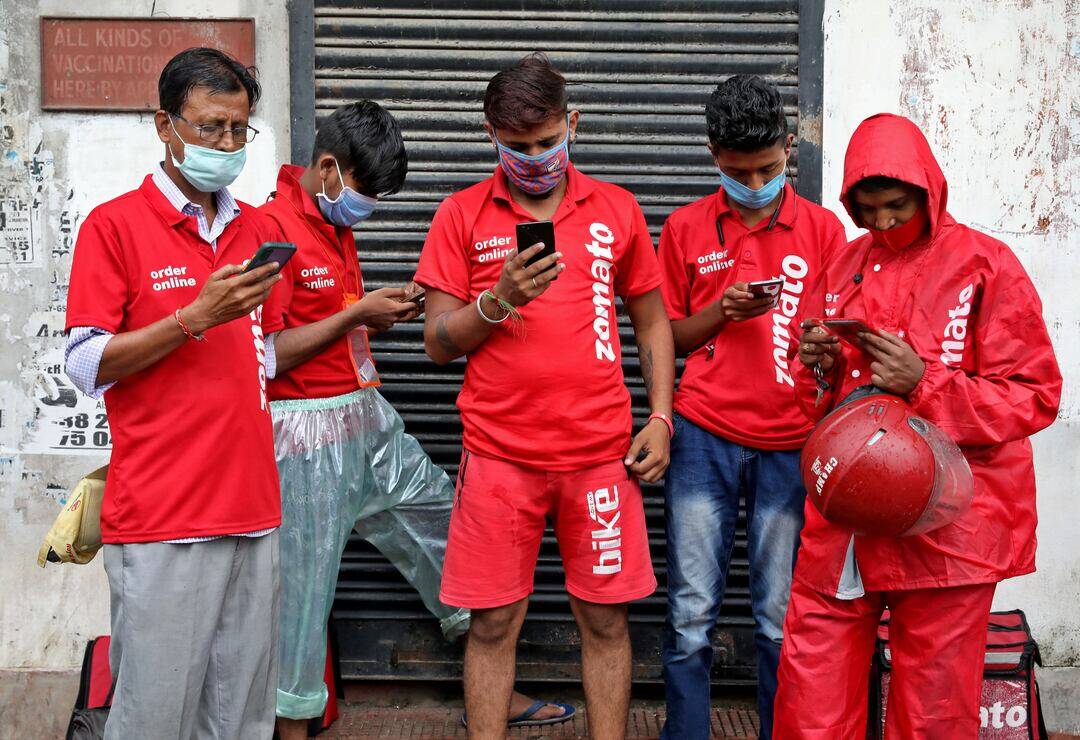
Deepinder claims issue with gig economy is it exposed class divide, says ‘We tip awkwardly’
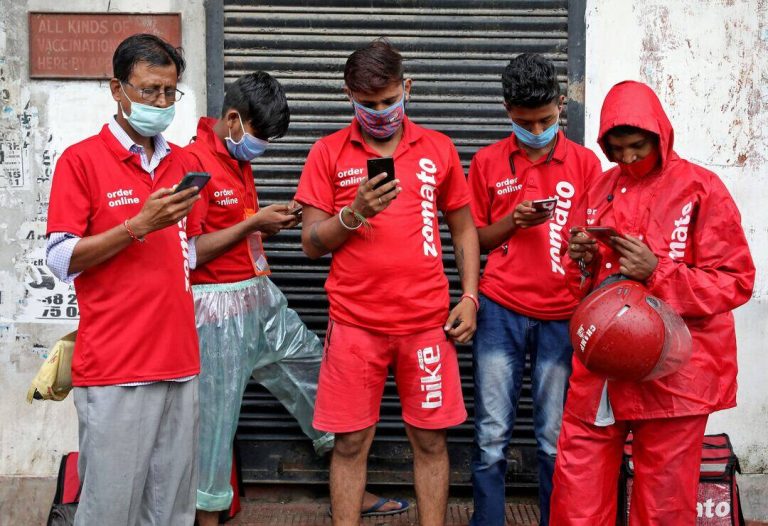
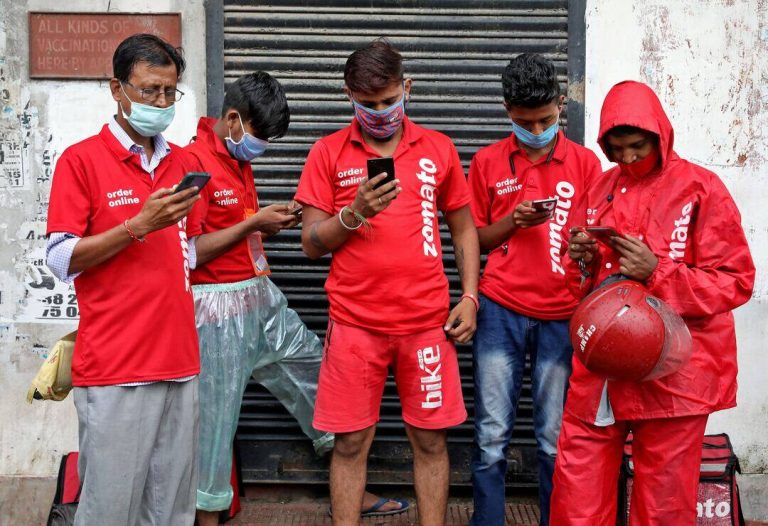
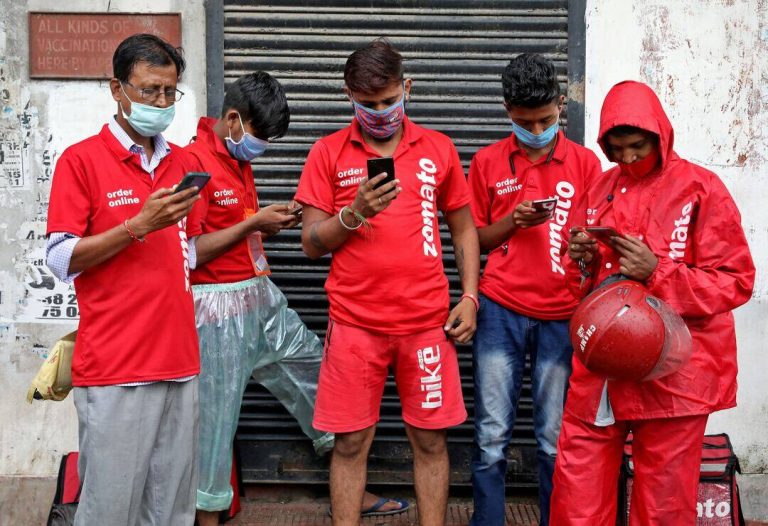
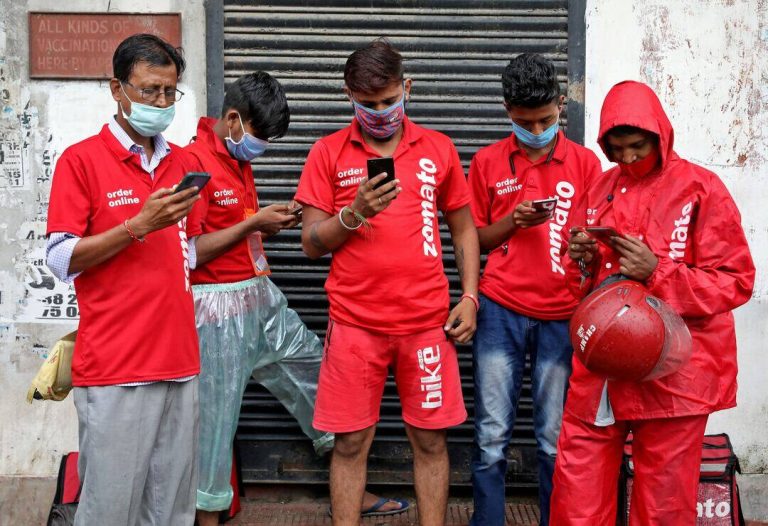
The gig economy has been a topic of discussion in recent years, with many debating its impact on the workforce and the economy as a whole. However, according to billionaire Deepinder Goyal, the problem with the gig economy is not its economic implications, but rather the fact that it has brought the prevailing class divide to light. In a recent statement, Goyal claimed that the gig economy has ensured that workers are seen by the consuming class, making it impossible to ignore the systemic inequality that exists in our society.
Goyal’s statement highlights the uncomfortable truth that the gig economy has exposed. “Suddenly, poor aren’t hidden away,” he said. “Now, every doorbell is a reminder of systemic inequality.” This statement rings true, as the gig economy has made it possible for people from all walks of life to work as freelancers or independent contractors, often in jobs that were previously hidden from view. However, this increased visibility has also brought attention to the vast disparities in income and social status that exist in our society.
The gig economy has made it possible for people to work in a variety of jobs, from ride-sharing and food delivery to household chores and errands. However, many of these jobs are low-paying and lack benefits, leaving workers struggling to make ends meet. This has led to a growing awareness of the class divide, as people from more affluent backgrounds are forced to confront the reality of poverty and inequality.
Goyal’s statement also touches on the guilt that many people feel when interacting with gig economy workers. “We aren’t just debating economics, we’re confronting guilt,” he said. This guilt is evident in the way that people tip gig economy workers, often in an awkward and uncomfortable manner. “We tip awkwardly…because inequality is no longer abstract,” Goyal said. This statement highlights the fact that the gig economy has made inequality a tangible and personal issue, rather than just a abstract concept.
The issue of tipping is a complex one, and it highlights the power dynamics at play in the gig economy. When we tip a worker, we are acknowledging the fact that they are not being paid a living wage, and that we have the power to decide how much they earn. This can be a uncomfortable and awkward experience, as it forces us to confront the reality of our own privilege and the systemic inequality that exists in our society.
The gig economy has also raised questions about the nature of work and the social contract. As more and more people turn to gig work as a way to make a living, it has become clear that the traditional social safety net is no longer sufficient. This has led to calls for a new social contract, one that recognizes the changing nature of work and provides protections and benefits for all workers, regardless of their employment status.
In conclusion, Deepinder Goyal’s statement highlights the complex and nuanced issues surrounding the gig economy. By bringing the class divide to light, the gig economy has forced us to confront the uncomfortable truth of systemic inequality. As we move forward, it is essential that we prioritize the creation of a more equitable and just society, one that recognizes the value and dignity of all workers. By doing so, we can work towards a future where everyone has access to fair pay, benefits, and a decent standard of living.
News Source: https://x.com/deepigoyal/status/2007030873711927381
About the Author