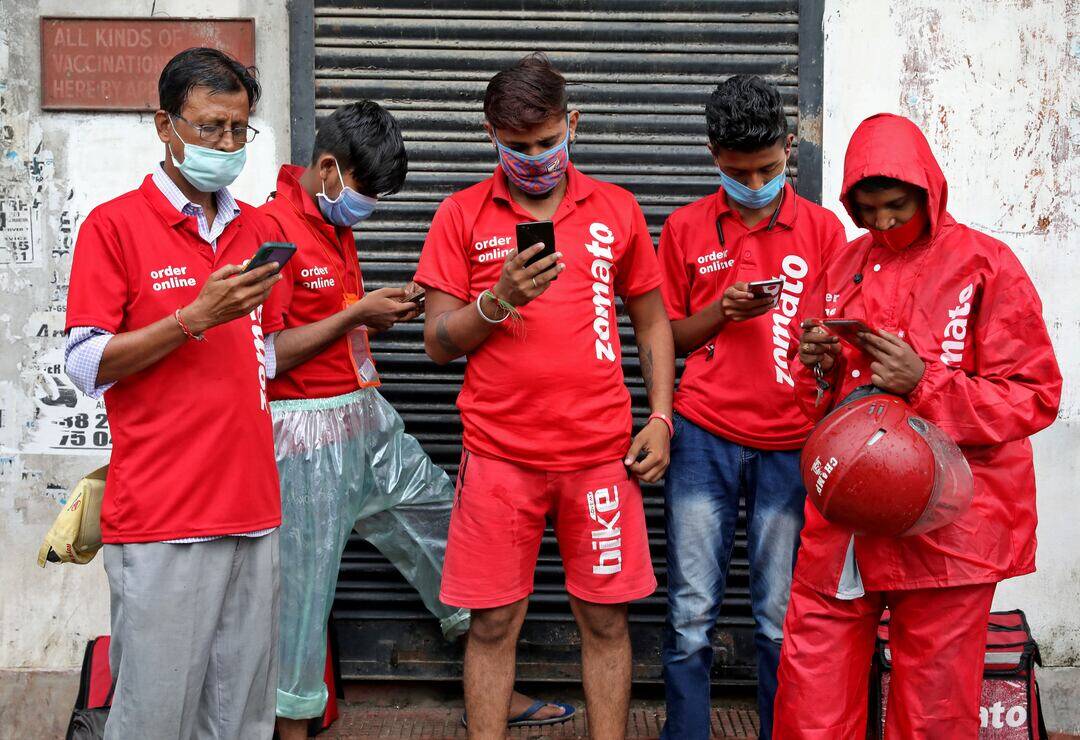
Deepinder claims issue with gig economy is it exposed class divide, says ‘We tip awkwardly’
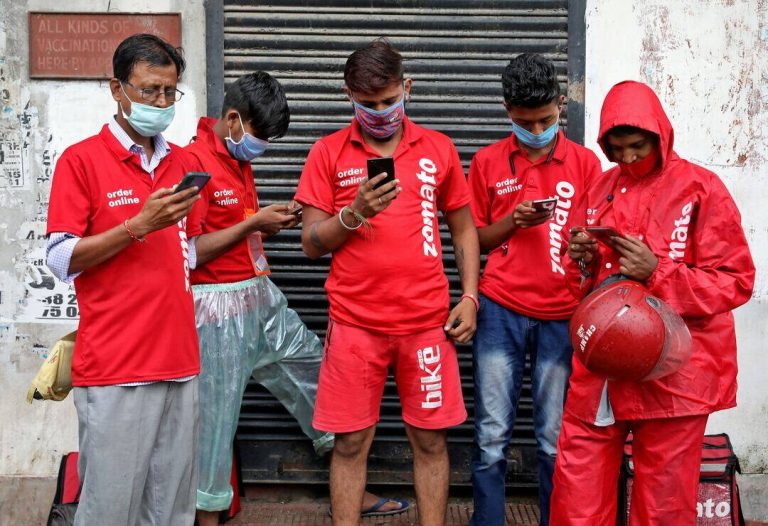
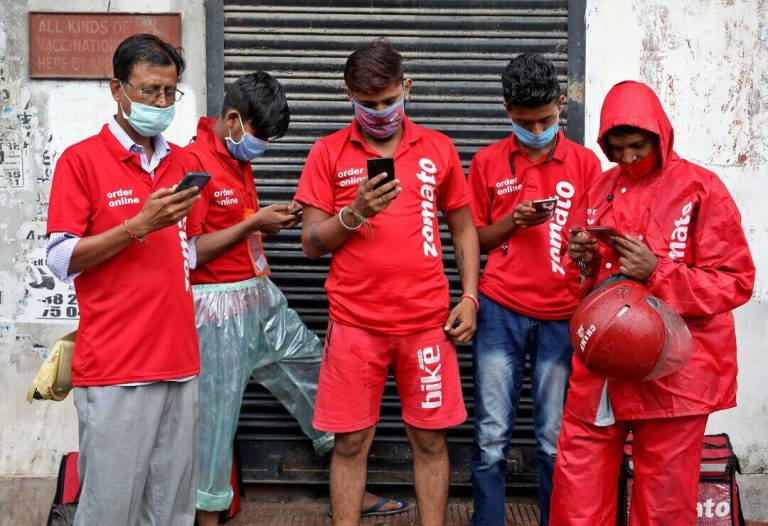
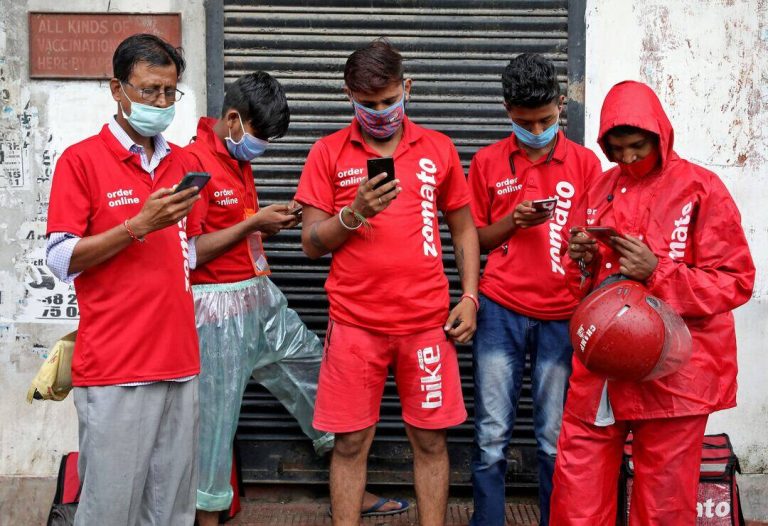
The gig economy has been a topic of discussion for many years, with its impact on workers, consumers, and the economy as a whole being debated by experts and policymakers. Recently, billionaire Deepinder Goyal, the founder of Zomato, weighed in on the issue, offering a unique perspective on the problems plaguing the gig economy. According to Goyal, the main issue with the gig economy is not its economic model or the treatment of workers, but rather the fact that it has exposed the prevailing class divide in our society.
Goyal’s comments, which were posted on social media, highlighted the uncomfortable reality that the gig economy has brought to the forefront. “Suddenly, poor aren’t hidden away…Now, every doorbell is a reminder of systemic inequality,” he said. This statement rings true, as the gig economy has made it impossible to ignore the fact that there are millions of people in our society who are struggling to make ends meet. The fact that we can have food delivered to our doorstep or have our household chores taken care of with just a few clicks has made us confront the reality of poverty and inequality in a way that was not possible before.
Goyal’s comments also touched on the guilt that many of us feel when interacting with gig workers. “We aren’t just debating economics, we’re confronting guilt…We tip awkwardly…because inequality is no longer abstract,” he said. This is a sentiment that many of us can relate to. When we order food online or hail a ride, we are often faced with the option to tip our delivery person or driver. This can be an awkward experience, as we are forced to confront the fact that the person providing us with a service is likely struggling to make a living wage. The act of tipping has become a way for us to assuage our guilt, but it is a Band-Aid solution that does not address the underlying issues of inequality and poverty.
The gig economy has indeed made it possible for millions of people to access new economic opportunities, but it has also created a system in which workers are often exploited and mistreated. Many gig workers are classified as independent contractors, which means that they are not entitled to the same benefits and protections as traditional employees. This has led to a situation in which workers are often forced to work long hours for low pay, without access to basic benefits like healthcare and paid time off.
The class divide that Goyal speaks of is a real and pressing issue in our society. The fact that we can have food delivered to our doorstep or have our household chores taken care of with just a few clicks has made us confront the reality of poverty and inequality in a way that was not possible before. We are forced to confront the fact that there are millions of people in our society who are struggling to make ends meet, and that we are often complicit in their exploitation.
So, what can be done to address the issues plaguing the gig economy? Firstly, there needs to be a recognition that gig workers are not just independent contractors, but rather workers who deserve the same benefits and protections as traditional employees. This means that companies need to take responsibility for their workers and provide them with fair pay, benefits, and working conditions.
Secondly, there needs to be a greater awareness of the class divide that the gig economy has exposed. We need to recognize that the poverty and inequality that we see in our society are not just abstract concepts, but rather real issues that affect real people. We need to be willing to confront our own guilt and complicity in the exploitation of gig workers, and to take action to address the systemic issues that perpetuate inequality.
Finally, there needs to be a greater emphasis on creating a more equitable and just society. This means that we need to be willing to challenge the status quo and to push for policies and practices that benefit all members of society, not just the wealthy and powerful. We need to recognize that the gig economy is not just an economic issue, but rather a social and moral one, and that it requires a comprehensive and nuanced solution.
In conclusion, Deepinder Goyal’s comments on the gig economy highlight the uncomfortable reality that this system has exposed the prevailing class divide in our society. The fact that we can have food delivered to our doorstep or have our household chores taken care of with just a few clicks has made us confront the reality of poverty and inequality in a way that was not possible before. We need to be willing to confront our own guilt and complicity in the exploitation of gig workers, and to take action to address the systemic issues that perpetuate inequality. By recognizing the class divide that the gig economy has exposed, we can begin to build a more equitable and just society, one that values the dignity and worth of all workers, regardless of their occupation or socioeconomic status.
News Source: https://x.com/deepigoyal/status/2007030873711927381
About the Author