Bitcoin is a form of money, but not as attractive as gold: Dalio
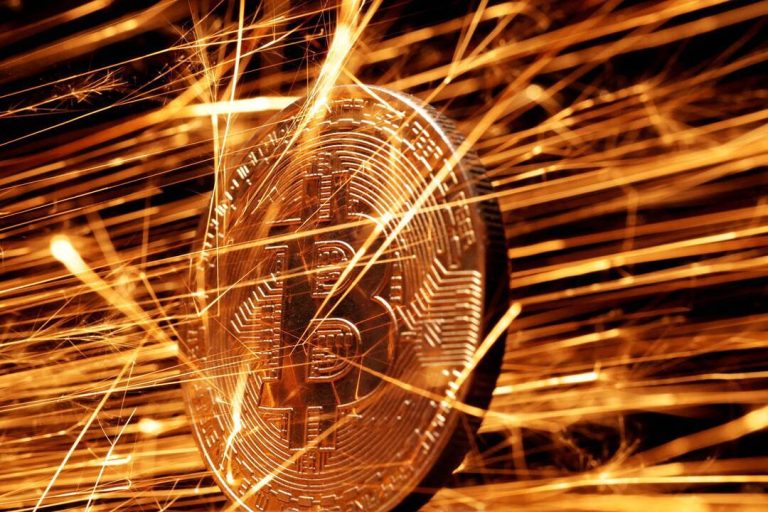
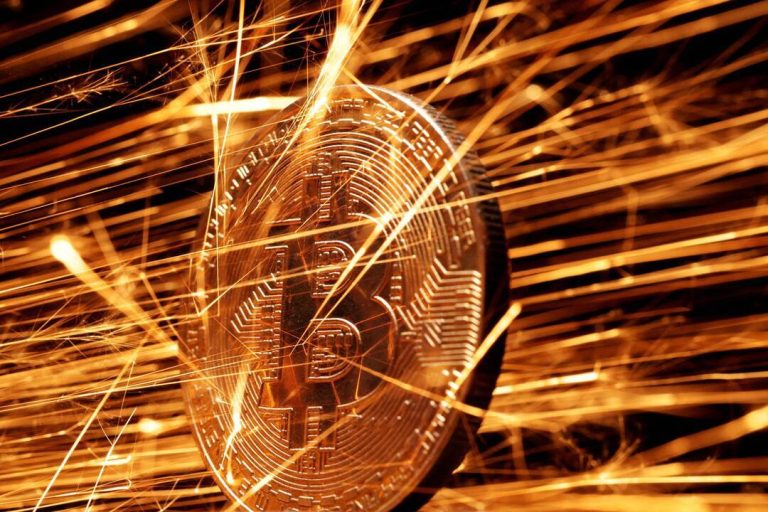
The world of cryptocurrency has been abuzz with the recent comments made by billionaire hedge fund manager Ray Dalio. In a statement that has sent ripples throughout the financial community, Dalio declared that Bitcoin is indeed a “form of money” but falls short of being as attractive as gold. This assertion has sparked a heated debate among investors, economists, and cryptocurrency enthusiasts, with many eager to understand the reasoning behind Dalio’s statement.
Dalio, the founder of Bridgewater Associates, one of the world’s largest hedge funds, is known for his astute investment strategies and insightful market analysis. His comments on Bitcoin and gold have significant implications for the financial industry, particularly in the context of the ongoing debate about the role of cryptocurrencies in the global economy.
According to Dalio, Bitcoin’s status as a form of money is undeniable. He acknowledges that the cryptocurrency has gained widespread acceptance and is increasingly being used as a medium of exchange, a store of value, and a unit of account. However, he also emphasizes that Bitcoin’s attractiveness is limited by its lack of anonymity and the ease with which governments can monitor and interfere with transactions.
In contrast, gold has long been revered for its rarity, durability, and anonymity, making it a highly sought-after asset for investors seeking a safe-haven. The precious metal has been a cornerstone of the global financial system for centuries, and its value is widely recognized and accepted. Dalio’s preference for gold over Bitcoin is rooted in the former’s ability to provide a level of anonymity and security that the latter cannot match.
One of the primary concerns Dalio has with Bitcoin is the fact that governments can track and regulate transactions with relative ease. This lack of anonymity makes it less appealing to investors who value their privacy and seek to avoid government interference. In addition, the cryptocurrency’s price volatility and lack of intrinsic value are also significant drawbacks, making it a less attractive investment option compared to gold.
Another critical factor that Dalio highlights is the likelihood of central banks and other institutions holding Bitcoin in significant numbers. He believes that due to the multiple problems associated with the cryptocurrency, including its lack of anonymity, security concerns, and regulatory risks, it is unlikely that central banks will adopt Bitcoin as a reserve asset. This lack of institutional support will, in turn, limit Bitcoin’s potential for growth and adoption, making it a less attractive investment option for those seeking a stable and secure store of value.
The implications of Dalio’s comments are far-reaching and have significant consequences for the cryptocurrency market. If institutional investors and central banks are hesitant to adopt Bitcoin due to its limitations, it may struggle to gain widespread acceptance and achieve its full potential. On the other hand, gold’s enduring appeal and anonymity make it a more attractive option for those seeking a safe-haven asset.
In conclusion, Ray Dalio’s comments on Bitcoin and gold provide a nuanced perspective on the role of cryptocurrencies in the global economy. While Bitcoin may be a form of money, its limitations and lack of anonymity make it less attractive than gold. As the financial industry continues to evolve and adapt to the rise of cryptocurrencies, it is essential to consider the insights and expertise of seasoned investors like Dalio. By understanding the complexities and challenges associated with Bitcoin, we can better navigate the ever-changing landscape of the global economy.
About the Author