Bitcoin is a form of money, but not as attractive as gold: Dalio
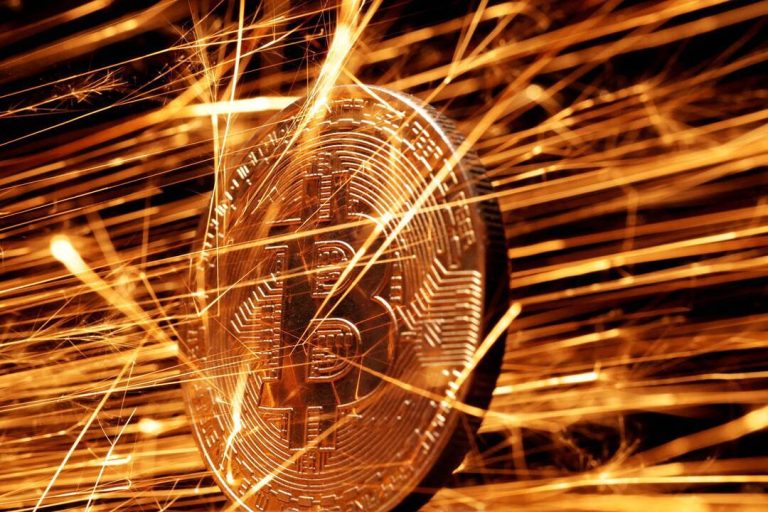
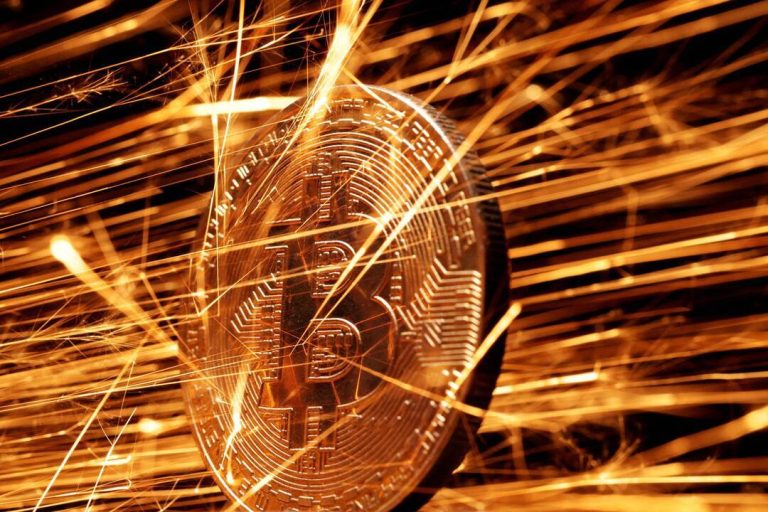
The world of cryptocurrency has been abuzz with the recent comments of billionaire hedge fund manager Ray Dalio, who stated that Bitcoin is a “form of money” but fails to match the allure of gold. As the founder of Bridgewater Associates, one of the largest hedge funds in the world, Dalio’s opinions carry significant weight in the financial community. In a recent statement, he acknowledged that Bitcoin does qualify as a form of money, but it has several limitations that make it less appealing than gold.
According to Dalio, one of the primary reasons why Bitcoin is not as attractive as gold is that governments can monitor and interfere with Bitcoin transactions. Unlike gold, which is a physical commodity that can be stored and transferred anonymously, Bitcoin transactions are recorded on a public ledger called the blockchain. This transparency, while a key feature of the cryptocurrency, also makes it vulnerable to government scrutiny and regulation. As a result, Dalio believes that central banks and other institutions are unlikely to hold Bitcoin in significant numbers due to the potential risks and limitations associated with it.
Another issue with Bitcoin, according to Dalio, is its lack of intrinsic value. Unlike gold, which has been a store of value for centuries due to its rarity, durability, and aesthetic appeal, Bitcoin’s value is largely driven by speculation and market sentiment. This makes it subject to wild price fluctuations, which can be a major turn-off for investors seeking a stable store of value. Additionally, the fact that Bitcoin is a digital asset that exists only in the virtual realm makes it more susceptible to hacking, cyber attacks, and other forms of digital theft.
In contrast, gold has a long history of being a reliable store of value, and its physical properties make it a tangible asset that can be held and stored securely. Gold is also widely accepted as a form of payment and is used in various industrial and commercial applications, which helps to underpin its value. Furthermore, gold is not subject to the same level of government interference as Bitcoin, as it is not a digital asset that can be easily monitored or regulated.
Dalio’s comments on Bitcoin are significant, as they reflect the views of a prominent investor and hedge fund manager. While he acknowledges that Bitcoin has some utility as a form of money, he is skeptical about its potential as a long-term store of value. Instead, he believes that gold is a more attractive option for investors seeking a stable and reliable asset that can withstand the test of time.
It’s worth noting that Dalio’s views on Bitcoin are not unique, and many other investors and analysts have expressed similar concerns about the cryptocurrency. Some have argued that Bitcoin is a bubble waiting to burst, while others have questioned its potential as a mainstream form of payment. However, there are also many who believe that Bitcoin has a bright future ahead of it, and that its potential as a store of value and a medium of exchange is significant.
Ultimately, the debate about the merits of Bitcoin versus gold is complex and multifaceted. While Bitcoin has some advantages, such as its potential for rapid transaction processing and its decentralized nature, it also has some significant limitations. As Dalio’s comments suggest, gold remains a more attractive option for many investors due to its history, stability, and tangibility. However, as the world of cryptocurrency continues to evolve, it’s possible that Bitcoin and other digital assets may become more widely accepted and valued in the future.
For now, it’s clear that Bitcoin is not a replacement for gold, and that the two assets have different use cases and appeal to different types of investors. As the financial landscape continues to shift and evolve, it will be interesting to see how Bitcoin and other cryptocurrencies develop and mature. One thing is certain, however: the debate about the merits of Bitcoin versus gold will continue to be a lively and contentious one.
About the Author