Bitcoin is a form of money, but not as attractive as gold: Dalio
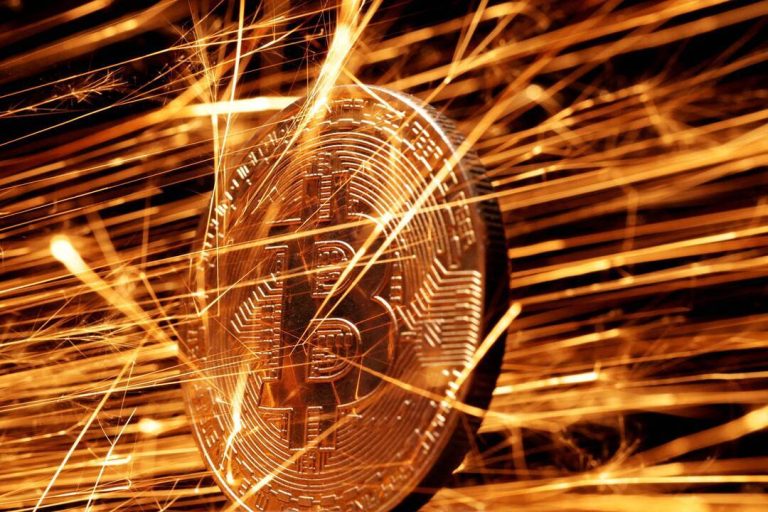
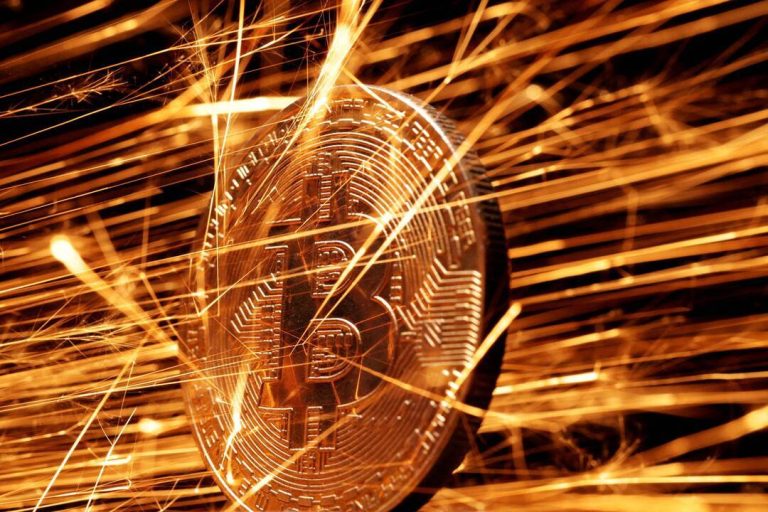
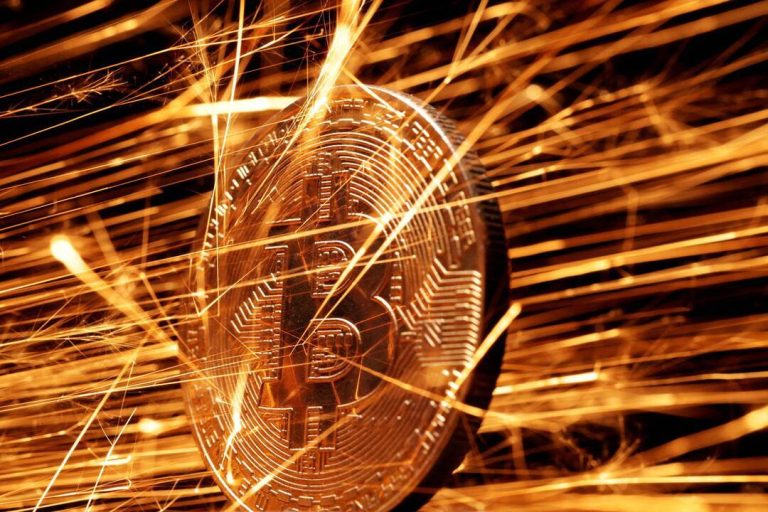
The world of cryptocurrency has been abuzz with the rise of Bitcoin, with many investors and financial experts weighing in on its potential as a viable form of money. One such expert, billionaire hedge fund manager Ray Dalio, has recently shared his thoughts on the matter. In a statement that is sure to spark debate, Dalio declared that Bitcoin is indeed a “form of money,” but it still can’t match the allure of gold.
Dalio’s comments come at a time when Bitcoin has been gaining traction as a legitimate investment opportunity. The cryptocurrency has seen a significant surge in value over the past year, with many investors flocking to it as a hedge against inflation and economic uncertainty. However, despite its growing popularity, Dalio remains skeptical about Bitcoin’s potential as a store of value.
According to Dalio, one of the main reasons why Bitcoin can’t compete with gold is that governments can monitor and interfere with Bitcoin transactions. Unlike gold, which is a physical commodity that can be stored and transferred without the need for intermediaries, Bitcoin transactions are recorded on a public ledger called the blockchain. This makes it possible for governments to track and regulate Bitcoin transactions, which could potentially limit its use as a form of money.
Another reason why Dalio is hesitant to embrace Bitcoin as a viable alternative to gold is that it’s unlikely that central banks and other institutional investors will hold the cryptocurrency in significant numbers. This is due to a number of problems, including the lack of regulatory clarity, the risk of price volatility, and the potential for security breaches. As a result, Dalio believes that Bitcoin will struggle to gain widespread acceptance as a form of money, at least in the near term.
It’s worth noting that Dalio’s comments are not entirely negative. He does acknowledge that Bitcoin has some attractive qualities, such as its limited supply and its potential for use as a hedge against inflation. However, he believes that these benefits are outweighed by the drawbacks, including the lack of regulatory oversight and the risk of government interference.
So, what does this mean for investors who are considering adding Bitcoin to their portfolios? While Dalio’s comments may be seen as a negative assessment of the cryptocurrency’s potential, they should not be taken as a reason to dismiss Bitcoin entirely. Instead, investors should approach Bitcoin with a critical and nuanced perspective, recognizing both its potential benefits and drawbacks.
One potential strategy for investors who are interested in Bitcoin is to view it as a speculative investment, rather than a store of value. This means being prepared for the possibility of significant price swings and being willing to hold onto the investment for the long term. It’s also important to do thorough research and due diligence before investing in Bitcoin, including understanding the regulatory environment and the potential risks involved.
In addition to its potential as a speculative investment, Bitcoin also has the potential to play a role in the development of new financial technologies. The blockchain, which is the underlying technology behind Bitcoin, has a wide range of potential applications, from supply chain management to voting systems. As such, investors who are interested in the potential of blockchain technology may want to consider investing in companies that are working on developing these applications.
In conclusion, while Ray Dalio’s comments on Bitcoin may be seen as a negative assessment of the cryptocurrency’s potential, they should not be taken as a reason to dismiss it entirely. Instead, investors should approach Bitcoin with a critical and nuanced perspective, recognizing both its potential benefits and drawbacks. By doing so, investors can make informed decisions about whether or not to add Bitcoin to their portfolios, and can potentially benefit from its potential as a speculative investment or a play on the development of new financial technologies.
About the Author