Bitcoin is a form of money, but not as attractive as gold: Dalio
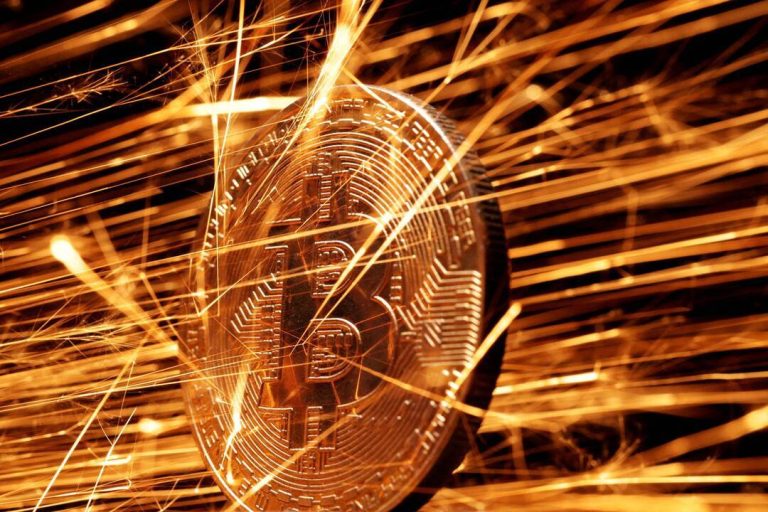
The world of cryptocurrency has been abuzz with the rise of Bitcoin, with many investors and financial experts weighing in on its potential as a viable form of money. Recently, billionaire hedge fund manager Ray Dalio shared his thoughts on the matter, stating that while Bitcoin does qualify as a form of money, it still can’t match the allure of gold. In this blog post, we’ll delve into Dalio’s comments and explore the reasons behind his assertion.
Firstly, it’s worth noting that Dalio’s acknowledgment of Bitcoin as a form of money is significant, given his stature in the financial world. As the founder of Bridgewater Associates, one of the largest hedge funds in the world, Dalio’s opinions carry considerable weight. By recognizing Bitcoin as a form of money, Dalio is essentially validating the cryptocurrency’s ability to function as a medium of exchange, a store of value, and a unit of account.
However, Dalio’s enthusiasm for Bitcoin is tempered by his belief that it falls short of gold in several key areas. One of the primary concerns he raised is the issue of government interference. Unlike gold, which is a physical asset that can be stored and transferred without the need for intermediaries, Bitcoin transactions can be monitored and controlled by governments. This, according to Dalio, makes it less attractive to investors who value the anonymity and freedom that comes with owning gold.
Another problem Dalio cited is the lack of central bank and institutional support for Bitcoin. While some investors have begun to take notice of the cryptocurrency’s potential, it’s unlikely that central banks and other major financial institutions will hold significant amounts of Bitcoin in the near future. This is due to a variety of factors, including regulatory uncertainty, security concerns, and the lack of a clear understanding of how Bitcoin works.
Dalio’s comments are particularly noteworthy given the current state of the global economy. With interest rates at historic lows and governments around the world printing money to stimulate growth, many investors are seeking alternative assets that can provide a safe haven from inflation and currency devaluation. Gold, with its proven track record as a store of value, has traditionally been the go-to asset for investors seeking to diversify their portfolios. Bitcoin, on the other hand, is still a relatively new and untested asset, and its volatility and lack of regulatory clarity make it a riskier bet.
That being said, Dalio’s dismissal of Bitcoin as a viable alternative to gold should not be taken as a blanket rejection of the cryptocurrency’s potential. While it may not be as attractive as gold in the eyes of institutional investors, Bitcoin still has a significant following among retail investors and enthusiasts. Additionally, the cryptocurrency’s decentralized nature and potential for widespread adoption make it an intriguing prospect for those looking to invest in emerging technologies.
In conclusion, Ray Dalio’s comments on Bitcoin serve as a reminder that while the cryptocurrency has made significant strides in recent years, it still has a long way to go before it can be considered a viable alternative to traditional assets like gold. As the global economy continues to evolve and investors seek out new opportunities for growth, it will be interesting to see how Bitcoin and other cryptocurrencies fare in the face of increased scrutiny and competition.
For now, it seems that gold will remain the asset of choice for investors seeking a safe haven from market volatility and inflation. However, as the cryptocurrency space continues to mature and evolve, it’s possible that Bitcoin and other digital assets will become more attractive to institutional investors and mainstream consumers. Only time will tell if Bitcoin can overcome its current limitations and become a more widely accepted form of money.
About the Author