Bitcoin is a form of money, but not as attractive as gold: Dalio
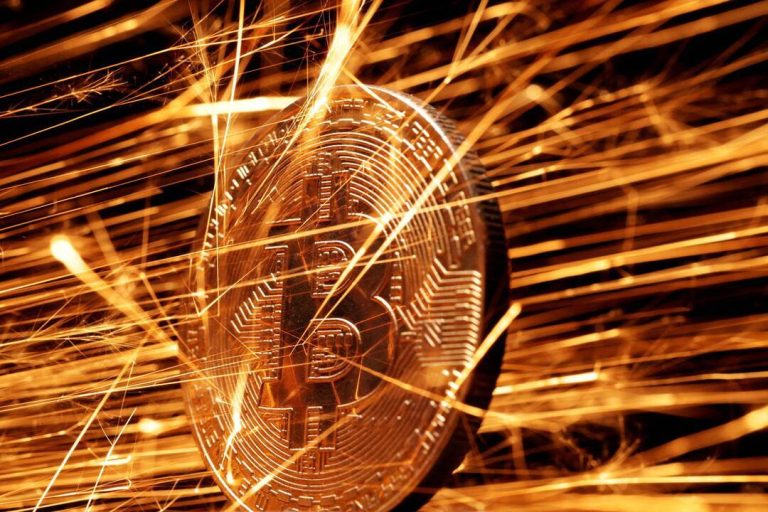
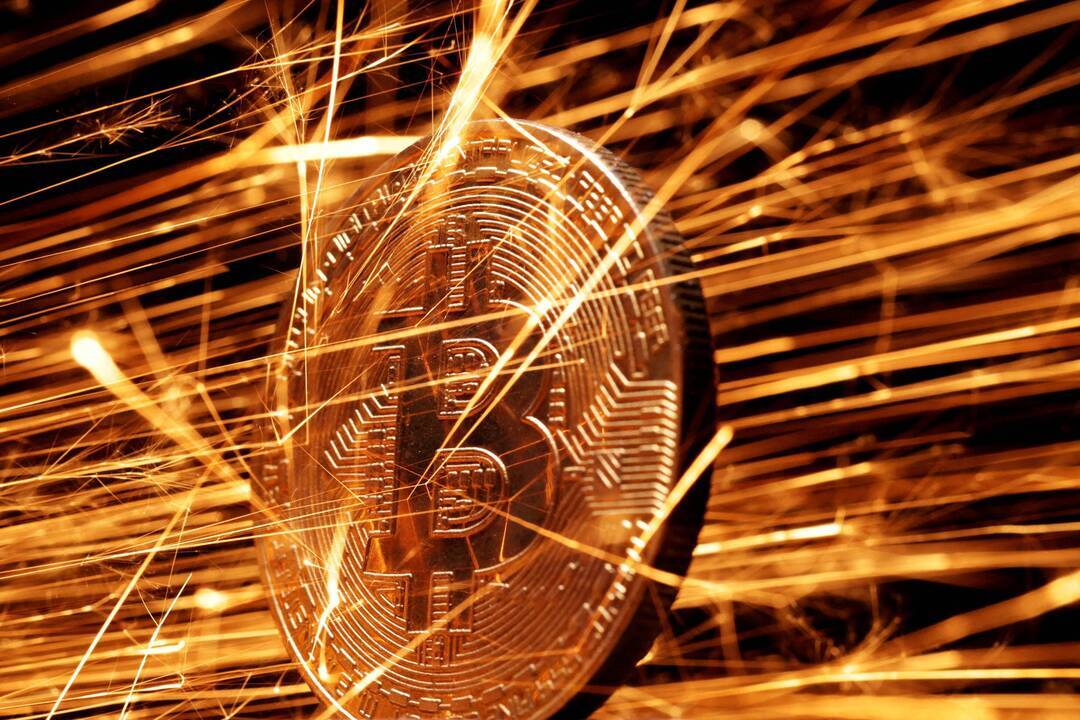
The world of cryptocurrency has been abuzz with the recent statements made by billionaire hedge fund manager, Ray Dalio. In a surprising turn of events, Dalio acknowledged that Bitcoin can be considered a “form of money”. However, he was quick to add that it still lags behind gold in terms of attractiveness. According to Dalio, the primary reason for this disparity is the fact that governments can monitor and interfere with Bitcoin transactions, unlike gold. This, he believes, will hinder the widespread adoption of Bitcoin as a store of value and a medium of exchange.
Dalio’s comments have sparked a heated debate in the cryptocurrency community, with some hailing his acknowledgment of Bitcoin as a form of money as a significant milestone. Others, however, have been quick to point out the flaws in his argument, citing the decentralized nature of Bitcoin as a major advantage over traditional assets like gold. In this blog post, we will delve deeper into Dalio’s statements and explore the implications of his comments on the future of Bitcoin and the cryptocurrency market as a whole.
Firstly, it is essential to understand why Dalio considers Bitcoin a form of money. According to him, Bitcoin possesses certain characteristics that are typical of money, such as being a store of value, a medium of exchange, and a unit of account. However, he also believes that Bitcoin’s volatility and lack of widespread acceptance as a form of payment hinder its ability to function as a reliable store of value. This is where gold comes into the picture, as Dalio views the precious metal as a more stable and widely accepted store of value.
One of the primary concerns that Dalio has with Bitcoin is the fact that governments can monitor and interfere with transactions. This, he believes, will prevent central banks and other institutions from holding significant amounts of Bitcoin. Unlike gold, which is a physical asset that can be stored and transferred without the need for intermediaries, Bitcoin transactions are recorded on a public ledger called the blockchain. While this transparency is often cited as a major advantage of Bitcoin, it also makes it vulnerable to government interference and regulation.
Another issue that Dalio has with Bitcoin is its lack of intrinsic value. Unlike gold, which has industrial and aesthetic uses, Bitcoin’s value is derived solely from its ability to function as a medium of exchange. This, he believes, makes it more susceptible to price fluctuations and market volatility. Additionally, the fact that Bitcoin’s supply is limited to 21 million makes it vulnerable to manipulation by large holders of the cryptocurrency.
Despite these concerns, Dalio does acknowledge that Bitcoin has a certain appeal to it. He notes that the cryptocurrency has a “certain amount of excitement and interest” surrounding it, particularly among younger investors. However, he believes that this excitement is not enough to overcome the fundamental flaws that he sees in Bitcoin. According to Dalio, it is unlikely that central banks and other institutions will hold significant amounts of Bitcoin due to the multiple problems associated with it.
So, what does the future hold for Bitcoin and the cryptocurrency market as a whole? While Dalio’s comments may have been seen as negative by some, they also highlight the growing recognition of Bitcoin as a legitimate form of money. As more institutional investors and governments begin to take notice of Bitcoin, it is likely that we will see increased regulation and oversight of the cryptocurrency market. This, in turn, could lead to greater mainstream acceptance and adoption of Bitcoin and other cryptocurrencies.
However, as Dalio’s comments suggest, there are still significant hurdles that need to be overcome before Bitcoin can be considered a viable alternative to traditional assets like gold. The lack of widespread acceptance, volatility, and regulatory uncertainty are just a few of the challenges that Bitcoin faces. Nevertheless, the fact that a prominent investor like Dalio is willing to acknowledge Bitcoin as a form of money is a significant step forward for the cryptocurrency community.
In conclusion, Ray Dalio’s comments on Bitcoin have sparked a lively debate in the cryptocurrency community. While he acknowledges that Bitcoin can be considered a form of money, he believes that it still lags behind gold in terms of attractiveness. The reasons for this disparity are multifaceted, ranging from government interference and lack of intrinsic value to volatility and regulatory uncertainty. As the cryptocurrency market continues to evolve, it will be interesting to see how Bitcoin and other digital assets address these challenges and become more widely accepted as a store of value and a medium of exchange.
About the Author