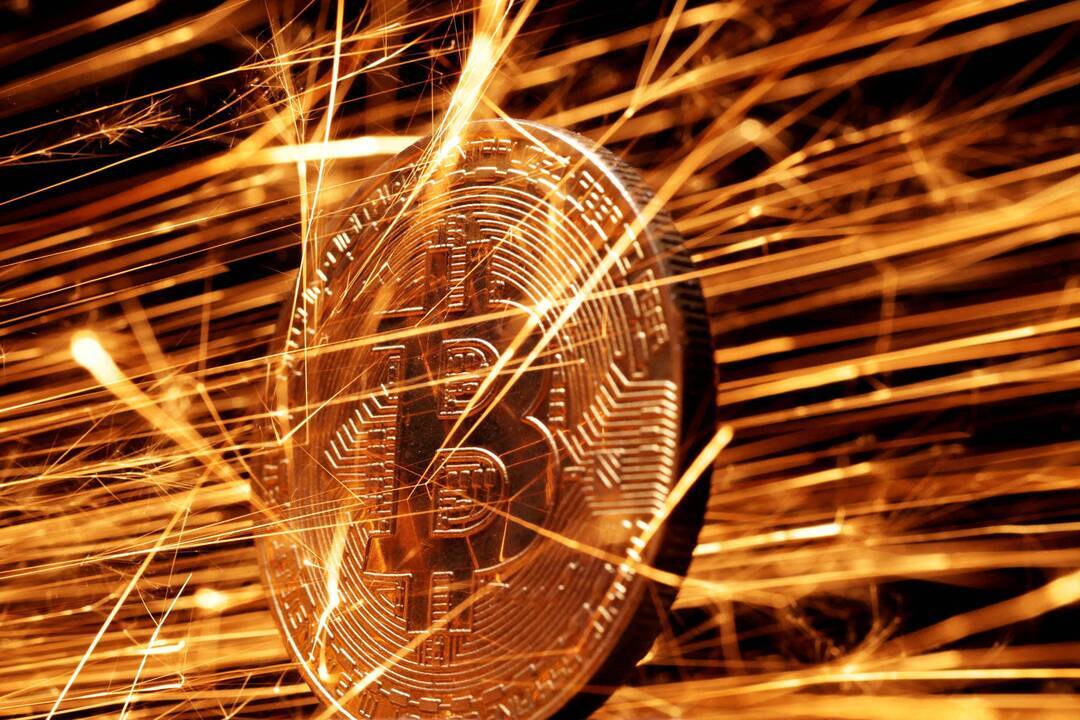
Bitcoin is a form of money, but not as attractive as gold: Dalio
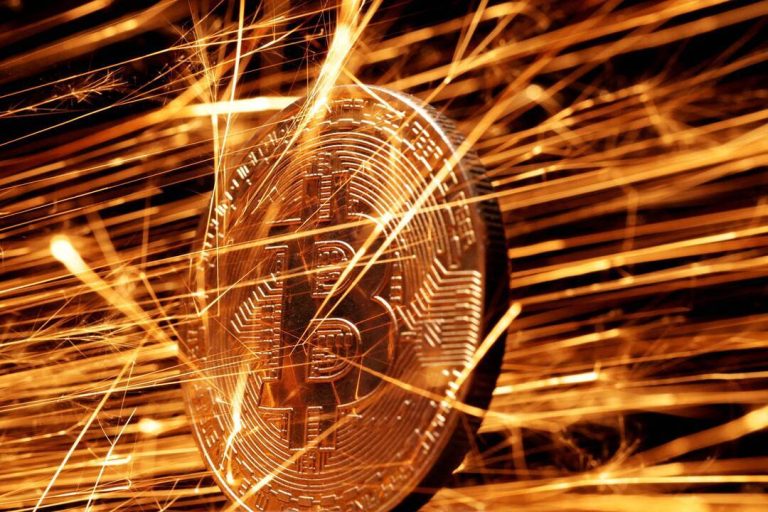
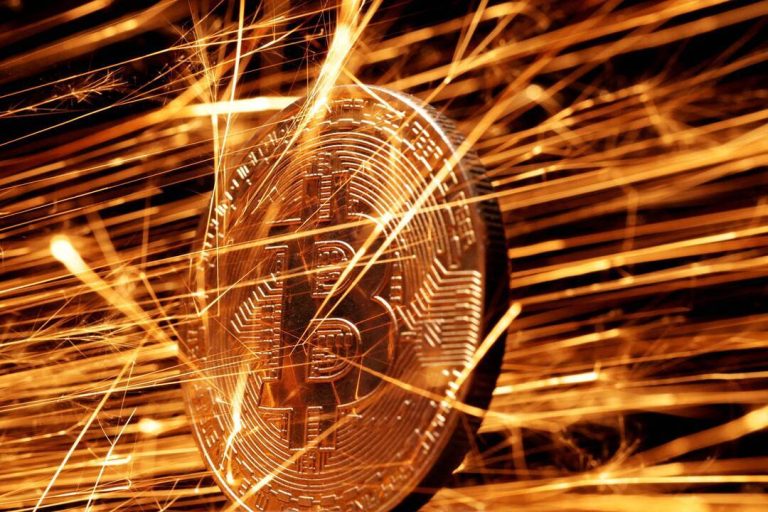
The world of cryptocurrency has been abuzz with the recent comments made by billionaire hedge fund manager Ray Dalio. According to Dalio, Bitcoin can be considered a “form of money,” but it still falls short of being as attractive as gold. This statement has sparked a heated debate among cryptocurrency enthusiasts and investors, with some agreeing with Dalio’s assessment and others strongly disagreeing.
In a recent interview, Dalio explained that while Bitcoin does possess some characteristics of money, such as being a medium of exchange and a store of value, it still has several limitations that make it less appealing than gold. One of the primary concerns Dalio has with Bitcoin is the fact that governments can monitor and interfere with transactions. This lack of anonymity and potential for government intervention makes Bitcoin a less attractive option for those looking to store value or make transactions without being tracked.
In contrast, gold has long been considered a safe-haven asset and a store of value, with a history of being used as a form of money dating back thousands of years. Gold is also highly valued for its rarity, durability, and portability, making it an attractive option for investors looking to diversify their portfolios. Additionally, gold is not subject to the same level of government oversight and regulation as Bitcoin, making it a more appealing option for those looking to maintain their financial privacy.
Another significant concern Dalio has with Bitcoin is the likelihood of central banks and other institutions holding the cryptocurrency in significant numbers. According to Dalio, there are multiple problems that make it unlikely for Bitcoin to be widely adopted by central banks and other institutions. One of the primary issues is the lack of stability and security in the Bitcoin network, which makes it difficult for institutions to trust the cryptocurrency as a store of value.
Furthermore, the lack of regulation and oversight in the cryptocurrency market makes it challenging for institutions to navigate and ensure compliance with existing laws and regulations. This lack of clarity and consistency has made it difficult for Bitcoin to gain widespread acceptance as a form of money, and it is unlikely that central banks and other institutions will hold the cryptocurrency in significant numbers until these issues are addressed.
Despite these concerns, Dalio does acknowledge that Bitcoin has the potential to be a viable form of money in the future. However, he believes that it will require significant improvements in terms of security, stability, and regulation before it can be widely adopted as a store of value and a medium of exchange. Until then, Dalio believes that gold will remain the more attractive option for investors looking to store value and diversify their portfolios.
The comments made by Dalio have sparked a lively debate among cryptocurrency enthusiasts and investors, with some arguing that Bitcoin has the potential to surpass gold as a store of value and a medium of exchange. Others have pointed out that the lack of regulation and oversight in the cryptocurrency market is a major obstacle to widespread adoption, and that Bitcoin will need to address these issues before it can be taken seriously as a form of money.
In conclusion, while Dalio’s comments may have been seen as negative by some in the cryptocurrency community, they do highlight some of the significant challenges that Bitcoin faces in terms of being widely adopted as a form of money. The lack of anonymity, potential for government intervention, and lack of stability and security in the Bitcoin network are all significant concerns that need to be addressed before Bitcoin can be taken seriously as a store of value and a medium of exchange.
Ultimately, the future of Bitcoin and other cryptocurrencies will depend on their ability to address these challenges and provide a secure, stable, and regulated platform for investors and institutions to participate in. Until then, gold will likely remain the more attractive option for those looking to store value and diversify their portfolios.
About the Author