Australia to end tariffs on all Indian exports from January: Goyal
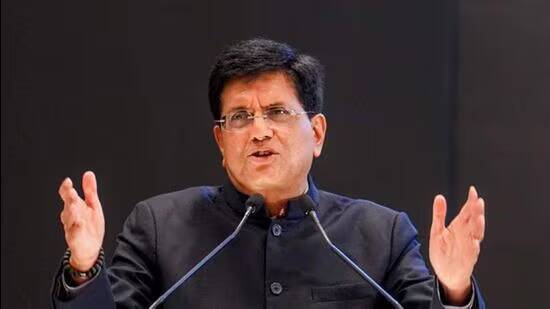
In a significant move to boost bilateral trade between India and Australia, Commerce Minister Piyush Goyal has announced that Australia will scrap tariffs on all Indian exports starting from January 1, 2026. This decision is part of the India-Australia Economic Cooperation and Trade Agreement (ECTA), which was signed three years ago. The agreement has been instrumental in promoting trade between the two nations, and the latest development is expected to further strengthen economic ties.
According to Minister Goyal, 100% of Australian tariff lines will be zero-duty for Indian exports, effective January 1, 2026. This means that Indian businesses will no longer have to pay tariffs on goods exported to Australia, making their products more competitive in the Australian market. The move is expected to benefit a wide range of Indian industries, including textiles, pharmaceuticals, and agriculture.
The India-Australia ECTA was signed on April 2, 2022, with the aim of liberalizing trade between the two countries. The agreement has delivered sustained export growth, deeper market access, and stronger supply-chain resilience, as stated by Minister Goyal. The agreement has also led to increased investment between the two nations, with Australian companies showing keen interest in investing in India’s growing economy.
The removal of tariffs on Indian exports is a significant development, as it will make Indian products more competitive in the Australian market. Indian businesses will no longer have to factor in tariffs when pricing their products, making them more attractive to Australian consumers. This is expected to lead to an increase in Indian exports to Australia, which will have a positive impact on India’s trade balance.
The India-Australia ECTA has been a game-changer for bilateral trade between the two nations. The agreement has led to a significant increase in trade volumes, with Indian exports to Australia growing substantially. The agreement has also led to increased cooperation between the two nations in areas such as education, tourism, and innovation.
Minister Goyal’s announcement has been welcomed by Indian industry leaders, who see the removal of tariffs as a major opportunity for Indian businesses to expand their exports to Australia. The move is expected to benefit small and medium-sized enterprises (SMEs) in particular, as they will no longer have to bear the burden of tariffs on their exports.
The removal of tariffs on Indian exports is also expected to have a positive impact on the Indian economy. With increased exports, Indian businesses will have more opportunities to grow and create jobs, which will contribute to the country’s economic growth. The move is also expected to attract more foreign investment into India, as international companies look to take advantage of the country’s growing economy and favorable business environment.
In conclusion, the announcement by Minister Goyal that Australia will end tariffs on all Indian exports from January 1, 2026, is a significant development that is expected to boost bilateral trade between the two nations. The move is expected to benefit Indian businesses, particularly SMEs, and will make Indian products more competitive in the Australian market. The India-Australia ECTA has been a success story, and the latest development is expected to take the economic relationship between the two nations to the next level.
As the two nations continue to work together to promote trade and investment, the removal of tariffs on Indian exports is a major step forward. Indian businesses are expected to take advantage of the new opportunities created by the agreement, and the country’s economy is expected to benefit from increased exports and foreign investment.
The future of India-Australia trade looks bright, with the two nations committed to working together to promote economic cooperation and trade. The removal of tariffs on Indian exports is a significant development, and it will be interesting to see how Indian businesses respond to the new opportunities created by the agreement.
About the Author